Featured Type 2 SPDs, RCBOs & Circuit Protection Equipment
Engineered for high-humidity tropical grid environments, extreme lightning exposure, and severe voltage fluctuations common in MEA and PEA power distribution networks.
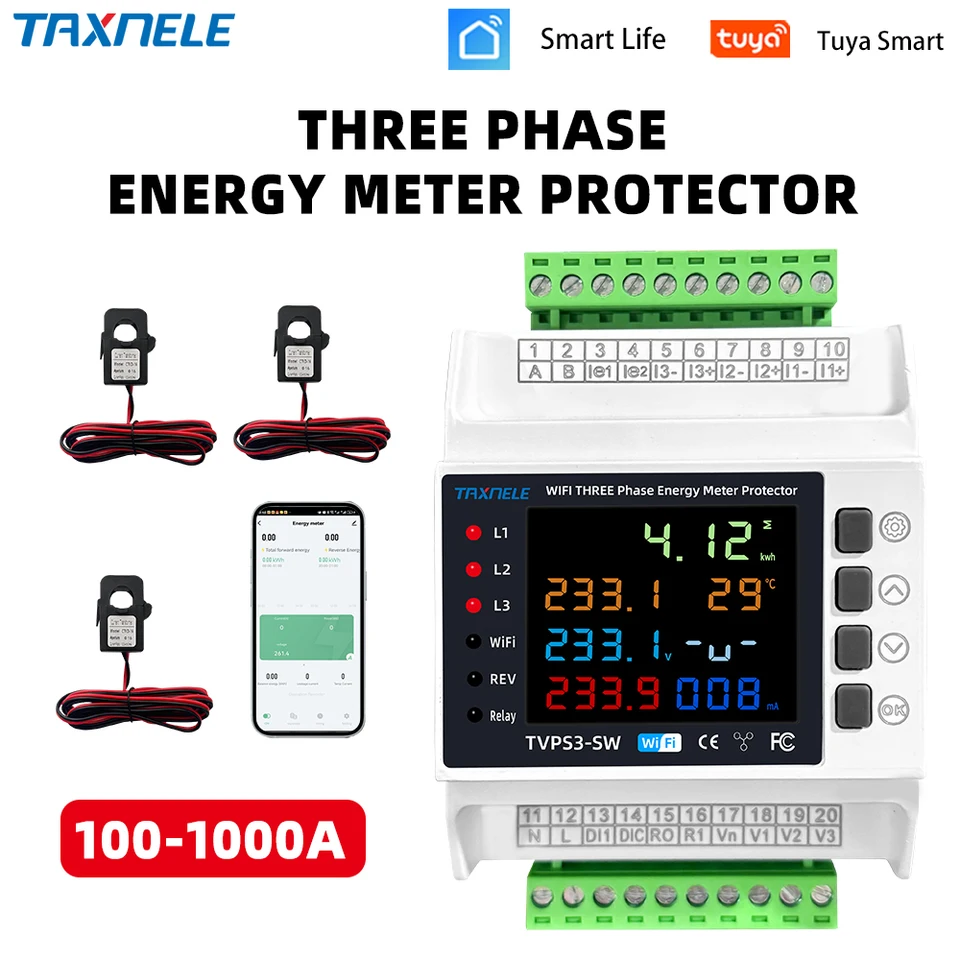
Three Phase Tuya WiFi Bi-Directional Energy Meter & Voltage Protector
- 3 CT Clamps
- Leakage Relay
- Over/Under Voltage
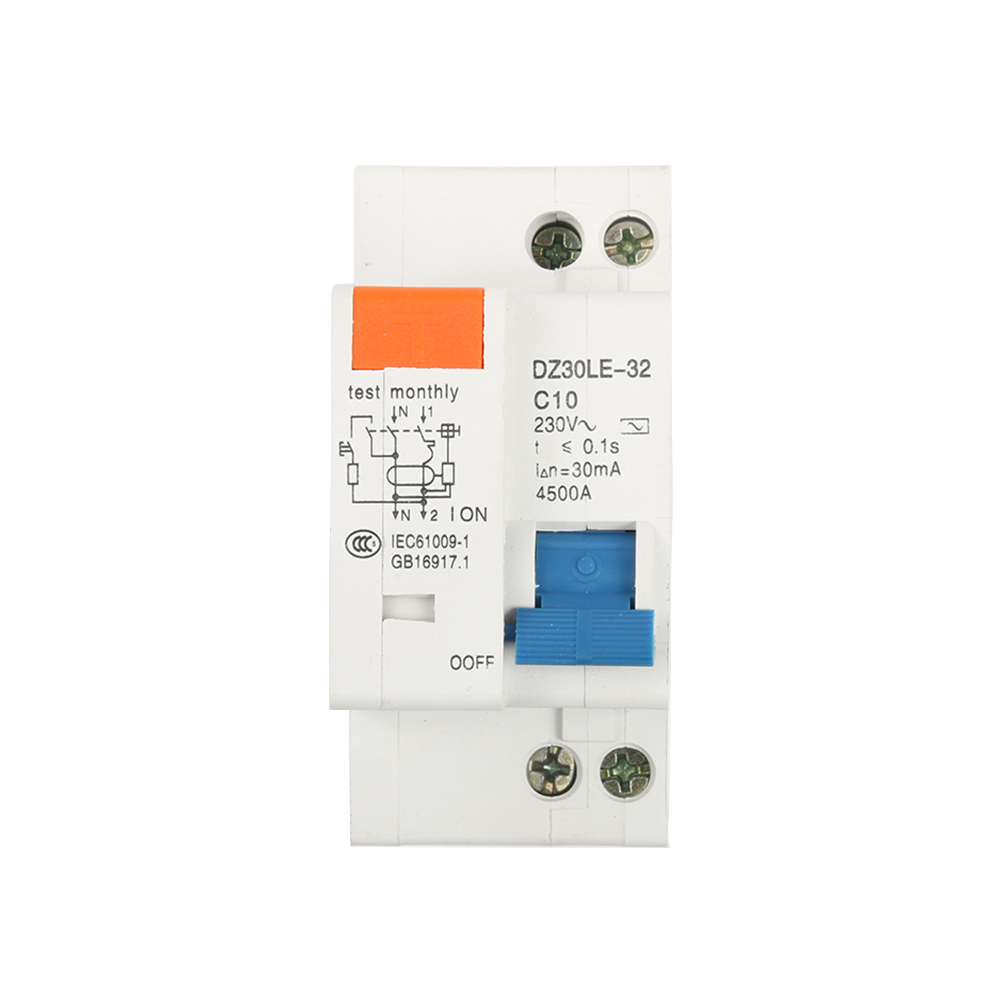
DZ30LE-32 1P+N 230V Residual Current Circuit Breaker (RCBO)
- 1P+N Compact
- 30mA Leakage
- Overcurrent Protection
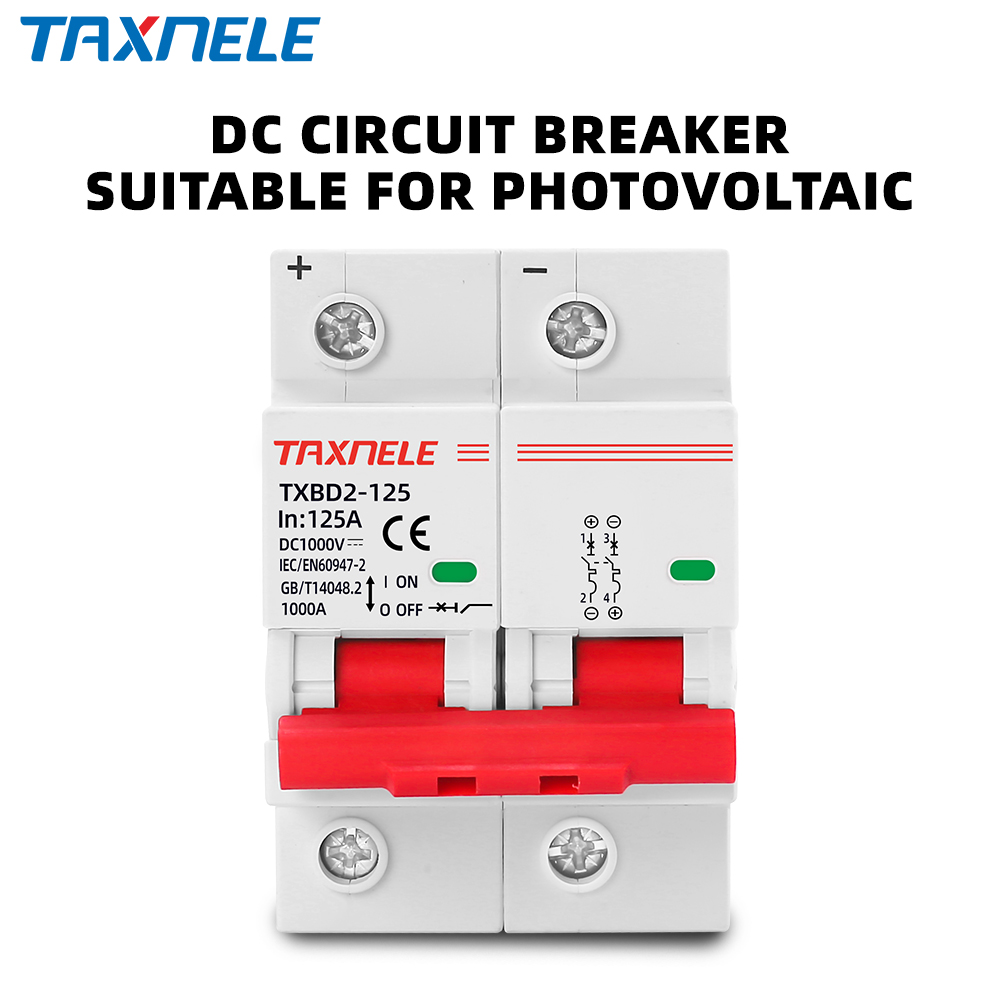
2P DC 1000V Solar PV Mini Circuit Breaker / Battery Switch
- 100A / 125A Frame
- 1000 VDC Rating
- PV Array Disconnect

Tuya WiFi Smart MCB with Over/Under Voltage & Remote Control
- App Telemetry
- Auto-Reclose
- DIN Rail Mount
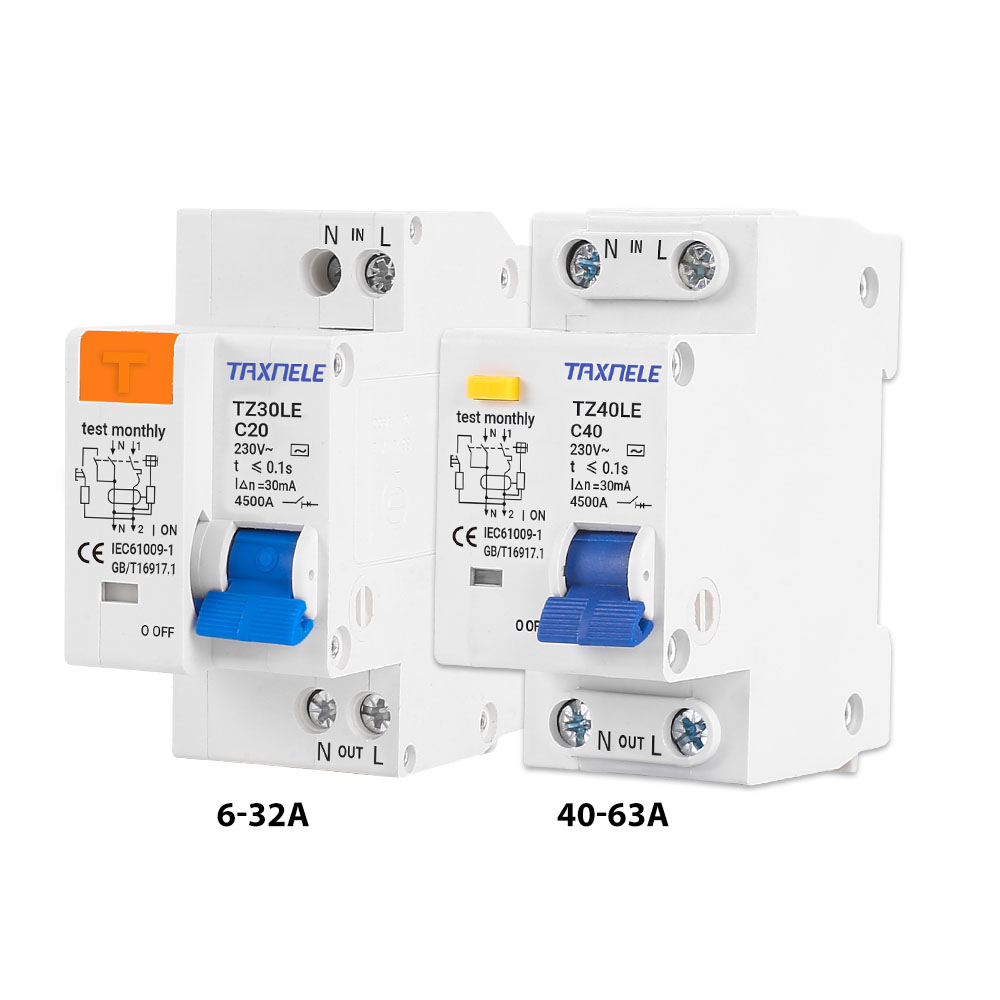
DZ30LE / DZ40LE 230V 1P+N Earth Leakage RCBO Breaker
- 32A / 63A Options
- Short Circuit Trip
- Phase+Neutral Cut
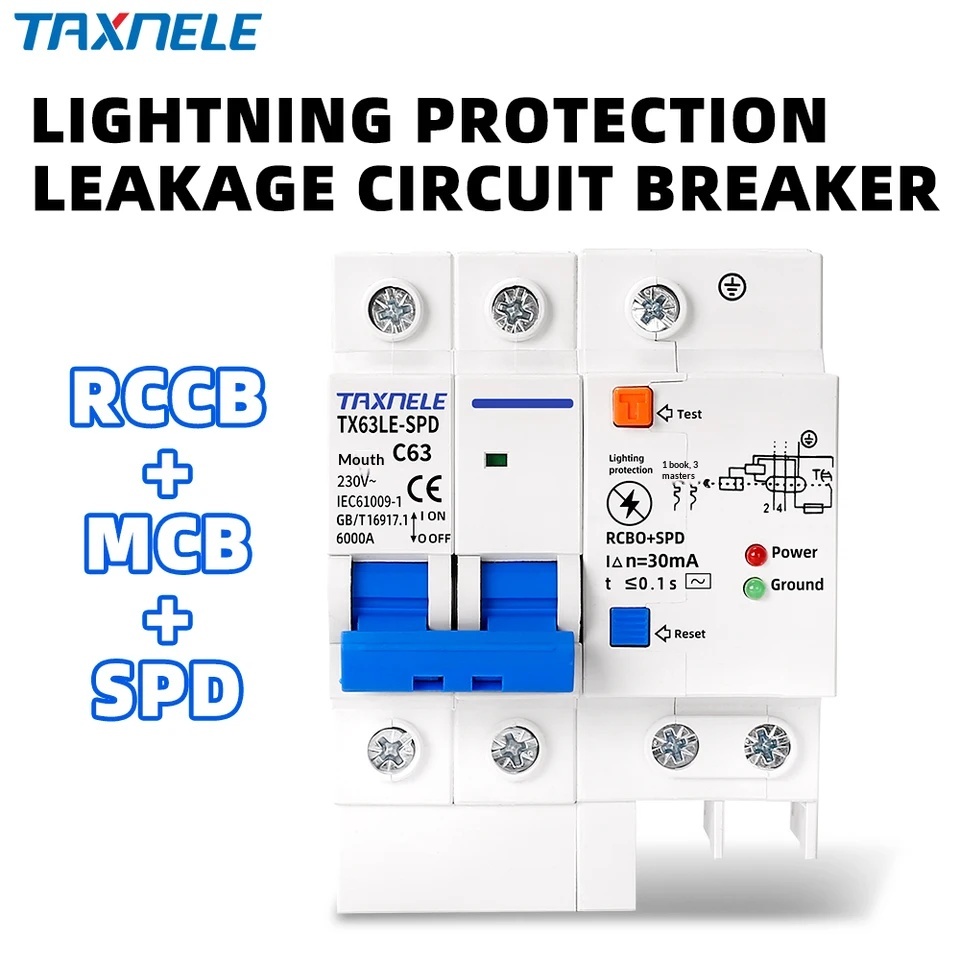
TAXNELE 220V RCBO with Integrated SPD Lightning Surge Protection
- 10A to 63A Range
- Dual Protection
- Lightning Guard
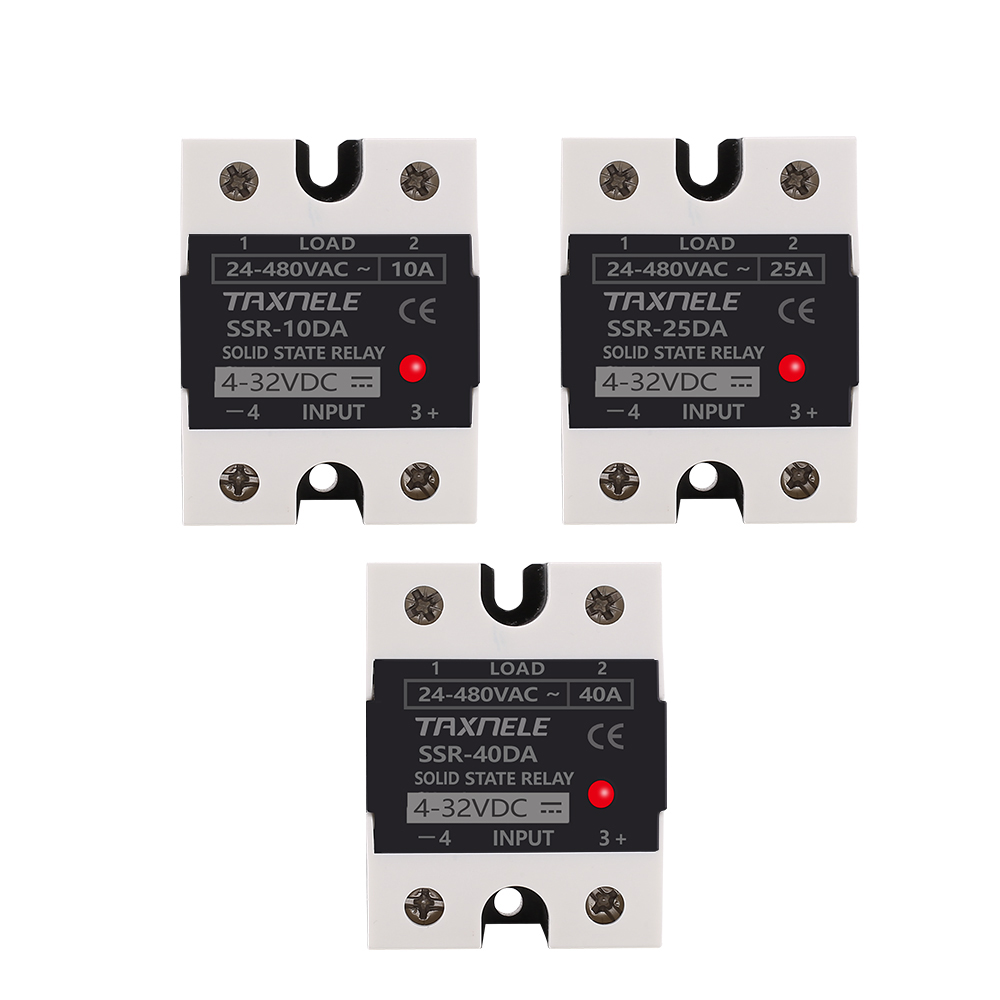
DC to AC Industrial Solid State Relay (SSR-40DA / 25DA / 10DA)
- 4-32VDC Input
- 24-480VAC Output
- Zero Cross Switching
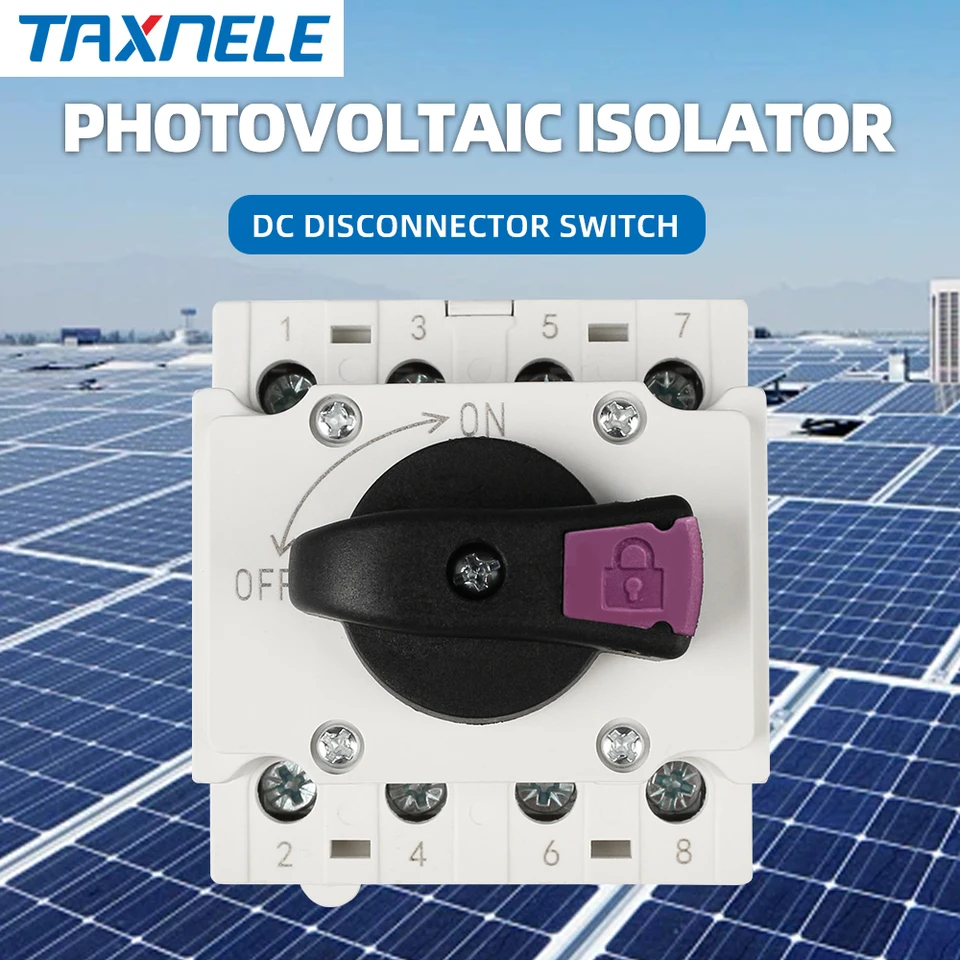
PV DC 1200V 32A Rotary Disconnector Switch DIN Rail 4P
- 1200 VDC High Volts
- IP66 Switchgear
- Rotary Lock Handle
1. Technical Deep-Dive: Type 2 Surge Protection Mechanics in Tropical Power Grids
A Type 2 Surge Protective Device (SPD), classified as a Class II arrester under IEC 61643-11 and EN 61643-11 standards, serves as the main line of defense against switching overvoltages and indirect lightning currents within low-voltage electrical distribution networks. Located primarily inside sub-distribution boards (SDBs) or main distribution boards (MDBs) downstream of Type 1 lightning arresters, Type 2 SPDs restrict transient overvoltages to a safe level ($U_p \le 1.5\text{ kV}$ to $2.0\text{ kV}$) that sensitive single-phase (220V/230V) and three-phase (380V/400V) terminal equipment can withstand.
In Southeast Asian markets—most notably Thailand—the electrical environment presents a unique combination of high annual ground flash density (often exceeding 12 to 20 strikes per km²/year in central and southern provinces), tropical humidity averaging above 80%, and frequent grid voltage sags caused by heavy industrial loads. Understanding the physical mechanics of MOV (Metal Oxide Varistor) aging, thermal runaway mitigation, and temporary overvoltage (TOV) resilience is critical for electrical engineers, panel builders, and wholesale distributors selecting SPDs for long-term field reliability.
Information Gain Technical Note: Tropical humidity drastically accelerates varistor grain boundary degradation if thermal disconnectors lack moisture-proof encapsulation. Favreau's Type 2 SPDs utilize high-energy, sealed Zinc Oxide (ZnO) varistors featuring dual-action mechanical thermal trip mechanisms to eliminate fire risks during end-of-life short-circuit conditions.
High-Energy Zinc Oxide MOV
Constructed with non-linear Metal Oxide Varistors providing fast response times (<25 nanoseconds), high nominal discharge current capacity ($I_n = 20\text{ kA}$ 8/20 µs), and maximum discharge current capacity ($I_{max} = 40\text{ kA}$ to $60\text{ kA}$).
Thermal Disconnect & Status Window
Integrated micro-soldered thermal trip mechanism ensures safe electrical isolation upon MOV breakdown. Visual status indicator transitions instantly from Green (Normal) to Red (Replace Module).
Pluggable Module Architecture
Modular DIN-rail design allows hot-swapping degraded protective cartridges without de-energizing the underlying main distribution busbar, dramatically cutting maintenance downtime for commercial facilities.
2. Localized Application Scenarios Across Thailand’s Electrical Grid
Thailand’s power grid is divided between the Metropolitan Electricity Authority (MEA)—serving Bangkok, Nonthaburi, and Samut Prakan—and the Provincial Electricity Authority (PEA)—covering the remaining 74 provinces. Both authorities enforce strict compliance criteria for protective equipment installed at service entrances and distribution boards.
A. Bangkok Metropolitan Area (MEA Grid: 230V Single-Phase / 400V Three-Phase TN-S System)
In high-density commercial towers, data centers, and luxury residential complexes across Bangkok, switching surges caused by large HVAC chillers, elevators, and variable frequency drives (VFDs) constitute over 75% of transient activity. Here, Type 2 SPDs with low voltage protection levels ($U_p \le 1.3\text{ kV}$) are mandatory downstream of main breakers to protect sensitive building automation controllers and smart metering setups.
B. Regional Industrial & Agricultural Sectors (PEA Grid: TT & TN-C-S Systems)
In rural and industrial provinces such as Rayong, Chonburi (Eastern Economic Corridor - EEC), Chiang Mai, and Songkhla, overhead distribution lines run for miles through dense vegetation and open terrain. These lines are continuously vulnerable to cloud-to-ground lightning discharge. In TT earthing systems widely deployed in PEA regions, a "3+1" circuit configuration (3 MOVs connected between Phase-to-Neutral, and 1 heavy-duty Gas Discharge Tube [GDT] between Neutral-to-Earth) is essential to prevent continuous leakage currents to ground and avoid nuisance tripping of residual current devices (RCDs/RCBOs).
C. The Thailand Solar PV Boom (Solar Rooftop & Ground-Mounted Plants)
Under the Thai Government's National Energy Plan and PEA Solar Rooftop Feed-in Tariff initiatives, residential and commercial rooftop solar installations have surged. Photovoltaic strings operating at 600V DC to 1000V DC are exposed on rooftops, acting as massive conductive antennas for atmospheric surges. Installing specialized DC Type 2 SPDs (Uc = 1000V DC / 1200V DC) inside DC combiner boxes and inverter input terminals is crucial to guard sensitive MPPT circuits against destruction.
3. Selection Matrix: Comparing Surge Protection Types for Thai Electrical Panels
| Parameter / Specification | Type 1 SPD (Class I) | Type 2 SPD (Class II) - Core Product | Type 3 SPD (Class III) |
|---|---|---|---|
| Test Waveform Profile | 10/350 µs (Direct Lightning Current) | 8/20 µs (Indirect Lightning / Switching) | 1.2/50 µs + 8/20 µs (Combination Wave) |
| Installation Location | Main Service Entrance / Main Switchboard (MSB) | Sub-Distribution Boards (SDB) / Solar Inverters | Terminal Socket Outlets / Sensitive Machinery |
| Nominal Discharge Current ($I_n$) | 25 kA – 50 kA per pole | 20 kA – 30 kA per pole | 3 kA – 5 kA per pole |
| Max Discharge Current ($I_{max}$) | N/A (Tested with $I_{imp}$) | 40 kA – 60 kA per pole | 10 kA per pole |
| Voltage Protection Level ($U_p$) | ≤ 2.5 kV | ≤ 1.5 kV – 1.8 kV | ≤ 1.0 kV |
| Thailand Earthing Compatibility | TN-C, TN-S | TN-S, TN-C-S, TT ("3+1" GDT Mode) | Point-of-Use Equipment |
4. Localized Market Trends & Engineering Standards in Thailand
PEA Smart Grid 2029 Initiative
Thailand's push toward smart grids demands IoT-enabled circuit protection. Wholesalers and contractors increasingly mandate Type 2 SPDs equipped with dry contact remote signaling auxiliary contacts ($SD$ switches) to interface directly with SCADA or Tuya/Smart Life telemetry modules.
EV Charging Hub Infrastructure Expansion
With Thailand rapidly becoming Southeast Asia's EV manufacturing hub, commercial DC fast-charging stations (100kW–360kW) along major highways require dedicated AC Type 2 SPDs ($I_{max} \ge 40\text{kA}$) and DC Type 2 SPDs to withstand repetitive impulse spikes caused by high-power switching rectifiers.
TISI & EIT Standard Harmonization
The Engineering Institute of Thailand (EIT) and the Thai Industrial Standards Institute (TISI) require low-voltage installations to comply with IEC 60364-5-534. Equipment importers must supply proven test reports verifying maximum continuous operating voltage ($U_c$) resilience up to 275V AC or 385V AC to prevent varistor breakdown during grid neutral floating events.
5. Enterprise Advantages: Why Partner with Yueqing Favreau Electric Co., Ltd.
As a leading Chinese low-voltage component manufacturer rooted in Yueqing, Wenzhou—the world capital of electrical equipment manufacturing—Yueqing Favreau Electric Co., Ltd. provides robust engineering, competitive factory-direct pricing, and flexible OEM/ODM partnerships for Thai wholesalers, distributors, and panel builders.
Verified Factory & SGS Onsite Audit
Our modern manufacturing facility operates under ISO 9001 quality management standards and has undergone complete onsite verification by SGS Group. Every batch is traceable from raw varistor discs to finished DIN-rail assemblies.
Tailored OEM / ODM Customization
We adjust voltage trip thresholds, Uc levels (275V, 320V, 385V, 420V AC / 600V, 1000V DC), custom front-panel artwork, branding, user manuals, and localized packaging for Thai electrical brands with low MOQs (starting at 10 pcs).
Certified Global Compliance
Our complete product range carries CE mark certificates, RoHS toxic material test reports, and third-party laboratory verification. Test certificates are made available prior to order confirmation.
Streamlined Logistics to Thailand
Fast ocean freight from Ningbo/Shanghai ports to Bangkok Port (Klong Toey) and Laem Chabang Port within 7–10 days. Express air shipping available for urgent sample validation and prototype projects.
6. Frequently Asked Questions (FAQ) for Thai Importers & Panel Builders
Here are detailed technical and commercial answers addressing common procurement inquiries from electrical engineering buyers across Thailand.