Featured Low-Voltage Protection & Switchgear
Verified CE & RoHS Certified Surge Arresters, Breakers, ATS, and Automation Components Sourced for Electrical Distributors, Engineering Contractors, and Panel Builders in Yangon.

1. Engineering High-Impulse Surge Protection for Yangon’s Unique Climate & Electrical Infrastructure
Yangon, as the primary commercial hub and industrial engine of Myanmar, presents one of the most demanding operational environments for low-voltage power distribution equipment in Southeast Asia. Nestled in the tropical climate of the Irrawaddy Delta, Yangon experiences intense monsoon seasons lasting from May through October, yielding over 120 to 150 active thunderstorm days annually. This intense lightning activity generates severe direct electromagnetic discharges and high-magnitude atmospheric lightning currents ($I_{imp}$) that strike overhead supply lines, high-rise commercial structures, and industrial facilities in zones like Hlaingthaya, Dagon Seikkan, and the Thilawa Special Economic Zone (SEZ).
Compounding this severe tropical weather exposure is the localized structural vulnerability of Yangon’s electrical utility grid (managed under YESC — Yangon Electricity Supply Corporation). Facilities across Yangon frequently endure severe power quality anomalies, including prolonged grid sags, high-frequency voltage spikes, rolling blackouts, and heavy inductive switching transients. When commercial complexes, textile plants, cold storage facilities, and solar rooftop installations automatically switch between the main utility supply and secondary diesel generators via Automatic Transfer Switches (ATS), high-voltage back-EMF spikes are continuously injected into main distribution boards (MDBs).
Why Standard Type 2 SPDs Fail in Primary Service Entrances in Yangon
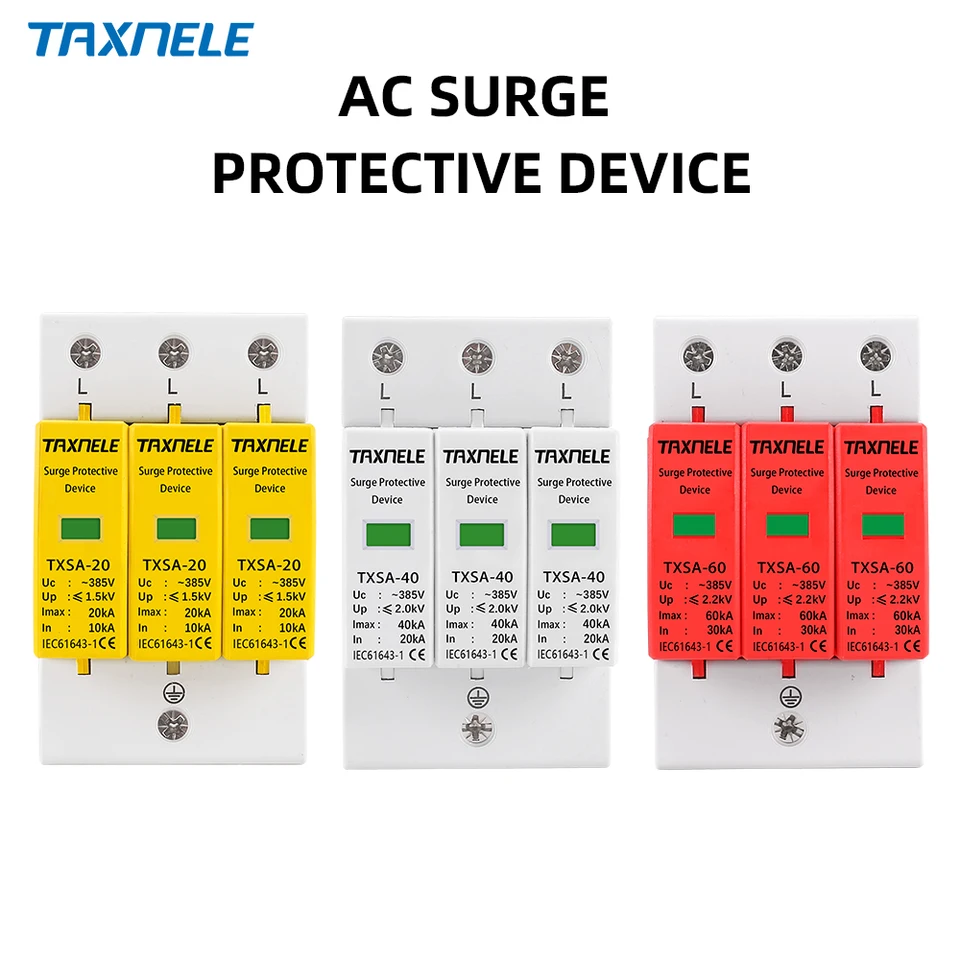
Standard Type 2 Surge Protective Devices (tested strictly with an 8/20 µs induced surge waveform) are engineered only to handle indirect lightning surges and internal switching transients. When direct lightning strikes an overhead cable or external lightning rod system near a Yangon industrial site, the energy injected follows the high-energy 10/350 µs lightning impulse waveform. A Type 2 SPD subjected to a direct 10/350 µs wave experiences immediate thermal runaway, dielectric degradation, or explosive failure. Class I / Type 1 SPDs featuring Spark Gap or heavy-duty Metal Oxide Varistor (MOV) arrays are strictly required at the main service entrance to divert high peak currents ($I_{imp}$) safely to earth ground.
As a specialized manufacturer, primary exporter, and direct B2B wholesaler, Yueqing Favreau Electric Co., Ltd. supplies robust, IEC 61643-11 certified Type 1 and combined Type 1+2 Surge Protective Devices designed specifically to withstand the voltage stress, tropical humidity, and grid unreliability characteristic of the Yangon market.
2. Physics of Lightning Arresters: Waveforms, Parameter Selection & Energy Coordination
To successfully specify surge protection equipment for Yangon’s electrical import market, engineers and procurement directors must evaluate the fundamental physical distinctions between Class I and Class II surge protective components:
10/350 µs Waveform (Type 1)
Simulates direct lightning strikes. Characterized by a rapid rise time to peak current within 10 microseconds and a long tail decaying to 50% value at 350 microseconds. Contains 10 to 20 times more electrical energy and charge ($Q$) than induced surge testing waveforms.
8/20 µs Waveform (Type 2)
Simulates indirect lightning discharges, electro-static discharges, and load-switching surges. Used to evaluate nominal discharge current ($I_n$) and maximum discharge current ($I_{max}$) for secondary sub-distribution panels (SDBs) and branch circuit protection.
Type 1+2 Combined SPDs
Integrates high impulse spark gap discharge technology with high-speed MOV clamping modules. Provides single-stage protection at main panels, reducing voltage protection level ($U_p$) below 1.5 kV while dumping up to 25kA/50kA (10/350µs) lightning currents.
Key Engineering Parameters for Yangon’s Utility Grid (230V Single-Phase / 400V Three-Phase)
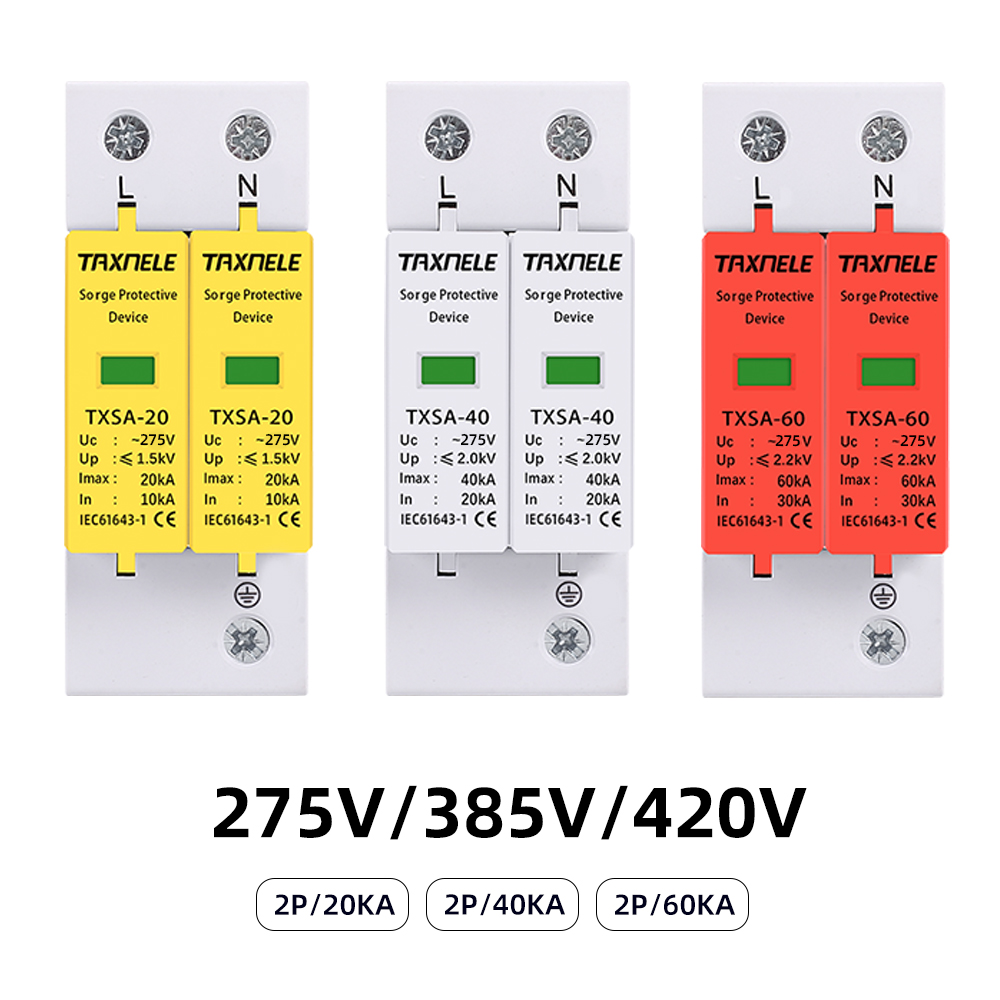
Selecting the wrong Maximum Continuous Operating Voltage ($U_c$) is the leading cause of SPD burnout in Myanmar. Due to frequent neutral point shifts and sustained over-voltages in Yangon’s distribution network, specifying a low $U_c$ (such as 275V AC for a 230V line) can result in continuous conduction during grid voltage surges.
| SPD Class | Waveform Test | Key Performance Parameter | Recommended Uc for Yangon | Ideal Installation Location |
|---|---|---|---|---|
| Type 1 (Class I) | 10/350 µs | $I_{imp}$ (Impulse Current): 12.5kA, 25kA, 50kA | 385V AC to 420V AC | Main Distribution Board (MDB) at service entrance, external air terminal down-conductors |
| Type 1+2 (Class I+II) | 10/350 µs & 8/20 µs | $I_{imp}$ 12.5kA + $I_{n}$ 30kA, $U_p$ < 1.5kV | 385V AC / 420V AC | Compact commercial panels, telecommunication base stations, rooftop solar inverter AC entry |
| Type 2 (Class II) | 8/20 µs | $I_{n}$ (20kA - 40kA), $I_{max}$ (40kA - 60kA) | 275V AC / 385V AC | Sub-Distribution Boards (SDB), control cabinets, motor control centers (MCC) |
| DC Solar SPD | Direct Current (DC) | $I_{n}$ 20kA, $I_{max}$ 40kA, $U_{cpv}$ up to 1000V DC | 600V DC / 1000V DC | PV string combiner boxes, DC side of central/string inverters, battery storage banks |
3. Localized Application Scenarios Across Yangon’s Key Economic Sectors
Yueqing Favreau Electric Co., Ltd. provides customized, high-reliability low-voltage electrical assemblies tailored to distinct installation scenarios encountered by Yangon contractors and system integrators:
A. Industrial Parks & Manufacturing Plants (Hlaingthaya & Thilawa SEZ)
Heavy manufacturing units, garment processing factories, and food production plants operating in Hlaingthaya Industrial Zone and Thilawa SEZ house sensitive automation systems, PLC units, and variable frequency drives (VFDs). Direct lightning strikes on steel-structured factories create intense ground potential rise (GPR).
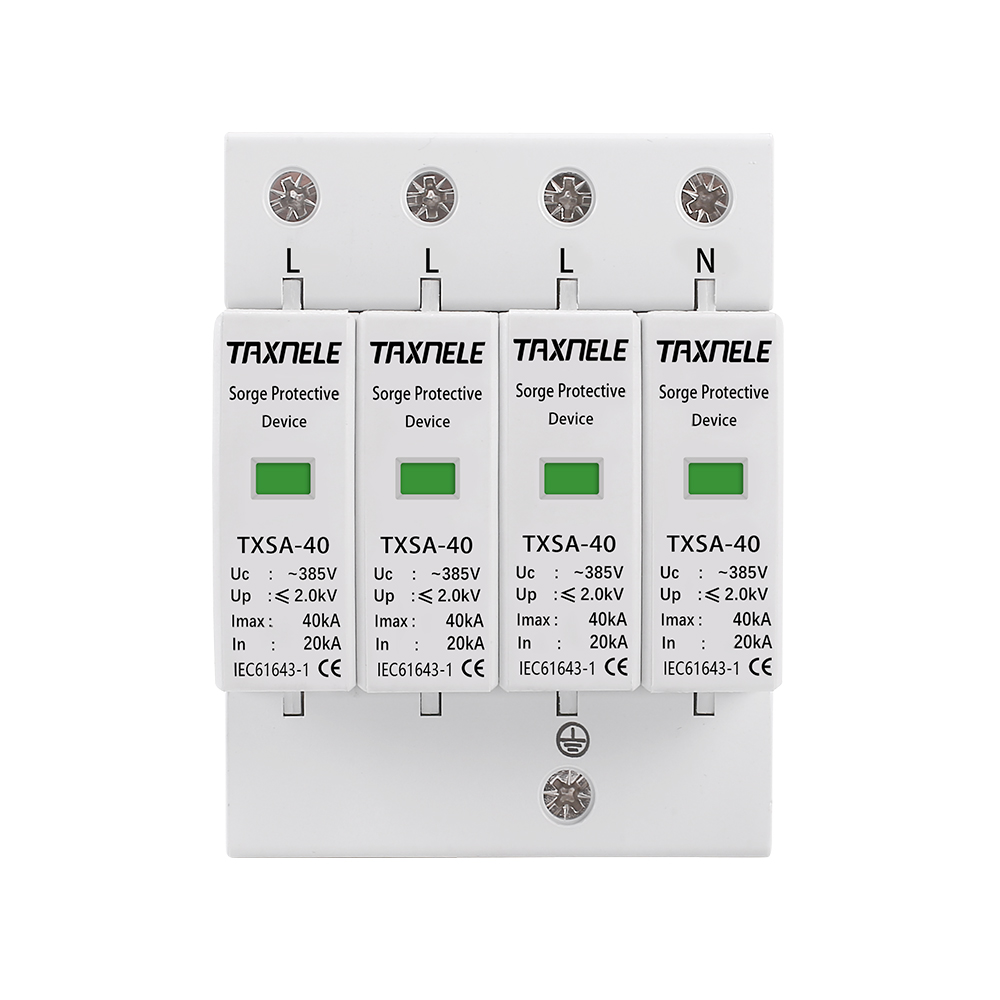
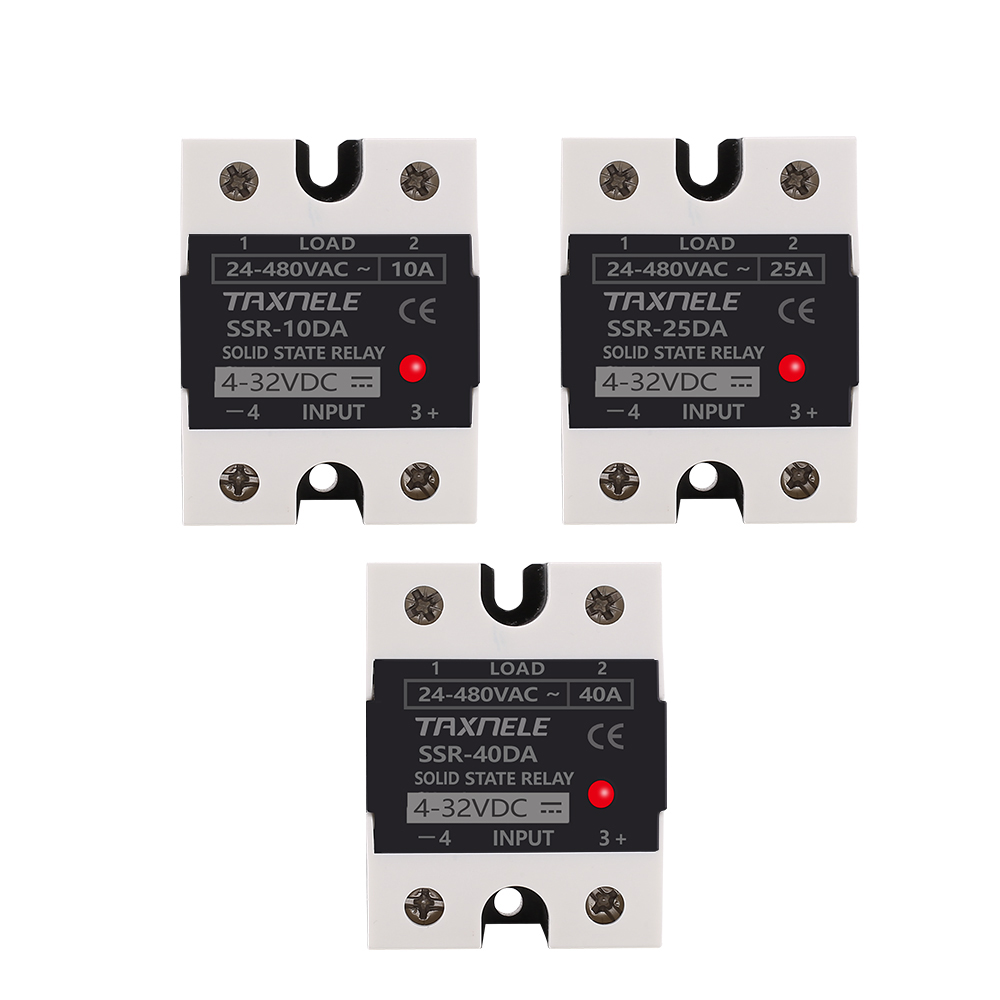
Recommended Configuration: Installation of 4-Pole (3P+N) Type 1 combined SPDs rated for $I_{imp}$ 25kA (10/350µs) per channel at the main incoming switchgear, coordinated with heavy-duty DIN-rail circuit breakers and automatic voltage protection relays to isolate equipment during phase loss or severe grid sags.
B. Commercial High-Rises & Hotel Infrastructure (Downtown & Bahan Township)
Yangon’s high-density commercial towers, luxury hotels, and medical centers in Bahan, Mayangone, and Downtown Yangon depend heavily on uninterrupted elevator operations, HVAC chillers, and data server rooms. These sites rely on dual-power utility-generator configurations.
Recommended Configuration: High-capacity 4P Din-Rail Dual Power Automatic Transfer Switches (ATS) rated from 63A up to 125A operating alongside 4P 420V AC Surge Arresters. This dual arrangement guarantees zero downtime during utility failure while filtering severe voltage spikes generated during mechanical transfer.
C. Commercial & Residential Rooftop Solar PV Systems
Driven by rising electricity tariffs and localized grid instability, commercial buildings and residential villas in Yangon are rapidly deploying rooftop Photovoltaic (PV) arrays with hybrid lithium storage. Extended outdoor solar strings mounted on metal roofs act as giant lightning collection nets.
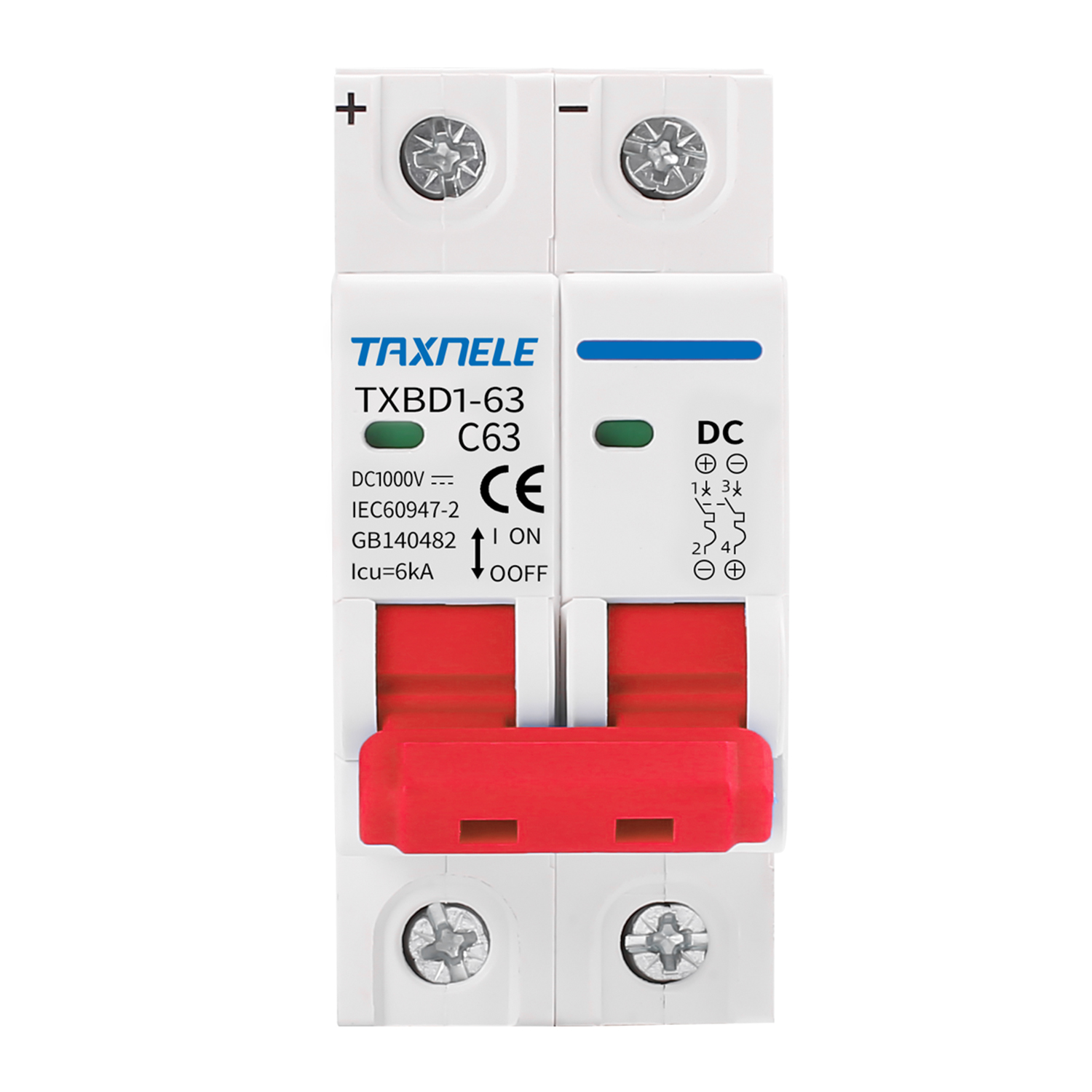
Recommended Configuration: Dedicated PV Protection Arrays comprising 2P 1000V DC Mini Circuit Breakers (MCBs) serving as solar string isolators, coupled with 1000V DC Class II Surge Protective Devices ($I_{max}$ 40kA) inside IP65 waterproof distribution boxes to protect string inverters from DC-side atmospheric over-voltages.
D. Telecommunication Towers & Remote Off-Grid Installations
Telecom towers across Yangon and outlying rural regions are often located on exposed elevated ground, fed by long overhead lines or dedicated hybrid solar/diesel systems. These un-staffed facilities require remote telemetry and high-capacity direct lightning protection.
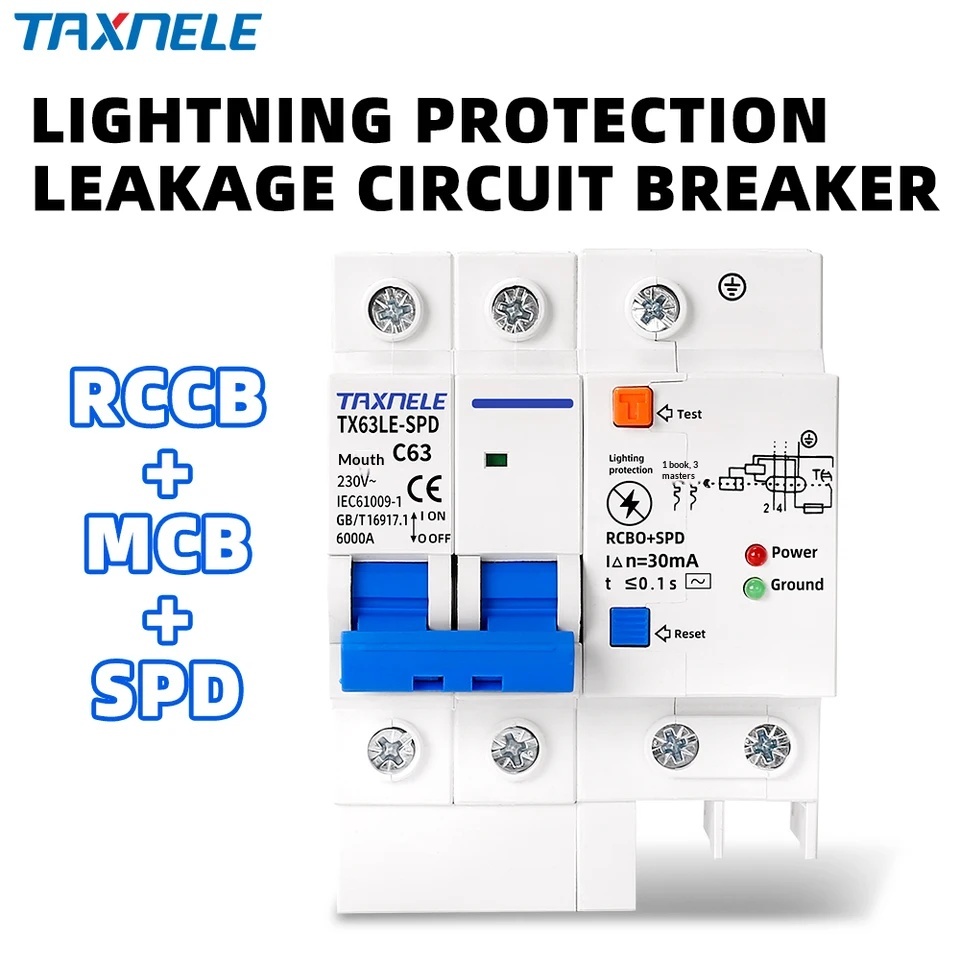
Recommended Configuration: Heavy-duty Type 1 SPDs featuring integrated dry auxiliary status contacts (NO/NC) wired directly to remote alarm systems, paired with Tuya Smart WiFi Circuit Breakers for real-time remote energy metering, leakage current detection, and automated remote breaker resetting.
4. Emerging Local Market Trends in Yangon's Electrical Sourcing Sector
Understanding local market dynamics is essential for electrical wholesalers, importers, and panel builders in Yangon who wish to maintain competitive inventory advantage. Key market shifts include:
- Rapid Adoption of Combined Type 1+2 Protection Devices: Rather than buying separate Class I spark gaps and Class II MOVs (which require minimum 10-meter decoupling wire lengths or external decoupling inductors), Yangon panel builders increasingly request space-saving, single-module DIN-rail Type 1+2 combined arresters.
- Demand for Elevated Voltage Tolerance ($U_c \ge 385\text{V AC}$): Traditional 275V AC surge protectors imported historically into Myanmar experience high failure rates due to unannounced utility grid over-voltages. Modern electrical tenders in Yangon explicitly mandate minimum continuous operating voltages of 385V to 420V AC for 230V/400V 50Hz networks.
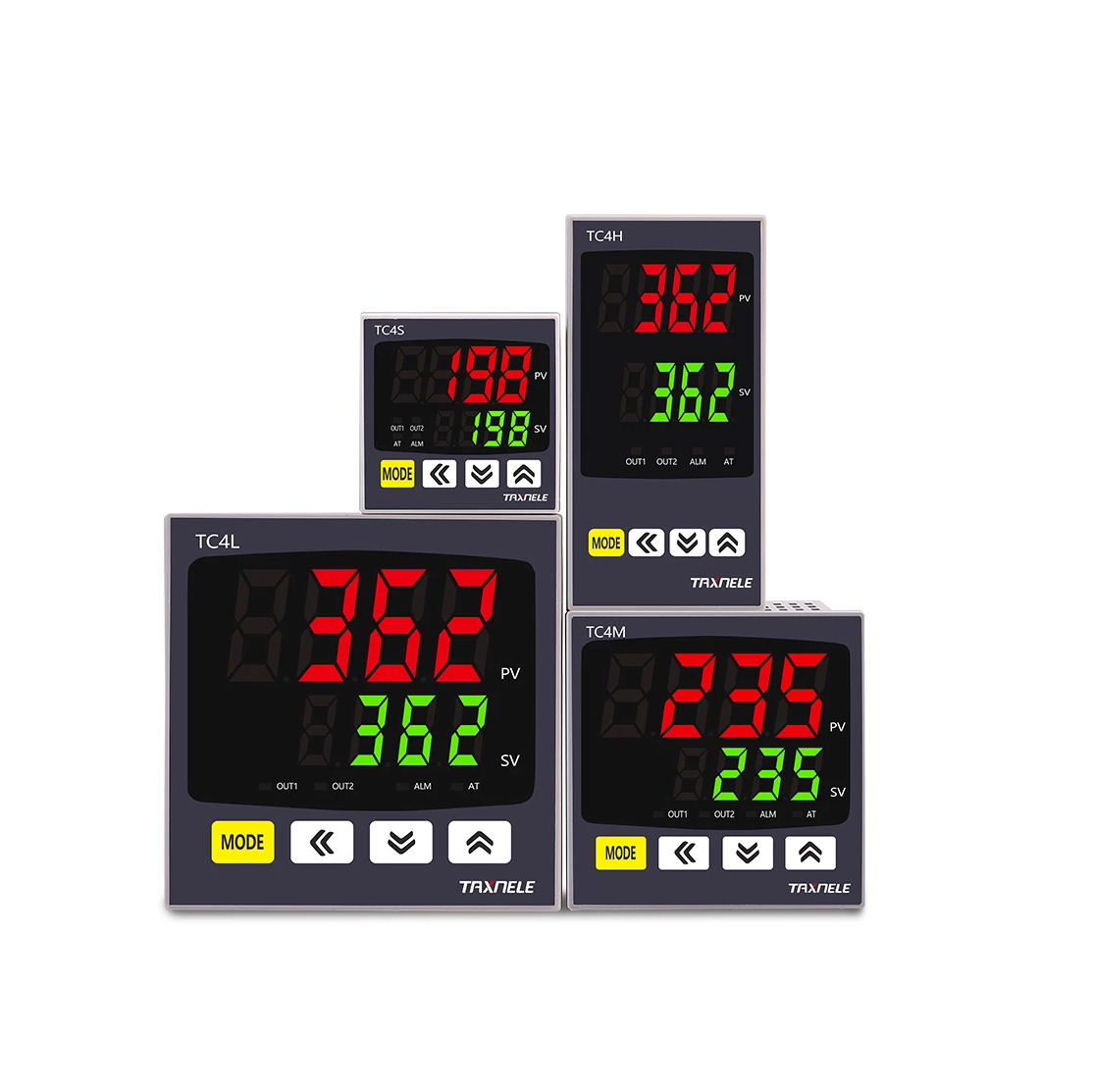
- Integration of Smart Metering & Automated Protection: Commercial landlords, sub-division developers, and industrial parks in Yangon are moving away from manual electromechanical energy meters toward DIN-rail digital kWh meters with RS485 Modbus RTU communication and WiFi smart circuit breakers to prevent electricity theft and monitor tenant load profiles remotely.
- Strict Demand for Independent Factory Audits & International Certifications: Government projects and joint-venture developments in Myanmar require comprehensive documentation, including CE test reports, RoHS compliance, ISO 9001 factory quality management certification, and third-party supplier verification reports (such as SGS factory audits).
5. Technical Step-by-Step Installation & Wiring Guide for Yangon Panel Builders
To ensure maximum surge mitigation efficiency and eliminate high residual impulse voltages, electrical technicians in Yangon must adhere to strict IEC 60364-5-53 installation rules:
- The 0.5-Meter Rule (V-Wiring Standard): The total lead length connecting the phase conductors to the SPD terminals, and from the SPD earth terminal to the Main Earthing Busbar (MEB), must strictly not exceed 0.5 meters (50 cm). Excess lead length introduces parasitic inductive reactance ($L \cdot \frac{di}{dt}$), adding thousands of peak volts to the clamping voltage level during a surge event.
- Upstream Overcurrent Backup Protection (Fusing): Surge protectors must be installed with dedicated backup circuit breakers or high-breaking capacity fuses (e.g., 32A to 63A gG fuses) to safely isolate the SPD from the busbar in the rare event of MOV thermal breakdown or end-of-life short-circuit failure.
- Low-Resistivity Earthing System Integration: In Yangon’s alluvial soils, grounding impedance must be measured annually. A primary Class I Type 1 lightning protection system requires an earth grounding resistance of less than 10 Ohms (preferably < 5 Ohms) to rapidly dissipate direct 10/350µs lightning currents without causing flashovers.
6. Frequently Asked Questions (FAQ) for Yangon Importers & Engineers
What is the key difference between Type 1 and Type 2 surge protectors for Yangon installations?
Why do surge protectors frequently burn out in Yangon, and how does Favreau solve this?
What is the Minimum Order Quantity (MOQ) for importing Favreau products to Yangon?
Can Favreau Electric support OEM private labeling and custom voltage settings for Myanmar?
What logistics shipping options and trade terms are available for delivery to Yangon Port?
Are Favreau products independently audited and certified for international engineering tenders?
7. Why Partner with Yueqing Favreau Electric Co., Ltd.?
Located in the Sulu Industrial Zone of Yueqing, Wenzhou — China's premier manufacturing center for low-voltage electrical apparatus — Yueqing Favreau Electric Co., Ltd. integrates research & development, advanced surface-mount technology (SMT) production, automated wave soldering, and rigorous quality control testing.
SGS-Assessed & ISO 9001 Certified Factory
Our production facilities, testing capabilities, and warehouse infrastructure are independently audited onsite by SGS Group. We operate documented incoming material inspection (IQC), in-process quality control (IPQC), and 100% full-functional end-of-line electrical testing.
Tailored Solutions for Unstable Power Grids
We do not merely assemble standard components; our engineering team specializes in low-voltage protection products specifically designed for emerging markets with severe lightning exposure and fluctuating grid parameters, ensuring exceptional field longevity.
Low MOQ & Fast Sourcing Turnaround
We empower regional importers, panel builders, and hardware distributors by supporting low minimum order quantities (from 10 pcs) with fast lead times, enabling lean inventory management and quick response to Yangon project tenders.
Full OEM / ODM Customization Support
From custom branding, private label pad printing, and custom box artwork to custom electrical parameters and packaging, our experienced engineering division delivers end-to-end customization according to your market's exact specifications.