Grid Dynamics & Photovoltaic Surge Vulnerabilities in Greater Tokyo
Analyzing transient atmospheric events, utility switching spikes, and JIS C 5381-11 surge protection compliance for Tokyo’s high-density urban solar installations.
The Tokyo Metropolitan Government (TMG) has established one of the world's most rigorous renewable energy frameworks, mandating solar panel installations on new residential structures and commercial developments beginning in April 2025. As rooftop Photovoltaic (PV) density accelerates across Shibuya, Shinjuku, Koto City, and industrial zones along Tokyo Bay, electrical protection engineers face unprecedented challenges regarding grid transient stability and surge mitigation.
Solar arrays inherently act as exposed outdoor antennas across urban rooftops. Atmospheric lightning discharges, even when indirect, induce lethal electromagnetic pulses (LEMP) into DC string wiring. Furthermore, Tokyo's dense electrical architecture—characterized by continuous switching operations from TEPCO Power Grid's urban sub-stations—generates frequent Switching Electromagnetic Pulses (SEMP) and transient overvoltages (TOV). Without robust Metal Oxide Varistor (MOV) and Gas Discharge Tube (GDT) surge suppression infrastructure, these transients bypass inverter front-ends, degrading sensitive Maximum Power Point Tracking (MPPT) circuitry, puncturing solid-state insulation, and triggering unexpected system downtime.
As leading OEM/ODM surge protection device (SPD) manufacturers supplying the Japanese market, engineering teams must evaluate key operational metrics including Maximum Continuous Operating Voltage (Uc), Voltage Protection Level (Up), and Nominal Discharge Current (In 8/20µs) to guarantee 25-year solar operational longevity.
Featured Circuit Protection & Solar SPD Products
Factory-direct low-voltage protection solutions manufactured under ISO 9001 quality management with full CE and RoHS certifications.
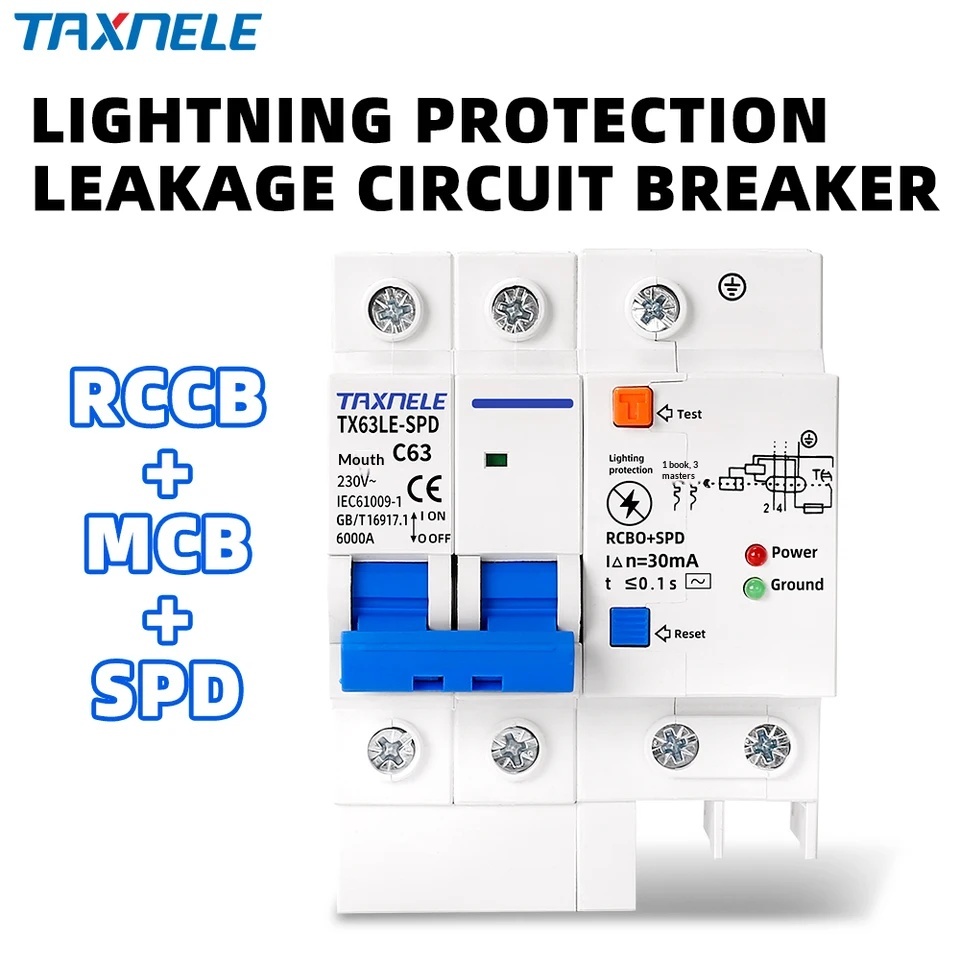
TAXNELE Residual Current Circuit Breaker 220V RCBO with SPD Lightning Protection 10A-63A

DC 1000V 2P Solar Mini Circuit Breaker Battery Switch 6A to 63A MCB Photovoltaic System
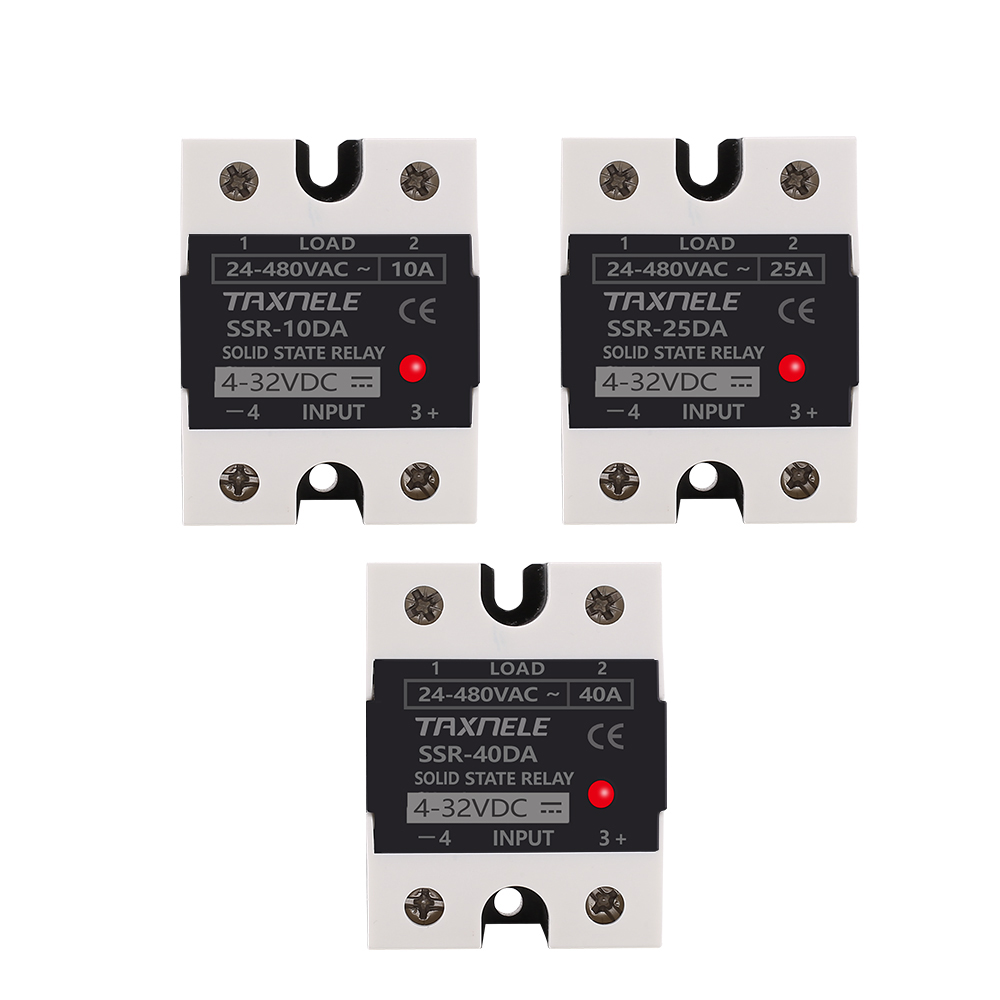
DC to AC SSR-40DA SSR 25DA 10DA Solid State Relay 4-32VDC Input 24-480VAC Output Industrial

2P AC DC Solar Mini Circuit Breaker MCB Battery Switch 6A-63A DC MCB for PV System
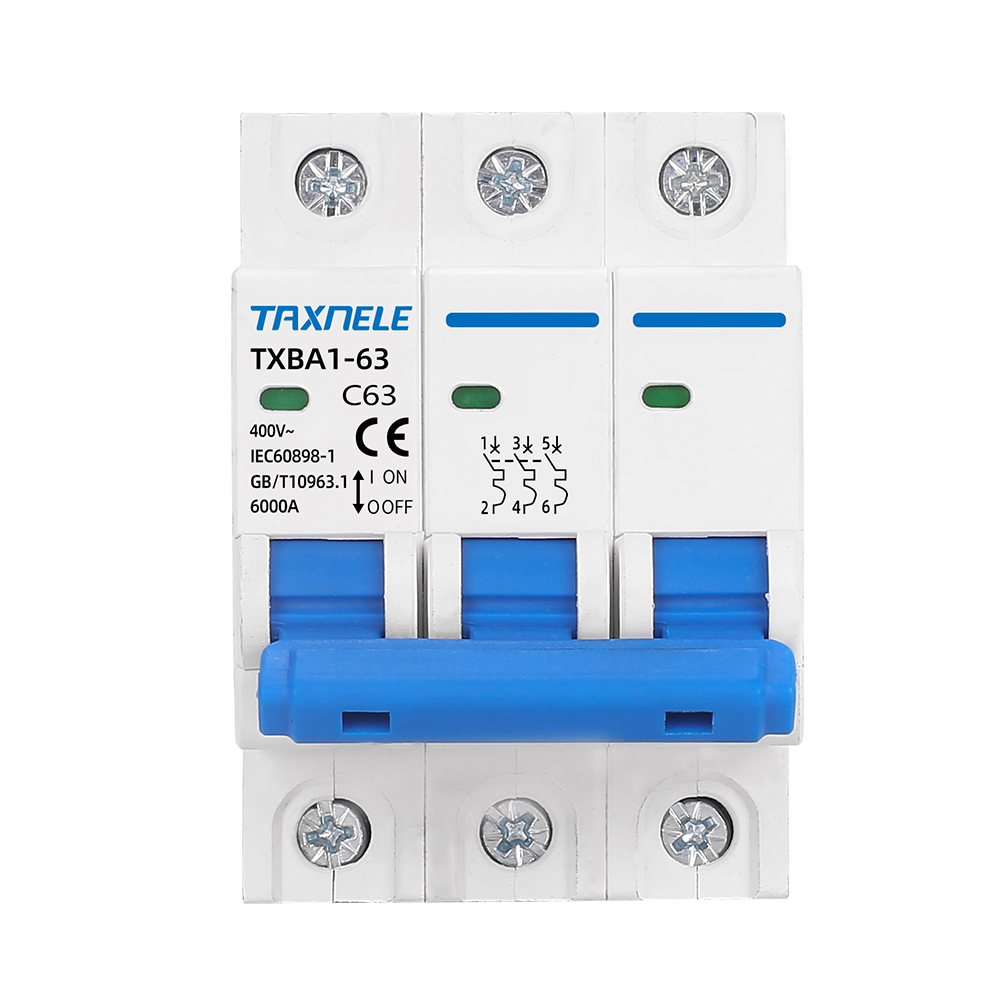
AC MCB 3P 230V 400V 6KA Mini Circuit Breaker Air Switch 6A to 63A Overload Short Circuit Protector

Tuya WiFi Smart Miniature Circuit Breaker with Over/Under Voltage Protection & Remote Control

Din Rail Mini 2P 4P ATS Dual Power Automatic Transfer Switch Uninterrupted Power 230V 80A
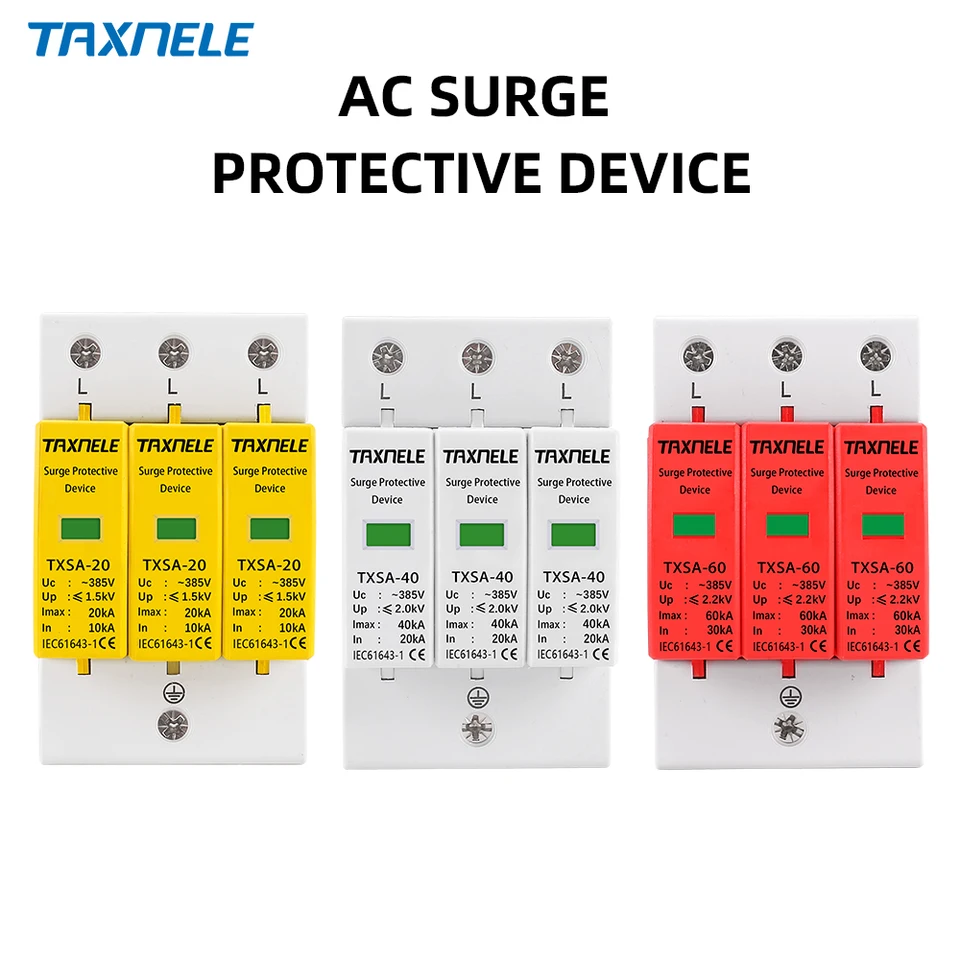
1pc Mini AC SPD 3P 3 Phase 20KA/40KA/60KA 275V-420V House Lightning Surge Protector Arrester
Engineering Standards & Technical Selection Matrix
Comparing international and Japanese industrial standards for solar PV DC surge protection and thermal disconnect design.
When engineering Solar Surge Protection Devices for procurement managers in Tokyo, adherence to Japanese Industrial Standards (JIS C 5381-11 / JIS C 5381-21) alongside global IEC 61643-31 benchmarks is essential. Solar arrays exhibit high direct-current arc risks; unlike alternating current, DC voltages lack natural zero-crossing points to extinguish sustained electrical arcs caused by MOV insulation breakdown during massive surge discharges.
To eliminate thermal runaway and potential enclosure fires in residential and commercial panel boards, state-of-the-art SPDs integrate Thermo-Dynamic Disconnect Mechanisms (TPOV) paired with rapid-arc suppression chambers. Below is an engineering comparison matrix designed for EPC procurement engineers selecting low-voltage surge components:
| Electrical Parameter | Type 1+2 Primary Combination SPD | Type 2 DC String SPD | Type 2/3 AC Output Protection |
|---|---|---|---|
| Application Location | Direct Lightning Zone (LPZ 0A to 1) / Main Inverter DC Input | Sub-combiner Boxes / DC String Isolators (LPZ 1 to 2) | AC Side of Grid-Tied Inverter / Distribution Panel |
| Target Waveform Standards | 10/350 µs (Direct Impulses) & 8/20 µs | 8/20 µs (Indirect Lightning / Switching Transients) | 8/20 µs & 1.2/50 µs Voltage Combination |
| Impulse Current (Iimp) / Imax | Iimp = 12.5kA - 25kA per module | Imax = 40kA - 60kA | Imax = 20kA - 60kA |
| Voltage Protection Level (Up) | ≤ 3.8 kV (High-energy tolerance) | ≤ 2.8 kV to 3.2 kV | ≤ 1.5 kV to 1.8 kV |
| Max DC Voltage (Ucpv) | 600 VDC / 1000 VDC / 1500 VDC | 500 VDC to 1000 VDC | 275 VAC / 385 VAC / 420 VAC |
| JIS / IEC Standard Compliance | JIS C 5381-11 / IEC 61643-31 Class I | JIS C 5381-11 / IEC 61643-31 Class II | JIS C 5381-11 / IEC 61643-11 |
Localized Solar Application Scenarios across Tokyo
Customized protection topologies tailored to Tokyo’s unique architectural layouts, coastal climate variations, and municipal microgrid mandates.
Dense Rooftop Residential PV (Setagaya, Koto, Suginami)
Compact DIN-rail 2P 1000V DC mini circuit breakers and pluggable Type 2 SPDs engineered for space-constrained residential distribution boxes. Designed to operate silently within modern Tokyo smart homes while delivering continuous overvoltage suppression for 3kW to 10kW residential solar arrays.
Commercial Bay Area Logistics Hubs (Tokyo Bay & Shinagawa)
Large-scale commercial roofs situated along Tokyo Bay experience elevated salt-fog atmospheric humidity and aggressive marine corrosion. Favreau’s IP65-rated DC combiner boxes with high surge capacity (Imax 60kA) protect multi-string 1000V DC inputs for logistics warehouses and cold-chain facilities.
Data Center & Critical Hospital Microgrids (Shinjuku & Chiyoda)
Integrating Automatic Transfer Switches (ATS) alongside 3-phase AC surge protection devices to ensure uninterrupted switching between primary TEPCO grid utility feeds, solar battery energy storage systems (BESS), and emergency diesel generators during emergency outages or seismic grid isolation.
Tokyo Photovoltaic Market & Protection Trends
Market shifts driving product design requirements for Tokyo importers, original equipment manufacturers, and system integrators.
1. Mandatory Solar Integration Driving Component Standardization
With the 2025 Tokyo mandate affecting tens of thousands of newly built residential structures annually, building engineering standards require pre-installed, maintenance-free protection modules. Pluggable cartridge SPDs with visual status indicators (Green = Normal, Red = Replace) have become mandatory across Japanese installer networks, allowing rapid non-technical maintenance checks.
2. IoT-Enabled Smart Breakers & Remote Telemetry Integration
As Tokyo transitions toward decentralized Virtual Power Plants (VPPs) and smart grids, electrical components are evolving from passive protectors to active telemetry endpoints. Smart breakers integrated with Tuya WiFi/RS485 Modbus protocols permit real-time voltage fluctuation logging, remote earth-leakage tripping, and automated surge counter alerts directly to facility management dashboards.
3. Transition to 1000V/1500V High-Efficiency DC String Designs
Commercial PV systems in Tokyo are rapidly adopting bifacial panels and high-output string inverters operating at voltages approaching 1000VDC to reduce cable copper losses. This shift necessitates DC circuit breakers and surge protection devices specifically rated for high-voltage DC extinction, ensuring no dielectric breakdown occurs during continuous full-power operation.
Why Importers in Tokyo Source from Favreau Electric
Direct manufacturer capabilities from Yueqing, China—the global epicenter of low-voltage electrical component engineering.
Yueqing Favreau Electric Co., Ltd. (located in Sulu Industrial Zone, Yueqing, Wenzhou, Zhejiang) is a specialized manufacturer and exporter of low-voltage electrical protection, switching, and metering automation products. Serving global B2B distributors, brand owners, and solar EPC contractors, Favreau integrates complete in-house production lines featuring automatic Surface Mount Technology (SMT), automated wave-soldering, and multi-function electrical safety test stations.
Operating under ISO 9001 quality system management, our factory delivers strict batch-to-batch consistency. Whether you require private-label brand printing, custom front-panel artwork, tailored trip curve adjustments for Japanese 50Hz/60Hz grid conditions, or specialized retail packaging, Favreau provides end-to-end OEM/ODM support with flexible trial order quantities starting from just 10 pieces per model.
Frequently Asked Questions for Tokyo B2B Procurement
Addressing key technical standards, customs clearance, and product selection parameters for Japanese buyers.
What is the minimum order quantity (MOQ) for custom OEM solar SPDs and DC breakers?
Do Favreau Electric products meet Japanese electrical installation and safety standards?
How do I select the correct DC surge protector rating for a 1000V DC rooftop solar array in Tokyo?
Has the factory been independently inspected and audited by third-party testing agencies?
What delivery terms and shipping times are available for dispatch to Tokyo Port or Narita Airport?
What is the failure indicator and remote alarm function on Favreau SPDs?
Partner with a Direct Manufacturer for Solar Surge Protection
Need custom datasheets, wholesale price schedules, or OEM private-label branding for your Tokyo solar engineering project? Speak directly with our application engineers today.
Inquire Now