Industrial Circuit Protection & Solar Distribution Portfolio
Explore our core export-grade low-voltage protective gear, engineered for high reliability under stringent grid conditions.

Technical Executive Summary: Solar photovoltaic installations in the Chubu region—centered around Nagoya, Aichi Prefecture—operate under demanding environmental and regulatory parameters. Direct-current (DC) string protection requires specialized gPV class fuse links capable of clearing low-magnitude fault currents unique to solar arrays while enduring thermal cycling, high relative humidity, and coastal atmospheric salinity. This technical overview outlines the engineering specifications, localized deployment requirements, and procurement guidelines for PV fuse link supply chains serving Nagoya’s industrial solar market.
1. Engineering Physics of Photovoltaic Fuse Links (gPV Class)
In standard alternating-current (AC) distribution circuits, overcurrent protective devices rely on periodic zero-crossing points in the voltage waveform to extinguish electrical arcs during fault isolation. In contrast, solar photovoltaic systems generate continuous direct current. When a short-circuit, reverse current, or ground fault occurs within a solar array string, breaking the DC arc requires an electrical fuse designed specifically for high DC interrupting capacity and fast-acting thermal response.
Photovoltaic fuse links engineered under the IEC 60269-6 and UL 248-19 standards are designated as gPV class. Unlike general-purpose industrial fuses (gG/gL) or motor protection fuses (aM), gPV fuse links are tailored to clear low overcurrent faults starting as low as 1.35 to 1.45 times the fuse's rated nominal current ($I_n$). This capability is vital because solar PV modules exhibit limited short-circuit current ($I_{sc}$), rarely exceeding 1.2 to 1.5 times their maximum power current ($I_{mp}$) even during direct dead-short events.
Arc Quenching Media
Utilizes ultra-pure, high-grade silica quartz sand sealed in high-strength ceramic bodies to rapidly absorb thermal energy and extinguish 1000V/1500V DC arcs during string isolation.
Thermal Cycle Durability
Features micro-engineered silver element restriction notches that resist thermal fatigue caused by diurnal solar irradiance fluctuations in Central Japan.
Minimal Power Dissipation
Optimized internal resistance lowers watt-loss ($P_n$), preventing internal heat buildup inside sealed IP65/IP67 combiner boxes in high-ambient Nagoya summers.
2. Localized Solar Application Scenarios in Nagoya & Aichi Prefecture
Nagoya is the industrial heartland of Japan’s Chubu economic zone, characterized by expansive automotive manufacturing plants, logistics hubs along Nagoya Port, and hilly inland solar parks across Aichi and Gifu Prefectures. Supplying PV fuse links to solar EPCs, panel integrators, and OEM combiner box manufacturers in Nagoya requires addressing specific regional operating environments:
A. Industrial & Commercial Rooftop PV (Automotive & Logistics Hubs)
Large-scale factory roofs across the Minato, Kitanoya, and Komaki industrial districts host megawatt-class self-consumption solar arrays. These rooftop systems utilize multi-string inverters and array combiner boxes operating at 1000V DC. Fuse links installed here must feature compact 10x38mm or 14x51mm form factors with touch-safe DIN-rail fuse holders (such as 1P/2P 1000V DC fuse bases) that integrate seamlessly into space-constrained distribution boards.
B. Coastal & Port-Adjacent Utility Installations (Port of Nagoya & Ise Bay)
Solar arrays deployed near coastal environments face high atmospheric salinity and moisture. Standard brass or un-plated copper contacts in fuse links can suffer from galvanic corrosion, increasing contact resistance and causing nuisance tripping. Export-grade PV fuse links destined for Nagoya contractors incorporate silver-plated electrolytic copper contacts and high-density melamine or alumina ceramic bodies that prevent tracking currents under high-humidity conditions.
C. Microgrids & BESS Integration (Disaster-Resilient Infrastructure)
In alignment with Nagoya City's regional energy resilience plans, commercial facilities are increasingly combining solar PV with Battery Energy Storage Systems (BESS). High-capacity DC fuse links (up to 1500V DC, 125A to 250A in NH/blade form factors) are crucial for isolating lithium-ion battery racks and high-voltage DC buses from overcurrent feedback during emergency grid-islanding scenarios.
3. Localized Solar Industry Development Trends in Central Japan
The solar market in Nagoya and the surrounding Tokai region is experiencing key technological shifts that shape B2B procurement requirements:
- Transition from 1000V to 1500V DC Systems: Commercial and utility-scale projects are rapidly moving to 1500V DC system voltages to reduce balance-of-system (BOS) wiring costs and increase inverter power density. Fuse links must provide verified $I_{cu}$ breaking capacities up to 50kA at 1500V DC.
- Strict Grid Connection & Safety Compliance (METI & JIS Guidelines): Japan’s Ministry of Economy, Trade and Industry (METI) enforces rigorous safety requirements for grid-connected PV systems. Components must comply with JIS C 8513 and international IEC standards. Suppliers must provide complete type-test reports for temperature rise, breaking capacity, and $I^2t$ let-through energy.
- High Temperature Derating Requirements: Summer ambient temperatures in Nagoya often exceed 35°C, with enclosure internal temperatures exceeding 60°C. Engineers require precise ambient temperature derating charts to prevent false blowing of string fuses under peak irradiation hours.
4. Engineering Comparison: gPV Fuse Links vs. Standard Circuit Protection
Selecting the correct protection topology is vital for system safety and lifetime ROI. The table below compares gPV fuse links with traditional AC fuses and standard DC miniature circuit breakers (MCBs) in solar array applications.
| Protection Parameter | Dedicated gPV Fuse Link (IEC 60269-6) | Standard AC Industrial Fuse (gG/gL) | DC Miniature Circuit Breaker (MCB) |
|---|---|---|---|
| Rated Voltage Spectrum | Up to 1000V DC / 1500V DC | Typically 400V - 690V AC Only | Up to 1000V DC (2P/4P Series) |
| Min. Tripping Current ($I_{mdf}$) | 1.35 - 1.45 $\times I_n$ (Fast Low-Fault Response) | 1.6 - 2.1 $\times I_n$ (Too slow for PV) | 1.4 - 2.0 $\times I_n$ (Magnetic / Thermal) |
| DC Breaking Capacity ($I_{cu}$) | 20kA to 50kA at 1000V/1500V DC | Unrated or < 5kA DC (Arc Risk) | 6kA to 10kA (Requires multi-pole series) |
| Thermal Cycling Fatigue | Extremely High (Silver element design) | Low (Copper/Tin elements fatigue) | Moderate (Mechanical wear over time) |
| Footprint & Cost / String | Very Compact (10x38mm), Low Unit Cost | Compact, but unsafe for DC PV | Larger DIN footprint, Higher Cost |
5. Corporate Advantages: Why Nagoya Importers Partner with Favreau Electric
Yueqing Favreau Electric Co., Ltd. (operating under the brand Favreau) is a specialized manufacturer and exporter of low-voltage protection, switching, and submetering hardware located in the Sulu Industrial Zone, Yueqing, Wenzhou—China's premier electrical manufacturing hub. We provide Nagoya solar distributors, panel builders, and electrical wholesalers with direct access to factory-grade components backed by rigorous quality assurance.
Verified Manufacturing Capabilities
Our premises and production line are independently assessed onsite by SGS Group. Equipped with automatic surface-mount technology (SMT), wave soldering, and multi-parameter high-voltage DC test benches, we ensure 100% functional inspection of every batch.
International Compliance & Certification
All protective components carry full CE and RoHS certifications, manufactured under an ISO 9001 certified quality management matrix. Verified test certificates are supplied with all technical submittals.
Flexible OEM/ODM & Low MOQ
We lower the barrier for regional Japanese distributors and system integrators. With minimum order quantities starting at just 10 pieces for standard protection units (and 2 pieces for panel meters), we accommodate custom private-label printing, customer-specified trip curves, and bespoke packaging.
Complete Array Protection Ecosystem
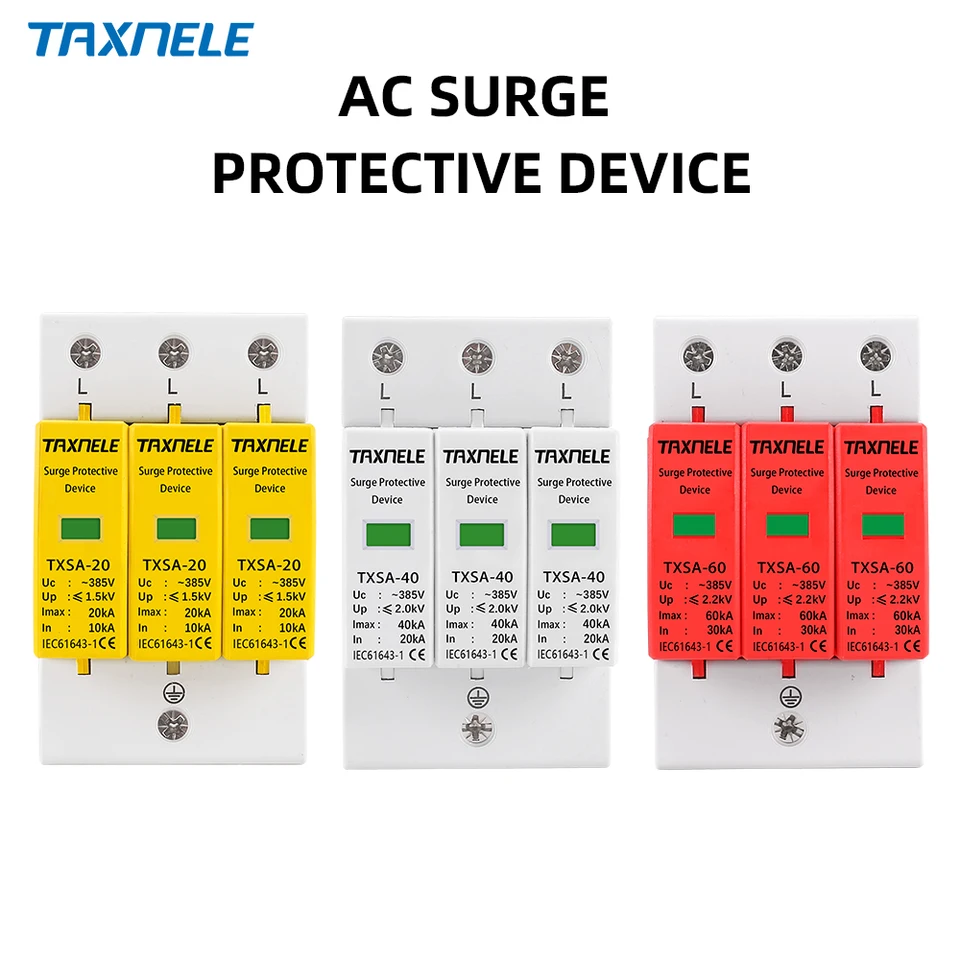
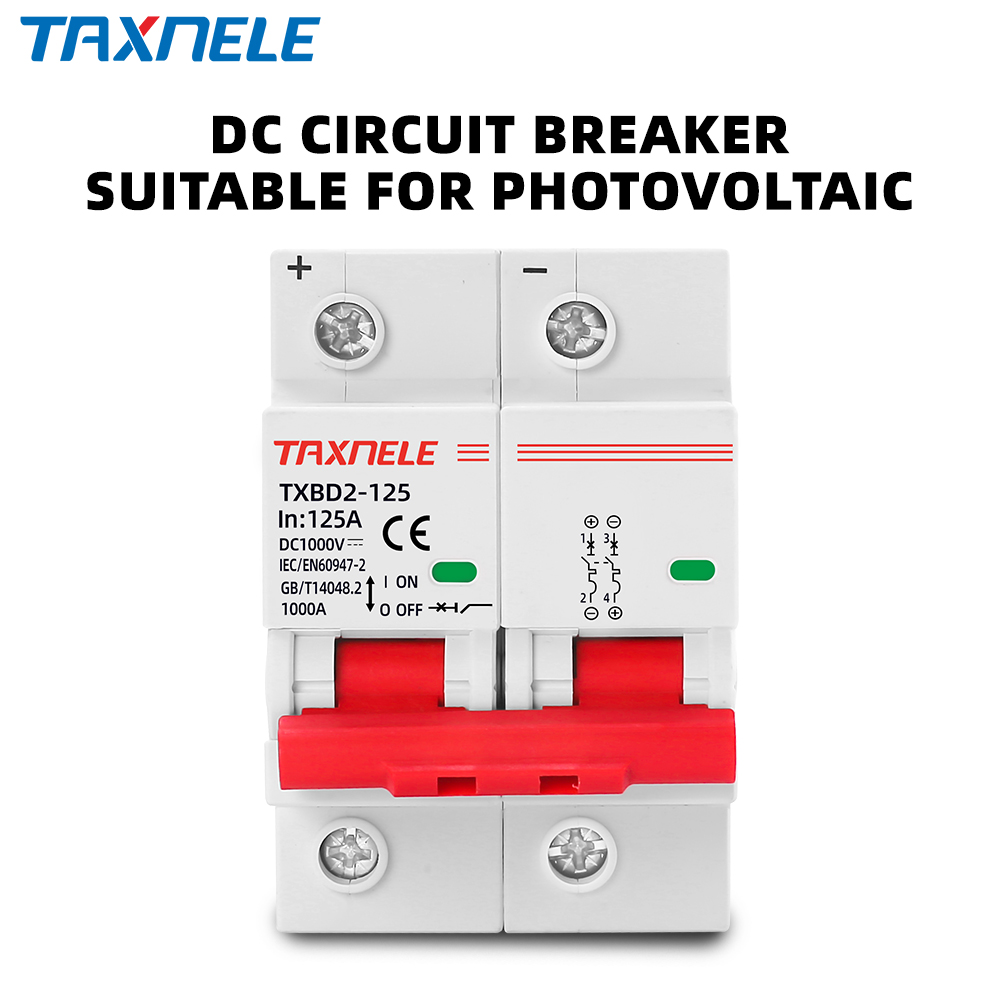
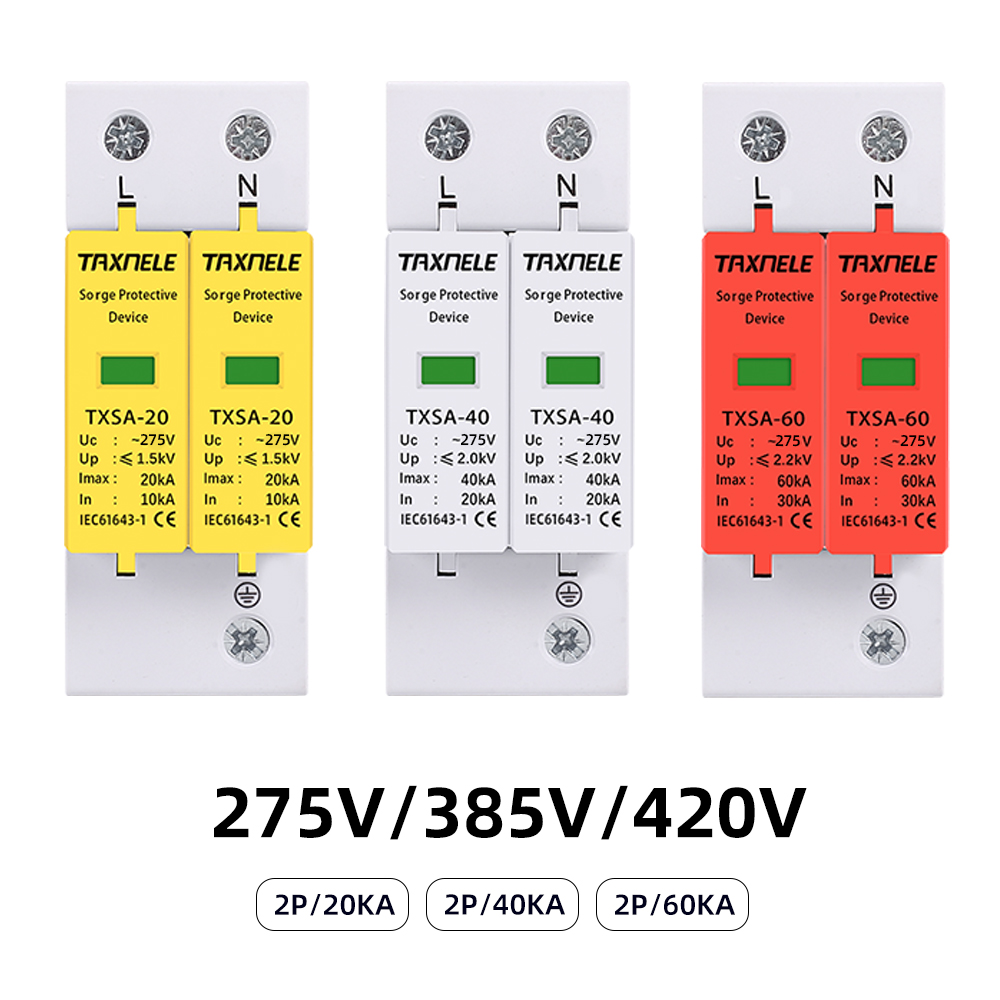
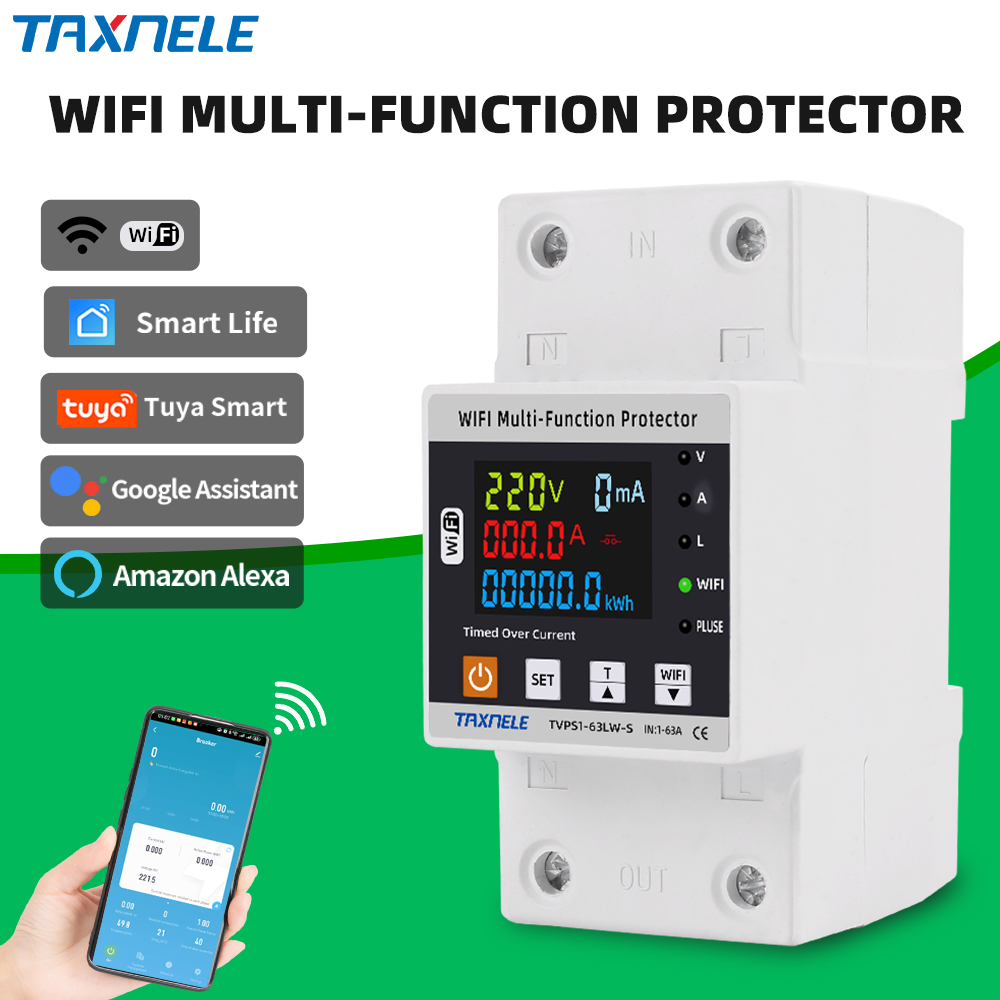
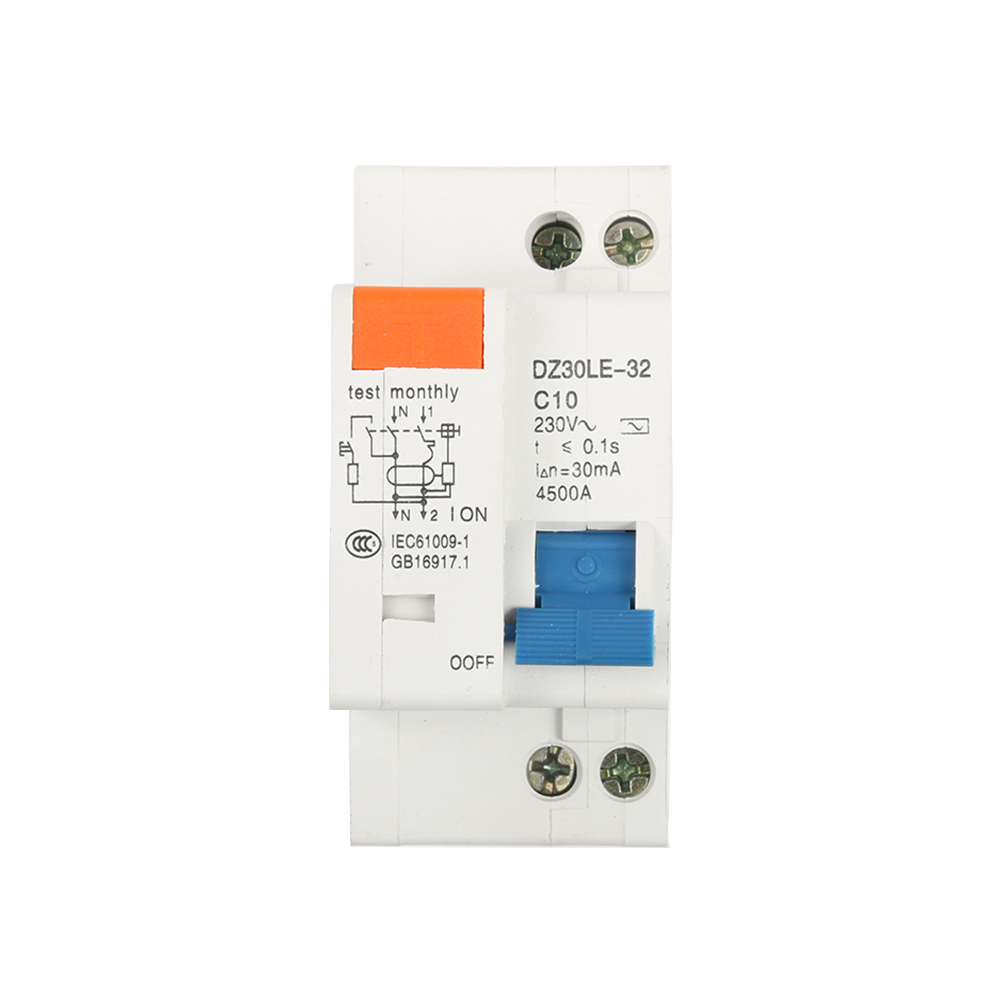
Beyond gPV fuse links and DIN-rail fuse holders, Favreau manufactures a complete DC/AC protection chain, including 1000V DC MCBs, 20-60kA PV Surge Protective Devices (SPDs), Automatic Transfer Switches (ATS), and Smart WiFi Energy Meters.
6. Frequently Asked Questions (FAQ) for Nagoya Procurement Engineers
How do I calculate the correct current rating ($I_n$) for string PV fuse links?
Can Favreau supply gPV fuse links for 1500V DC utility solar projects in Japan?
What temperature derating factor should be applied for installations in Nagoya?
What is the typical lead time and shipping method for orders sent to Nagoya Port or Chubu Centrair?
Do your DC products support private label OEM printing for Japanese brands?
Request Complete Product Datasheets & B2B Pricing
Partner with a verified Chinese electrical manufacturer trusted by global solar distributors. Get immediate access to our technical catalog, ISO/CE certificates, and factory-direct pricing for Nagoya imports.
Get Catalog