Engineered Low-Voltage Protection Line
Explore our core certified distribution protection components, manufactured under ISO 9001 and rigorously tested for global export markets.
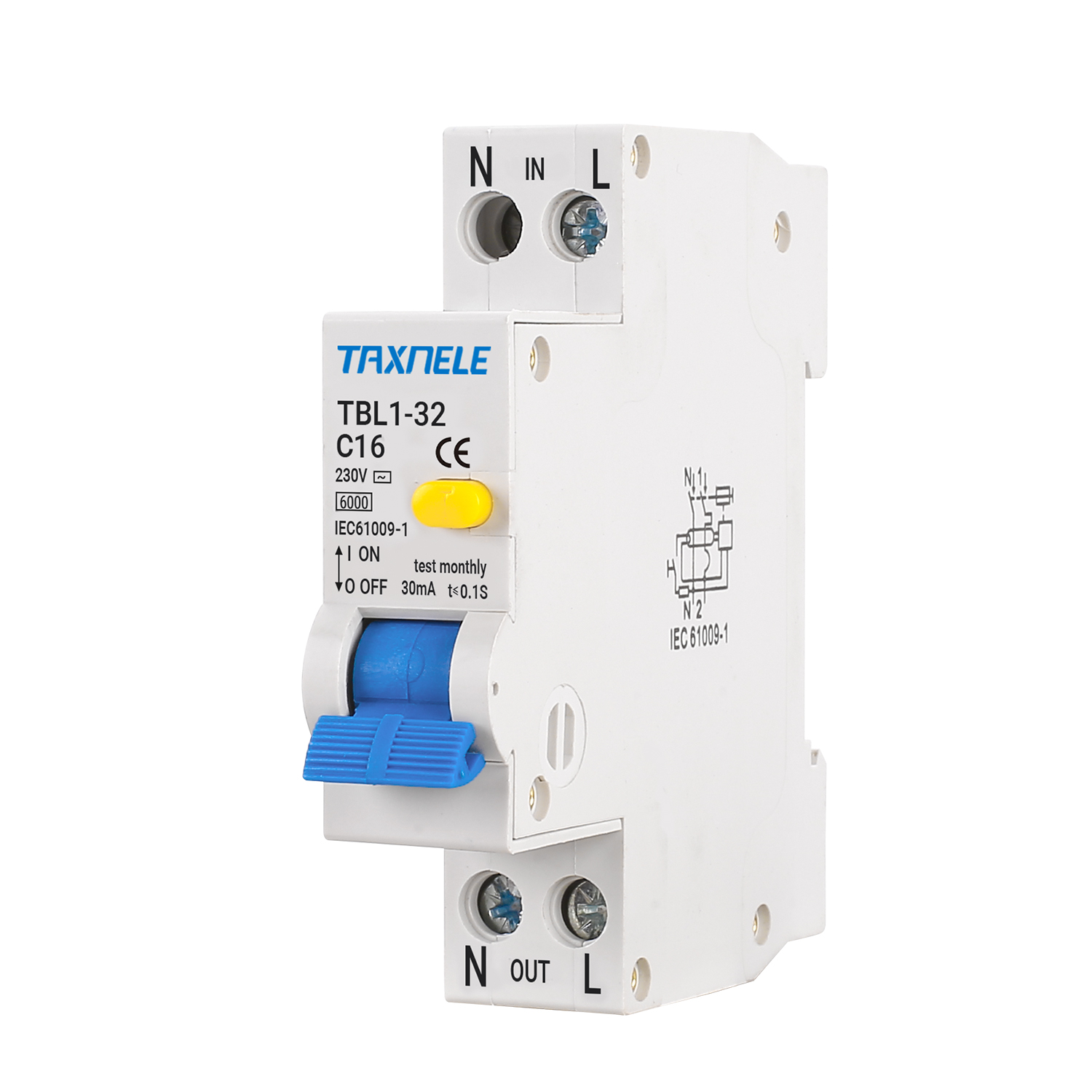
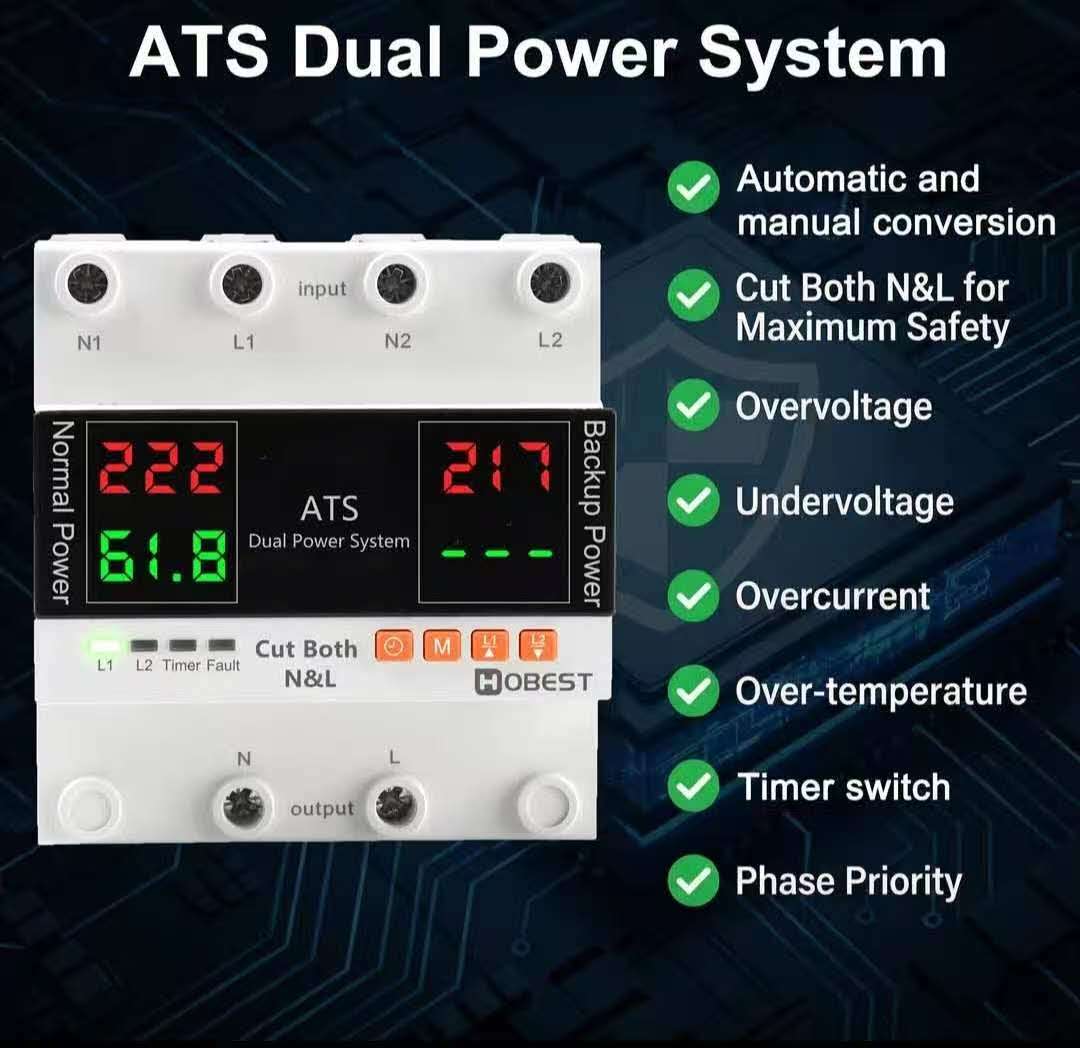

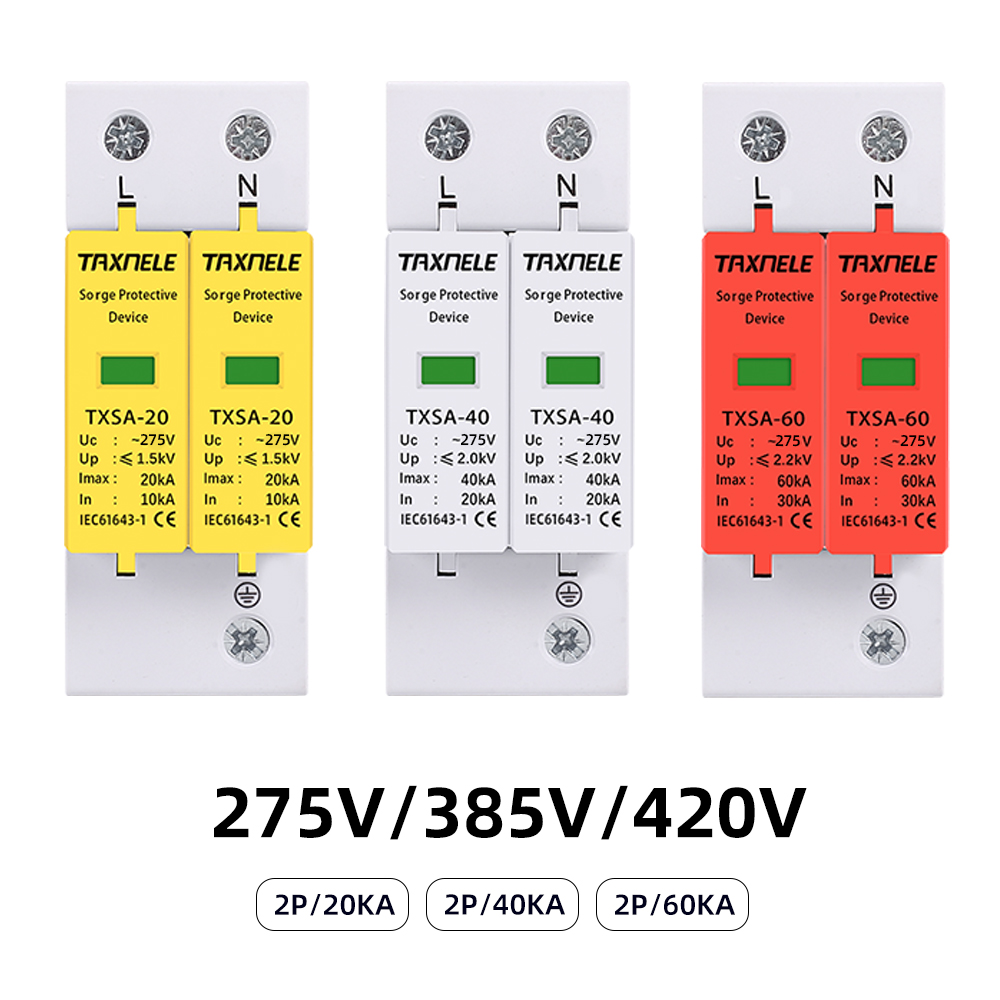
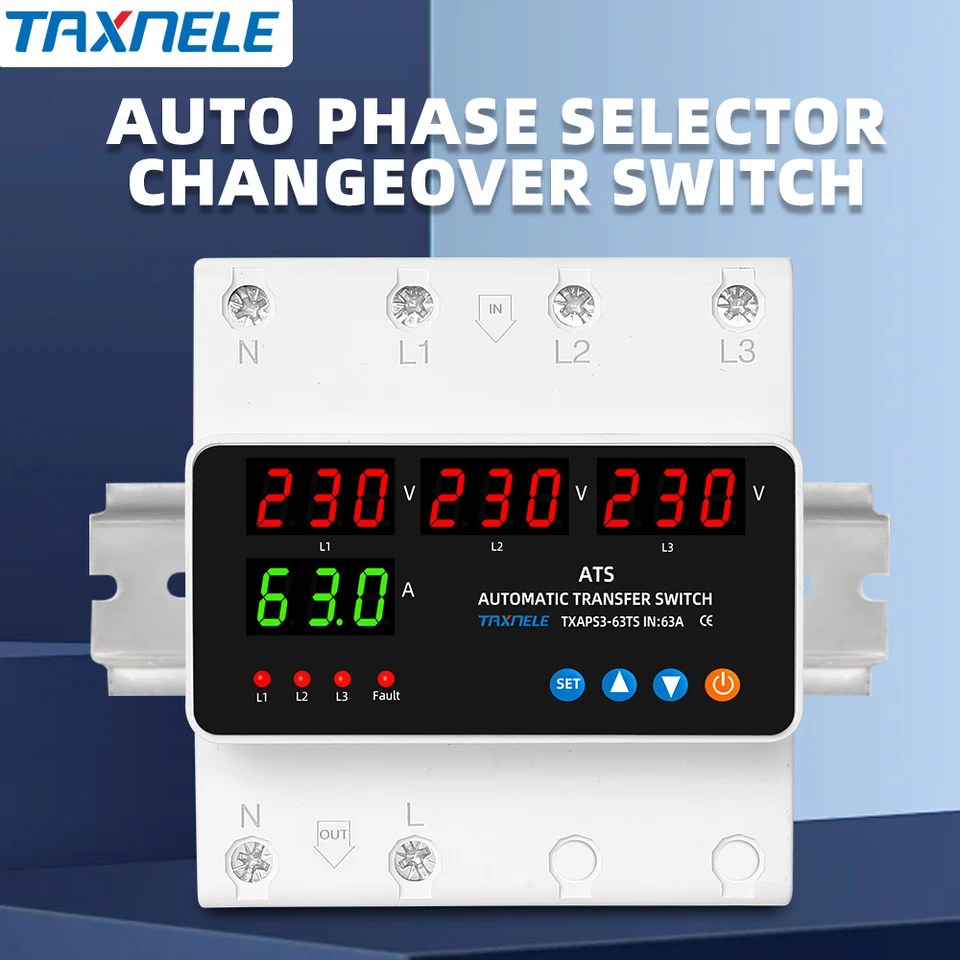
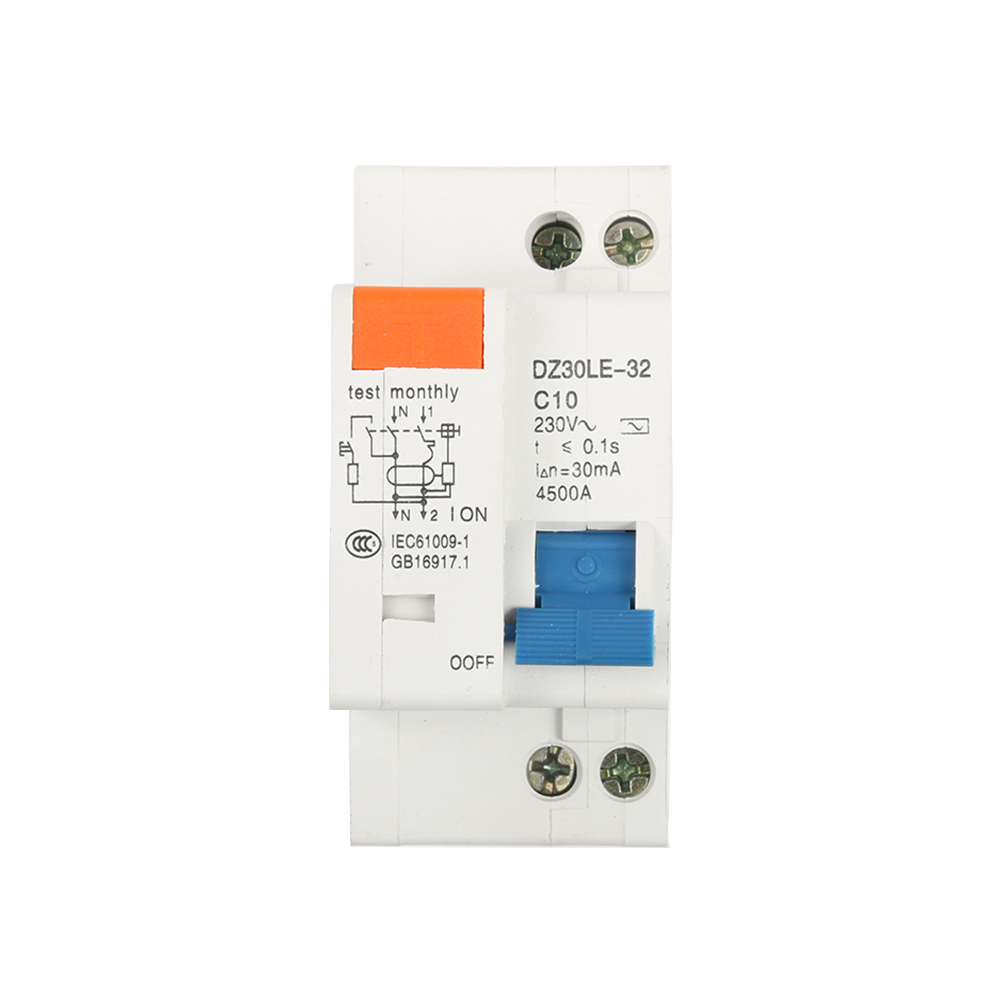
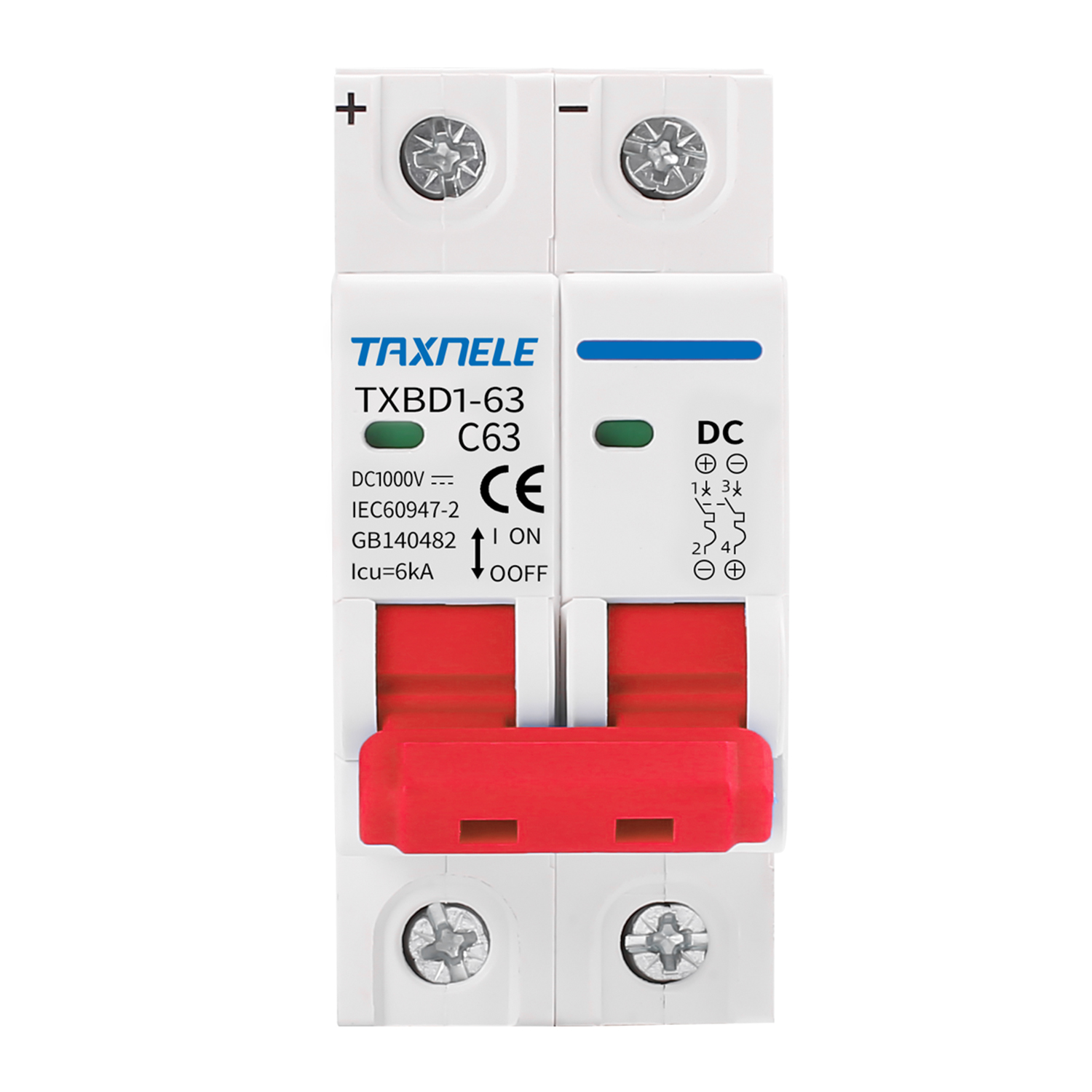
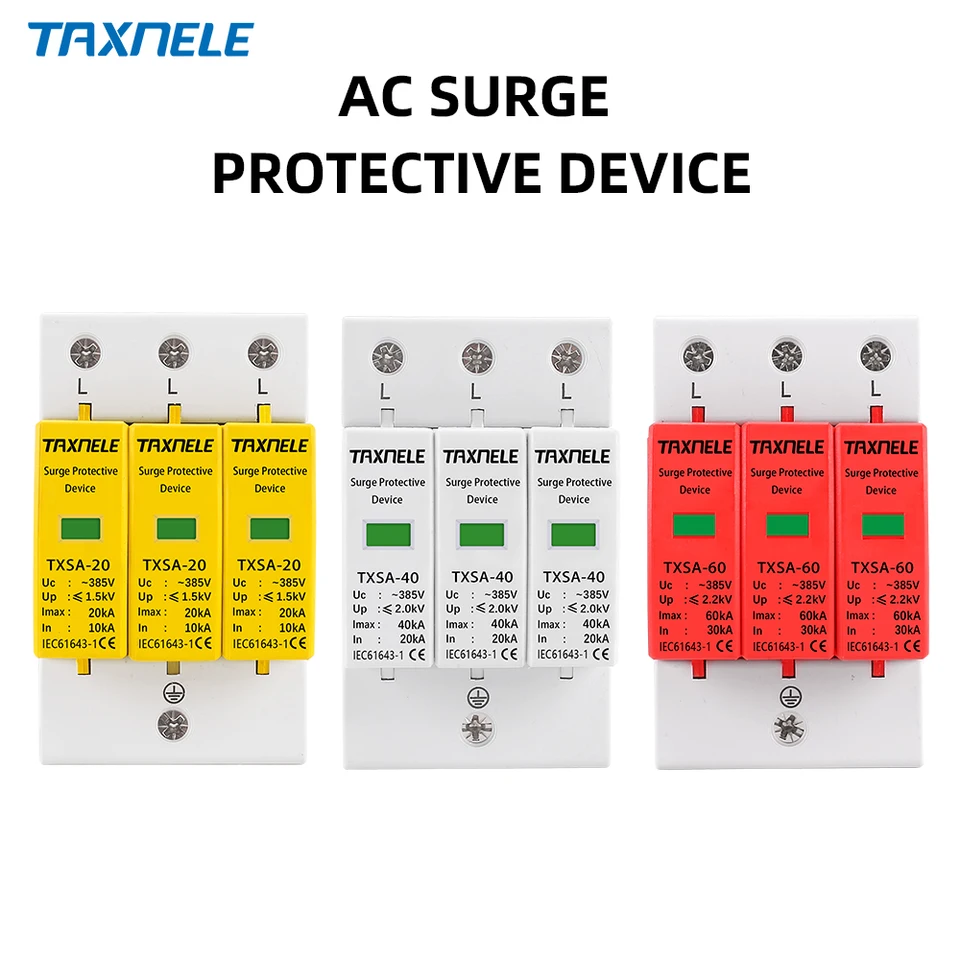
1. Technical Architecture & Engineering Evaluation of Molded Case Circuit Breakers (MCCB)
In low-voltage industrial power distribution, commercial switchgear, and utility-scale photovoltaic infrastructure, the Molded Case Circuit Breaker (MCCB) serves as the backbone of electrical safety and operational continuity. Unlike standard Miniature Circuit Breakers (MCBs), which are typically restricted to currents under 125A and lower breaking capacities (4.5kA to 10kA), high-performance MCCBs cover frame ratings up to 1600A with short-circuit breaking capacities ($I_{cu}$) ranging from 25kA to over 100kA according to IEC/EN 60947-2 and UL 489 standards.
Selecting the top trusted molded case circuit breaker manufacturers requires a deep understanding of trip unit architectures, dielectric withstand parameters, arc quenching chamber design, and thermal dissipation performance under continuous load conditions. Industrial electrical procurement teams must look beyond superficial pricing and systematically audit factory testing protocols, contact material composition (such as AgCdO vs. environmentally compliant AgZnO silver alloy matrix contacts), and mechanical endurance cycles.
Thermal-Magnetic vs. Microprocessor-Based (Electronic) Trip Units
When specifying MCCBs for critical infrastructure, plant managers and OEM panel builders must choose between traditional thermal-magnetic mechanisms and advanced electronic trip units (ETUs):
| Trip Unit Parameter | Thermal-Magnetic MCCB | Electronic (Microprocessor) ETU MCCB |
|---|---|---|
| Overload Protection (L) | Bi-metallic strip bending (Temperature dependent) | Rogowski coil / CT current sampling with true RMS evaluation |
| Short-Time Delay (S) | Fixed or mechanical calibration dial | Programmable time delay ($t_{sd}$) for selective discrimination |
| Instantaneous Trip (I) | Electromagnetic plunger solenoid | Adjustable threshold ($I_i$) from $1.5 \times I_n$ to $15 \times I_n$ |
| Ground Fault Protection (G) | Requires external zero-sequence CT module | Integrated residual sensing ($I_g$) with trip curve shaping |
| Ambient Temperature Sensitivity | Requires derating factors above 40°C base calibration | Digital temperature compensation logic embedded in ASIC |
| Harmonics Response | Distorted waveforms cause nuisance tripping or delayed response | True RMS filtering prevents false trips from 3rd/5th/7th harmonics |
For standard motor feeder protection and commercial main distribution boards, thermal-magnetic MCCBs provide time-tested reliability and cost efficiency. However, for modern data centers, renewable energy microgrids, and automated manufacturing lines, electronic trip units offer indispensable selectivity, preventing cascading blackouts through precise $I^2t$ time-current curve customization.
2. Global Sourcing & Procurement Trends (2025–2030)
The global circuit protection market is undergoing a structural transformation driven by the green energy transition, smart building automation, and supply chain re-engineering. Electrical engineering buyers and international procurement directors should align their vendor selection with four pivotal industry shifts:
Trend 1: High-Voltage DC Circuit Protection for Solar PV & BESS
With solar string voltages expanding from 1000V DC to 1500V DC and battery energy storage systems (BESS) delivering massive fault currents, traditional AC contact geometry is insufficient. Next-generation molded case circuit breakers feature specialized magnetic blowout channels and multi-pole series wiring configurations to suppress high-energy DC arcs rapidly within milliseconds.
Trend 2: IoT Connectivity & Predictive Maintenance
Smart city initiatives and Industry 4.0 demand real-time telemetry from distribution switchgear. Modern smart MCCBs incorporate RS485 Modbus, Ethernet, or wireless Tuya/Wi-Fi protocols to continuously monitor contact wear, operational temperature, phase unbalance, and energy consumption (kWh metering), notifying engineers prior to catastrophic insulation failure.
Trend 3: Arc Flash Reduction & Solid-State Innovation
Worker safety protocols (such as NFPA 70E) are pushing manufacturers to implement Arc Flash Reduction Maintenance Switches (ARMS). During maintenance windows, ARMS overrides normal time delays to trip instantly upon detecting a fault, dramatically reducing dangerous incident arc flash energy.
Trend 4: Flexible OEM/ODM Sourcing & Agile Low MOQs
B2B importers are stepping away from rigid multi-container commitments enforced by legacy brands. The market increasingly favors agile China-based manufacturing specialists who offer sample customization, low Minimum Order Quantities (MOQ starting at 10 pieces), and comprehensive CE/RoHS compliance verification upfront.
3. Technical Selection Guide: Short-Circuit Breaking Capacity & Selectivity
A frequent error during low-voltage switchgear procurement is confusing Ultimate Short-Circuit Breaking Capacity ($I_{cu}$) with Service Short-Circuit Breaking Capacity ($I_{cs}$). Standard testing protocols under IEC 60947-2 define how a molded case circuit breaker behaves during extreme short-circuit fault conditions:
- Ultimate Breaking Capacity ($I_{cu}$): Tested via an $O - t - CO$ sequence (Open trip -> wait 3 minutes -> Close-Open trip). The breaker must clear the maximum prospective fault current safely without exploding or venting flame, though it may require replacement or service afterward.
- Service Breaking Capacity ($I_{cs}$): Tested via an $O - t - CO - t - CO$ sequence (Open trip -> wait -> Close-Open -> wait -> Close-Open). The MCCB must clear the fault current three consecutive times and remain 100% operational to carry rated current without continuous thermal runaway. Top-tier manufacturers achieve $I_{cs} = 100\% \times I_{cu}$ or $I_{cs} = 75\% \times I_{cu}$.
Cascading (Back-Up Protection) & Total Selectivity Matrix
By leveraging downstream circuit breaker current-limiting capabilities, engineers can specify a lower breaking capacity downstream breaker than the calculated prospective short-circuit current ($I_{cp}$), relying on the upstream MCCB to absorb the bulk of the fault energy. This technique reduces total switchboard procurement costs by up to 30% while maintaining absolute safety.
Factory Competence & Manufacturing Capability: Yueqing Favreau Electric Co., Ltd.
Located in the Sulu Industrial Zone of Yueqing, Wenzhou—the world-renowned manufacturing cluster for low-voltage electrical equipment—Yueqing Favreau Electric Co., Ltd. stands as a premier manufacturer and exporter of comprehensive circuit protection, switching, and metering technologies.
Our state-of-the-art facility integrates advanced SMT placement lines, high-precision automatic wave soldering machinery, automatic insertion stations, and multi-parameter computerized test benches. Backed by an experienced engineering R&D team and operating strictly under an ISO 9001 quality management framework, Favreau delivers robust products certified to CE and RoHS international standards.
SGS Audited Facility
Independently inspected onsite by SGS Group, verifying production capacity, workshop premises, and main product line authenticities.
Custom OEM/ODM Engineering
Full support for OEM private labeling, custom front panel artwork, custom trip parameter calibration, and tailored regional grid solutions.
Agile Low MOQs
Flexible ordering policy starting from just 10 pieces per model (and 2 pieces for panel meters), eliminating high inventory risk for B2B buyers.
Frequently Asked Procurement & Technical Questions (FAQ)
Expert answers addressing real-world engineering, compliance, and supply chain queries from international B2B importers.
Q1: How do I calculate the required short-circuit breaking capacity (Icu) for an MCCB installation?
The required $I_{cu}$ must equal or exceed the maximum prospective short-circuit current ($I_{cp}$) at the point of installation. To calculate $I_{cp}$, sum the transformer capacity ($kVA$), impedance voltage percentage ($Z\%$), and cable resistance/reactance between the transformer secondary terminals and the switchboard main busbar. For example, a 1000kVA transformer with 5% impedance yields a prospective fault current of approximately 29kA at 400V; thus, an MCCB rated for at least 36kA or 50kA $I_{cu}$ is specified to ensure safety margin.
Q2: What are the key differences when specifying DC MCCBs for PV solar arrays versus standard AC MCCBs?
AC electrical arcs naturally pass through zero voltage twice per cycle (at 50Hz or 60Hz), aiding arc extinction. DC arcs maintain continuous voltage and current, creating severe thermal stress inside the arc chute. DC MCCBs feature permanent internal magnets that push the arc into specialized arc splitter plates, lengthened contact gaps, and strict polarity considerations (unless non-polarized models are specified). Standard AC breakers must never be used in high-voltage DC solar circuits without explicit DC voltage and current rating validation from the manufacturer.
Q3: How does high ambient temperature or high altitude affect MCCB ratings?
Base calibrations for thermal-magnetic breakers are performed at 40°C under IEC 60947-2. In ambient temperatures exceeding 40°C (e.g., inside outdoor IP65 solar combiner boxes or desert installations), thermal bimetals expand faster, requiring a continuous current derating factor (typically 0.9 for 50°C and 0.8 for 60°C). Above 2000 meters altitude, thinner air reduces dielectric cooling performance; operational voltage ($U_e$) and current ($I_n$) must be derated by approximately 0.98 per 1000m above 2000m altitude.
Q4: What compliance documentation should importers request before placing an MCCB order?
B2B buyers should request: 1) Third-party test reports showing compliance with IEC/EN 60947-2 or UL 489; 2) CE Declaration of Conformity (DoC); 3) RoHS material test reports for environmental compliance; 4) ISO 9001 factory management certificates; and 5) Independent factory assessment reports (such as SGS onsite verification reports). Yueqing Favreau Electric Co., Ltd. provides complete documentation packages prior to order confirmation.
Q5: Can smart Tuya or Wi-Fi connected circuit breakers replace traditional MCCBs?
Smart Wi-Fi breakers excel at secondary sub-circuit protection, remote switching, energy telemetry (kWh metering), and automated load shedding. However, for primary service entrances and heavy industrial loads exceeding 125A or requiring high breaking capacities (35kA to 100kA), heavy-duty Molded Case Circuit Breakers (MCCBs) with integrated Modbus RS485 communication or auxiliary contact blocks are required to handle extreme short-circuit fault energies safely.
Q6: What is the minimum order quantity (MOQ) and sample evaluation workflow at Favreau Electric?
Favreau supports global distributors with low-risk procurement thresholds. Standard MCCBs, DC breakers, ATS switches, and smart breakers start at an MOQ of just 10 pieces per model, while panel meters start at 2 pieces. Importers can request sample units for bench testing, trip curve validation, and panel fitting before committing to bulk OEM production orders.
Q7: How does Favreau ensure consistent product quality across batch production runs?
Our quality control workflow encompasses IQC (Incoming Quality Control for silver contacts, copper busbars, and electronic IC components), IPQC (In-Process Quality Control during automated SMT and wave soldering assembly), and 100% final testing. Every circuit breaker undergoes automated calibration for instantaneous magnetic trip, thermal overload response, contact resistance measurement, and high-voltage dielectric withstand checks prior to final export packaging.
Partner with a Verified Circuit Protection Manufacturer
Whether you require standard thermal-magnetic MCCBs, high-voltage DC solar circuit breakers, or smart IoT distribution units, our engineering team is ready to support your custom OEM specifications.