Featured Export Protection & Switching Portfolio
Explore our top-rated low-voltage electrical components engineered for industrial, commercial, solar PV, and residential infrastructure. Fully certified for global distribution.

Din Rail Mini 2P 4P ATS Dual Power Automatic Transfer Switch 230V 80A
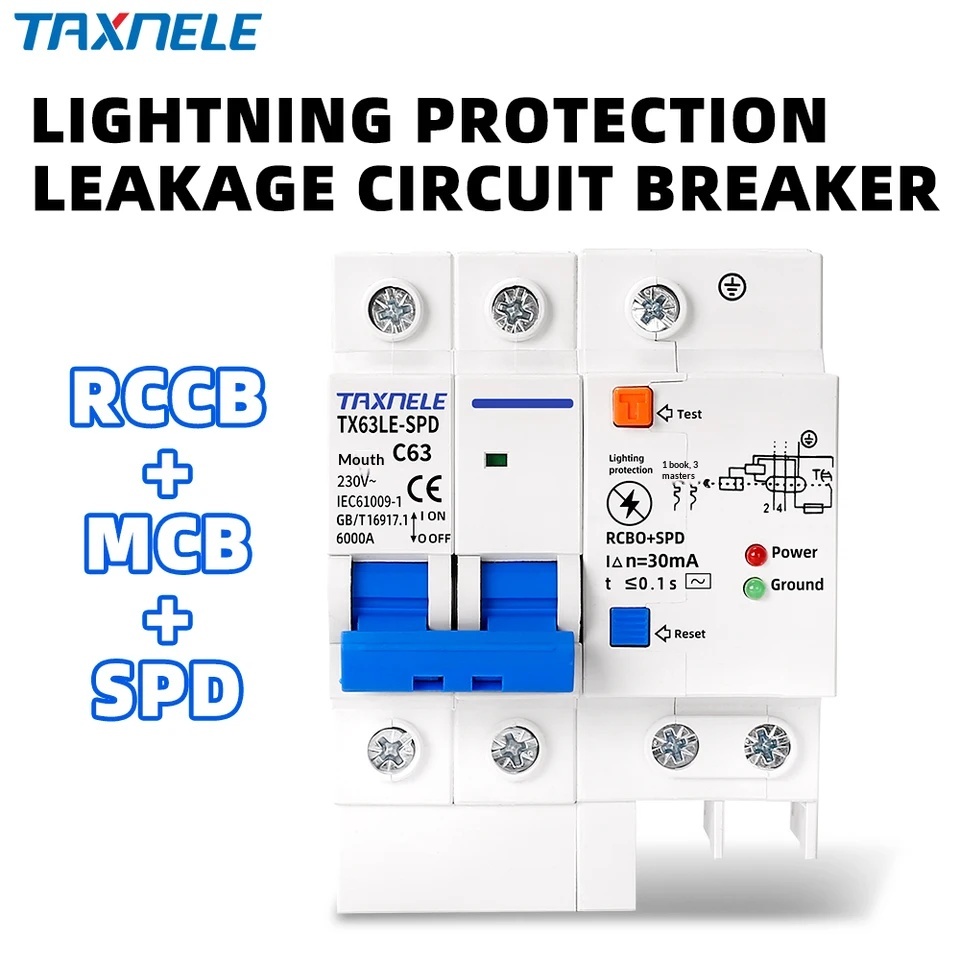
TAXNELE Residual Current Breaker 220V RCBO with SPD Lightning Protection
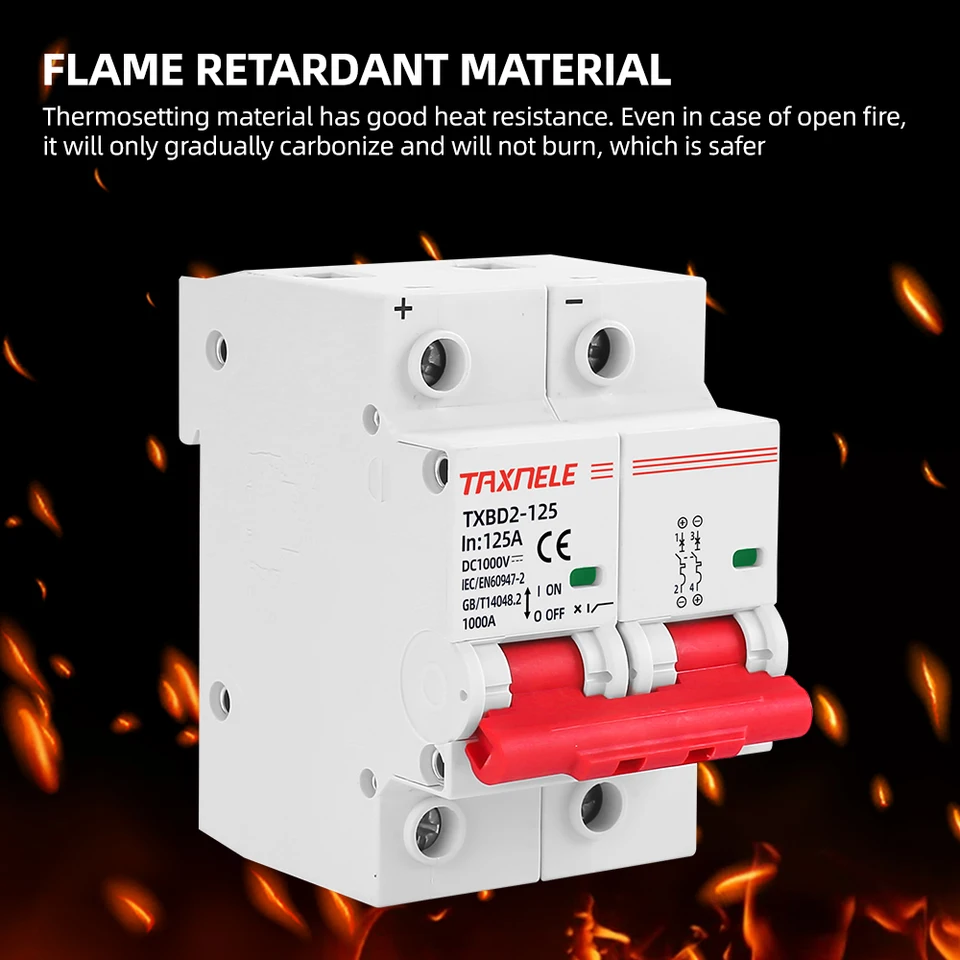
2P DC 1000V Solar Mini Circuit Breaker Battery Isolator Switch 100A 125A
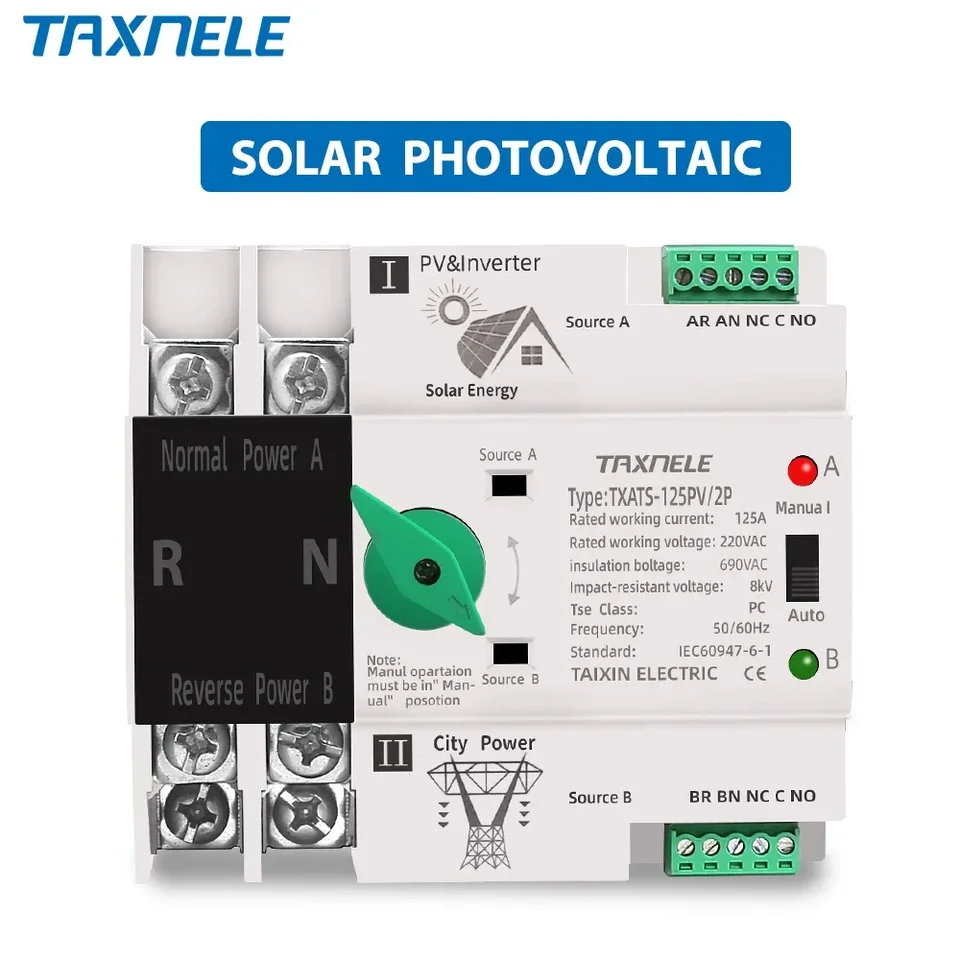
Din Rail Mini ATS PV Solar Inverter Selector Switch 2P 63A 100A 125A

Tuya WiFi 4P 100A 3-Phase Smart Energy Metering & Reclosing Breaker

DC 1000V 2P Solar PV Mini Circuit Breaker Battery Switch 6A–63A MCB
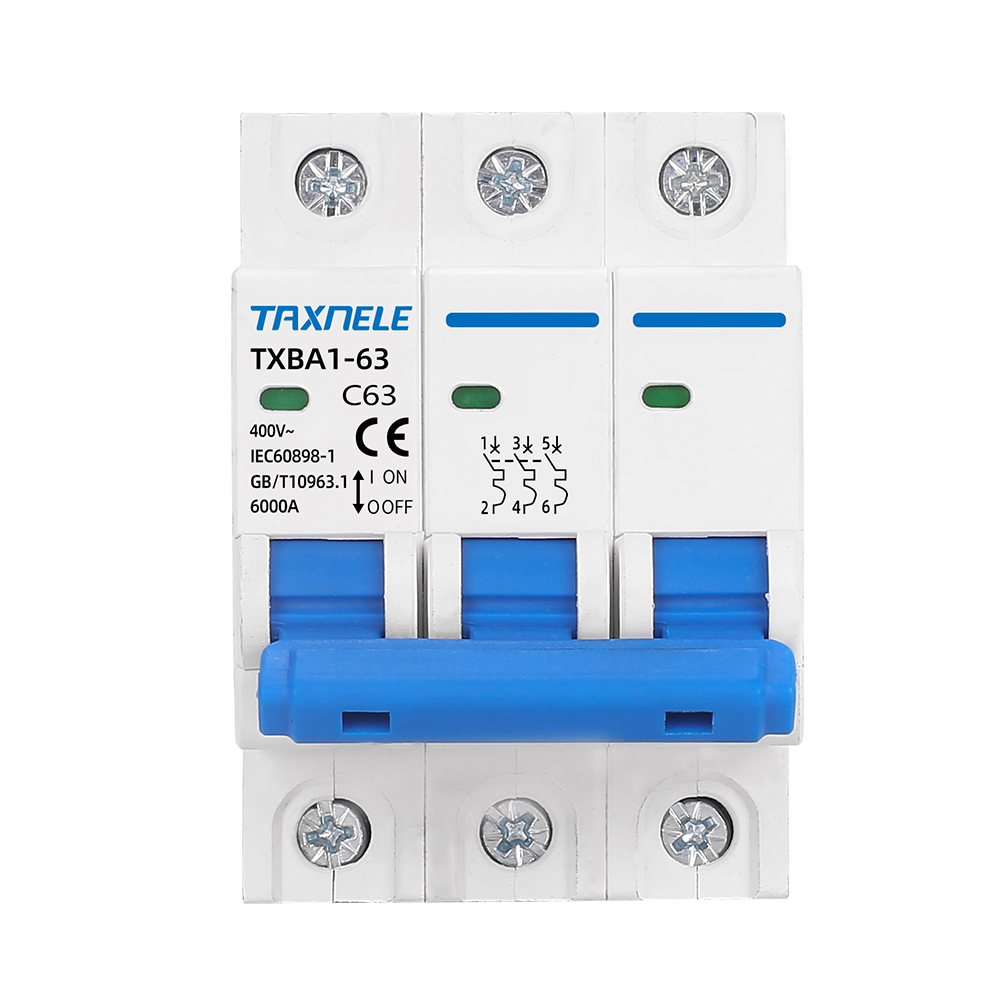
AC MCB 3P 230V/400V 6kA Air Switch Overload Short Circuit Protector
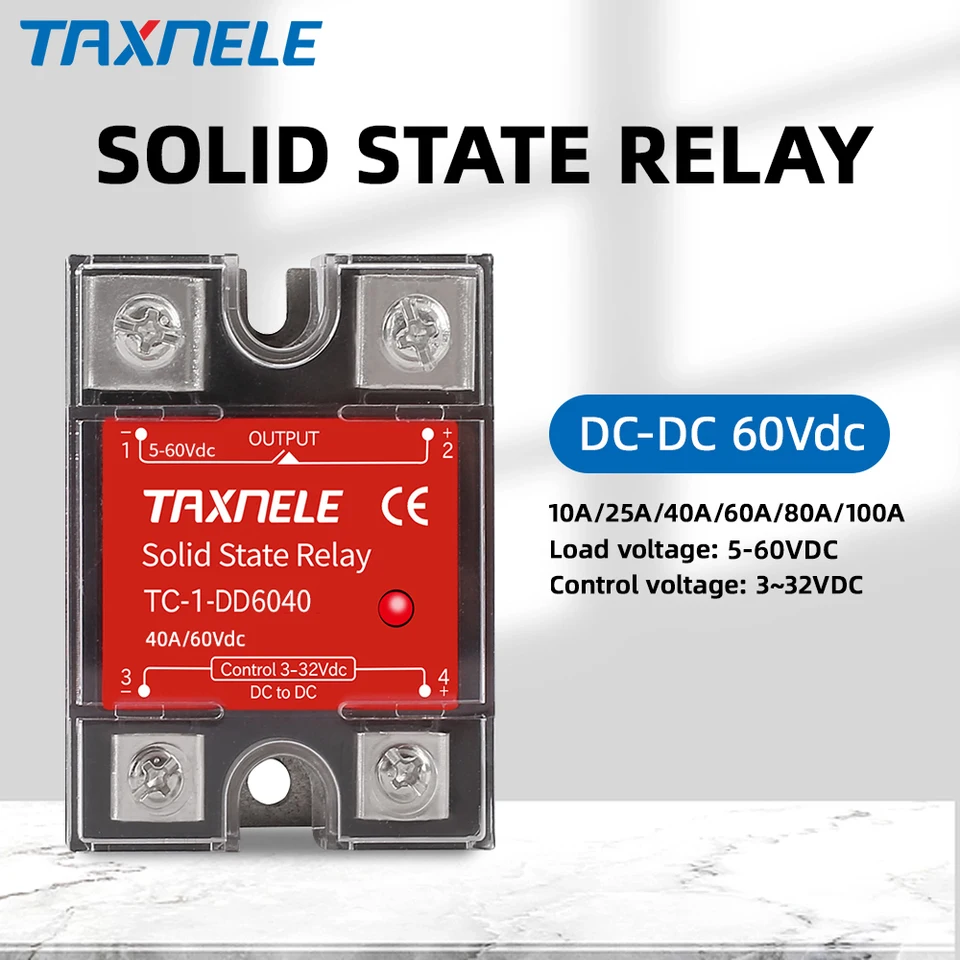
TC-1-DD6040 Single Phase DC Control 3-32VDC 60VDC Solid State Relay
1. Executive Summary & Industry Landscape of China MCCB Exports
In modern industrial and commercial electrical infrastructure, the Molded Case Circuit Breaker (MCCB) serves as a critical defense layer within low-voltage power distribution networks. Positioned between primary air circuit breakers (ACBs) at main switchgear incoming feeds and downstream miniature circuit breakers (MCBs) at terminal distribution boards, MCCBs deliver high interrupting capacity, precise thermal-magnetic or electronic trip units, and robust mechanical switching life. As global industrial automation expands, urban power grids modernize, and renewable energy adoption accelerates, international demand for certified, heavy-duty China-manufactured MCCBs and protection switchgear has reached unprecedented levels.
China's electrical manufacturing hub—centered prominently in Yueqing, Wenzhou—accounts for a substantial share of global low-voltage component exports. China MCCB circuit breaker exporters and wholesalers have evolved from cost-driven manufacturing to advanced engineering, offering IEC 60947-2, UL 489, and CE-compliant circuit protection solutions. Modern Chinese manufacturing facilities integrate automated SMT surface-mount lines, laser calibration systems, high-voltage impulse generators, and stringent quality control protocols to supply major electrical brand importers, panel builders, and EPC engineering contractors across Europe, the Middle East, Southeast Asia, Africa, and the Americas.
2. Engineering Deep Dive: MCCB Architecture, Arc Quenching & Selection Criteria
To specify the correct Molded Case Circuit Breaker for industrial power distribution or solar PV combiner networks, procurement engineers must evaluate key physical and electrical characteristics beyond basic continuous current ratings ($I_n$). Understanding the internal mechanisms of an MCCB ensures system reliability under harsh transient fault conditions.
2.1 Arc Extinguishing Chutes & Contact Systems
When an electrical short-circuit fault occurs, the MCCB's contacts separate, generating a high-energy plasma arc exceeding several thousand degrees Celsius. Premium MCCBs utilize arc chutes constructed from insulated steel splitter plates. These plates draw the electrical arc away from the primary silver-alloy contacts through electromagnetic forces, lengthening and cooling the arc into discrete segment voltages until zero-crossing extinction is achieved. Advanced China MCCB manufacturers employ gas-evolving polyester glass-reinforced housing materials that generate quenching gas pressure, ensuring rapid fault clearing within milliseconds.
2.2 Trip Unit Technology: Thermal-Magnetic vs. Electronic Microprocessor (ETU)
MCCBs utilize two primary protective tripping mechanisms:
- Thermal-Magnetic Trip Units: Utilize a bimetallic strip for inverse time-delay overload protection (heating expansion disengages trip latch) and an electromagnetic coil for instantaneous short-circuit protection. Ideal for standard commercial distribution boards and motor loads where cost-efficiency and passive reliability are paramount.
- Electronic Trip Units (ETU / Microprocessor): Incorporate current transformers (CTs) to sample load current continuously. Microprocessor algorithms allow independent user adjustment of Long Time Delay ($L$), Short Time Delay ($S$), Instantaneous ($I$), and Ground Fault ($G$) protection parameters (LSI/LSIG protection). Electronic MCCBs provide superior selective coordination (discrimination) to prevent nuisance tripping of upstream breakers.
2.3 Electrical Parameter Selection Matrix
The following engineering matrix outlines essential parameters that global wholesalers and project engineers must evaluate when sourcing China MCCBs:
| Parameter Symbol | Engineering Definition | Application Relevance for Importers |
|---|---|---|
| $U_e$ / $U_i$ | Rated Operational Voltage / Insulation Voltage | Determines grid compatibility (e.g., AC 400V/690V or DC 1000V/1500V for solar PV strings). |
| $I_n$ | Rated Continuous Current (Frame Size 100A–1600A) | Nominal current the MCCB carries continuously without exceeding thermal rise limits. |
| $I_{cu}$ | Ultimate Short-Circuit Breaking Capacity | Maximum fault current (kA) the MCCB can interrupt safely once without sustaining damage. |
| $I_{cs}$ | Service Short-Circuit Breaking Capacity | Fault current (kA) the MCCB can interrupt repeatedly while remaining fully operational ($I_{cs} = 50\%–100\% I_{cu}$). |
| $I_{cw}$ | Rated Short-Time Withstand Current | Crucial for Category B electronic breakers ensuring time-graded selectivity during downstream faults. |
3. Future Procurement & Technology Trends in Circuit Protection (2025–2030)
As the global energy mix transitions toward decentralized renewables, electrification of transport, and smart factory automation, the circuit breaker industry is undergoing rapid technical transformation. B2B purchasers and distributors must align their procurement strategies with these emerging trends:
Trend 1: Smart IoT-Enabled Breakers & Digital Energy Management
Traditional passive protection devices are rapidly giving way to smart breakers integrated with IoT microcontrollers, RS485 Modbus communications, and wireless protocols such as WiFi/Tuya, Zigbee, and LoRaWAN. Today's commercial building operators demand real-time telemetry—monitoring line voltage, current harmonics, active power (kW), total energy consumption (kWh), power factor, and contact temperature. Integrated auto-reclosing functions allow remote recovery from transient grid sags, drastically reducing truck-rolls for maintenance teams.
Trend 2: High-Voltage DC Protection for Solar PV & BESS Systems
With utility-scale and commercial rooftop solar installations shifting to higher DC operating voltages (1000V DC and 1500V DC) to minimize $I^2R$ copper losses, dedicated DC MCCBs are essential. DC currents lack natural zero-voltage crossings, making arc extinction significantly harder than AC. Modern China DC circuit breaker exporters utilize non-polarized arc-blowout permanent magnets and multi-pole series wiring configurations to break high-voltage DC arcs safely, supporting energy storage systems (BESS) and photovoltaic string combiner boxes.
Trend 3: Compact Frame Sizes & High Breaking Capacity Integration
Panel builders face increasing spatial constraints inside switchgear enclosures. Manufacturers are optimizing internal arc-chute geometry and contact lever mechanics to deliver higher breaking capacities ($I_{cu} \ge 65\text{kA}$ at 400V) within reduced frame sizes (e.g., housing a 250A trip mechanism inside traditional 160A dimensions). This allows panel builders to reduce enclosure footprints and lower freight costs per unit.
Trend 4: Eco-Friendly Flame-Retardant Polymers & Circular Materials
Environmental compliance (RoHS 3, REACH) is now mandatory for European and North American buyers. Leading Chinese factories are replacing traditional halogenated plastic resins with green, recyclable, halogen-free glass-fiber reinforced thermoplastics that resist extreme ambient operating temperatures (-25°C to +70°C) while maintaining flame-retardant ratings (UL94-V0).
4. Enterprise Strengths & OEM/ODM Capabilities: Yueqing Favreau Electric Co., Ltd.
When selecting a reliable manufacturing partner in China, technical verification, factory audits, and flexible trade capabilities are critical. Yueqing Favreau Electric Co., Ltd. (operating under premier brands including Favreau and TAXNELE) represents the high-standard benchmark of Wenzhou’s low-voltage electrical manufacturing sector.
Audited Industrial Facility
Located in the Sulu Industrial Zone of Yueqing, Wenzhou. Factory premises and production lines independently inspected and verified onsite by SGS Group.
International Compliance
Products carry fully tested CE and RoHS compliance certificates, manufactured under strict ISO 9001 quality management procedures.
Flexible OEM / ODM Terms
Supports low MOQ starting from 10 pieces per model. Complete private-label printing, front-panel artwork customization, and custom trip settings.
Complete Protection Portfolio
One-stop production range: Din rail voltage protectors, DC solar MCBs/MCCBs, PV surge protective devices (SPD), ATS dual power switches, and WiFi smart breakers.
Global Logistics & Payments
Flexible trade terms (FOB, CIF, EXW, DDP, DDU) supporting T/T, L/C, Western Union, PayPal, and credit card payments for frictionless international purchasing.
Proven Market Recognition
Ranked among top suppliers for Automatic Transfer Switches (#7), Surge Protective Devices (#9), and Mini Circuit Breakers (#12) based on export transaction metrics.
5. Frequently Asked Technical & Procurement Questions (FAQ)
Below are authoritative answers compiled by our application engineering team to address common queries from international electrical wholesalers, panel builders, and procurement managers:
What is the functional difference between ultimate breaking capacity ($I_{cu}$) and service breaking capacity ($I_{cs}$)?
How do ambient enclosure temperatures affect MCCB thermal rating ($I_n$) and calibration?
Can standard AC MCCBs be safely installed in 1000V DC Photovoltaic string networks?
What custom options are available for OEM / ODM circuit breaker orders?
- Laser printing of private brand logos and customized model part numbers on front covers.
- Customized color schemes for toggle handles, enclosure faces, and terminal shrouds.
- Modification of thermal tripping curves (B, C, D curves for MCBs; specialized motor protection curves for MCCBs).
- Custom artwork for retail box packaging, outer cartons, and multi-lingual instruction manuals.
- Pre-calibrated trip limits adjusted specifically for target regional grid voltages (e.g., 110V, 220V, 230V, 380V, 415V, or 440V).
What quality control procedures guarantee zero-defect shipments from the factory?
- IQC (Incoming Quality Control): Inspection of raw silver contacts, copper terminal blocks, bimetal strips, and molding resins.
- IPQC (In-Process Quality Control): Automated SMT optical inspection and mechanical latch movement verification during assembly.
- 100% OQC Testing (Outgoing Quality Control): Every single circuit breaker undergoes automated calibration testing for thermal trip timing, magnetic instant trip threshold, high-pot insulation withstand voltage testing (2000V dielectric test), and contact resistance measurement before final packaging.
What are the typical minimum order quantities (MOQ), lead times, and shipping terms?
Ready to Partner with China's Premier Circuit Breaker Supplier?
Request our latest product catalog, technical datasheets, CE/RoHS certificates, and competitive factory-direct wholesale price lists today.
Get Catalog