High-Performance Electrical & Solar Protection Series
Explore our export-ready range of CE/RoHS certified miniature circuit breakers, surge protective devices, smart breakers, and automated switches designed for severe grid conditions and high-voltage DC arrays.

Tuya WiFi Smart Miniature Circuit Breaker with Over/Under Voltage Protection and Remote Control
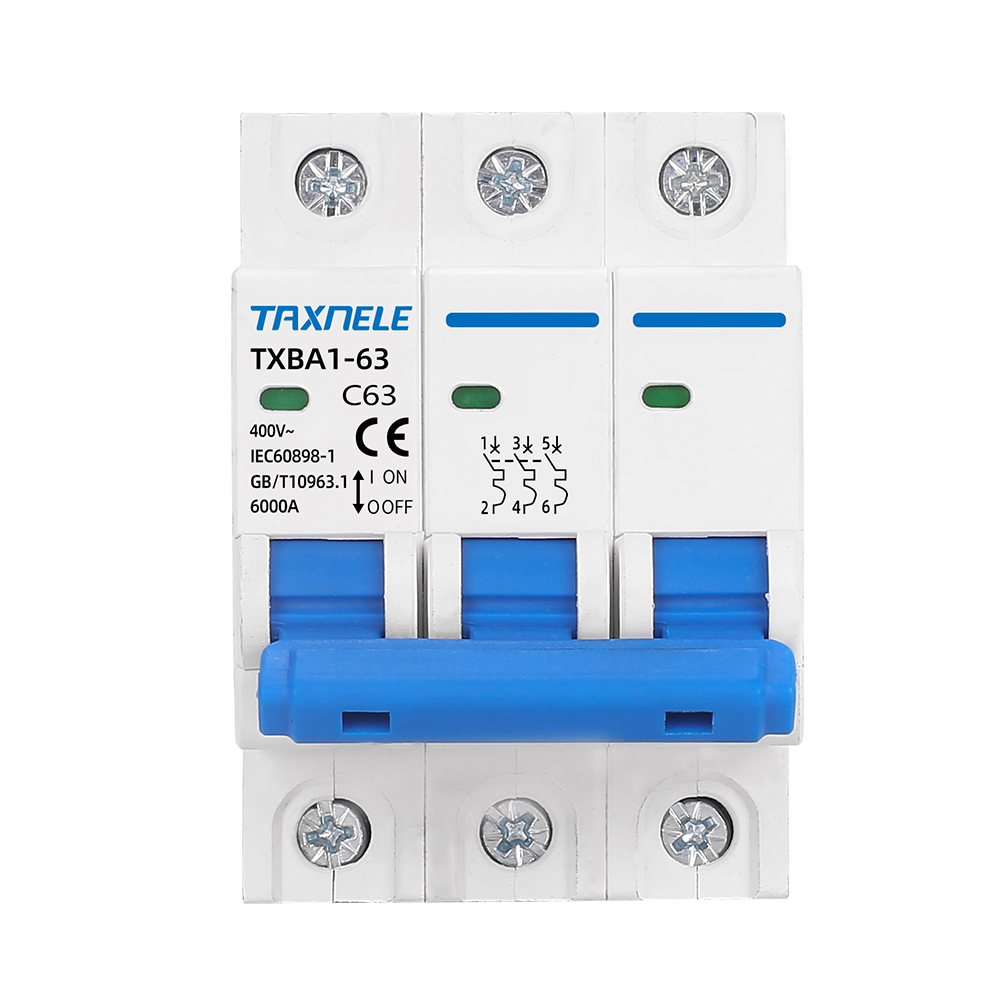
AC MCB 3P 230V 400V 6KA Mini Circuit Breaker Air Switch 6A to 63A Overload Short Circuit Protector
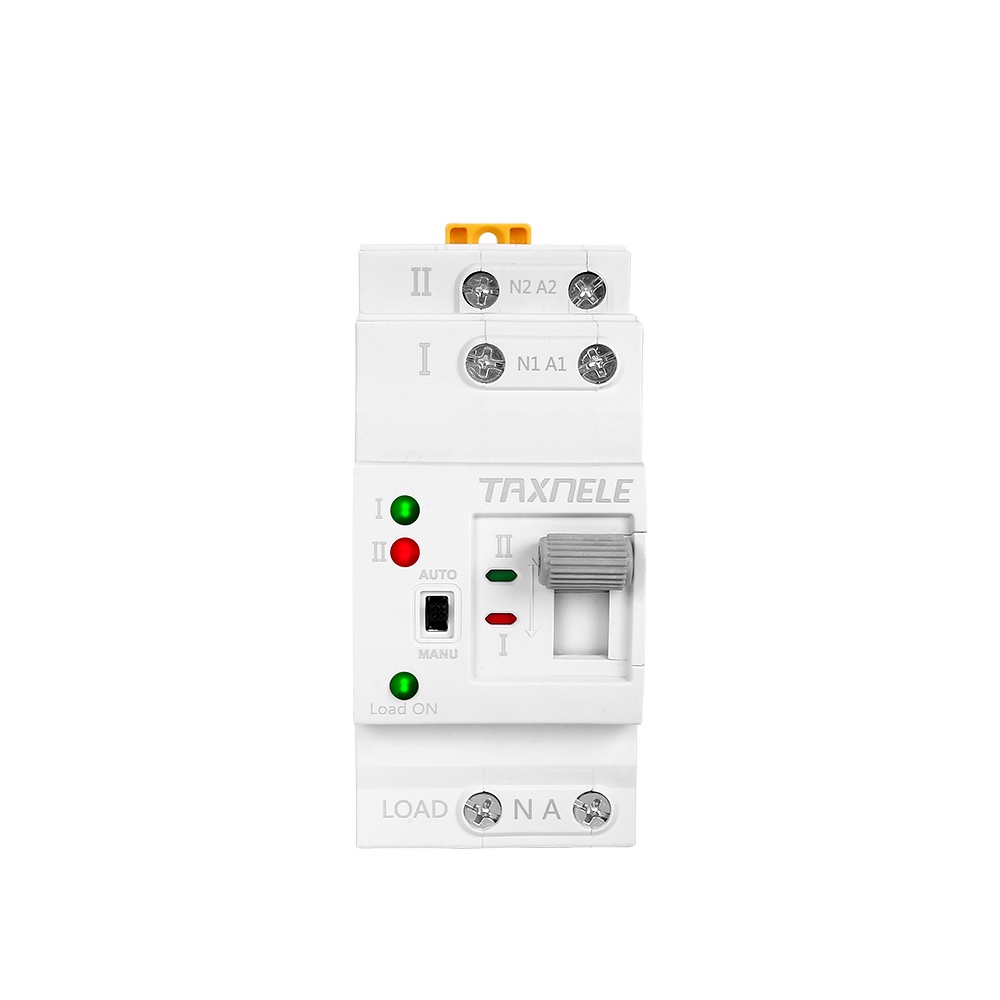
Taxnele 2P 4P Din Rail Uninterrupted Power ATS Dual Power Automatic Transfer Switch 63A
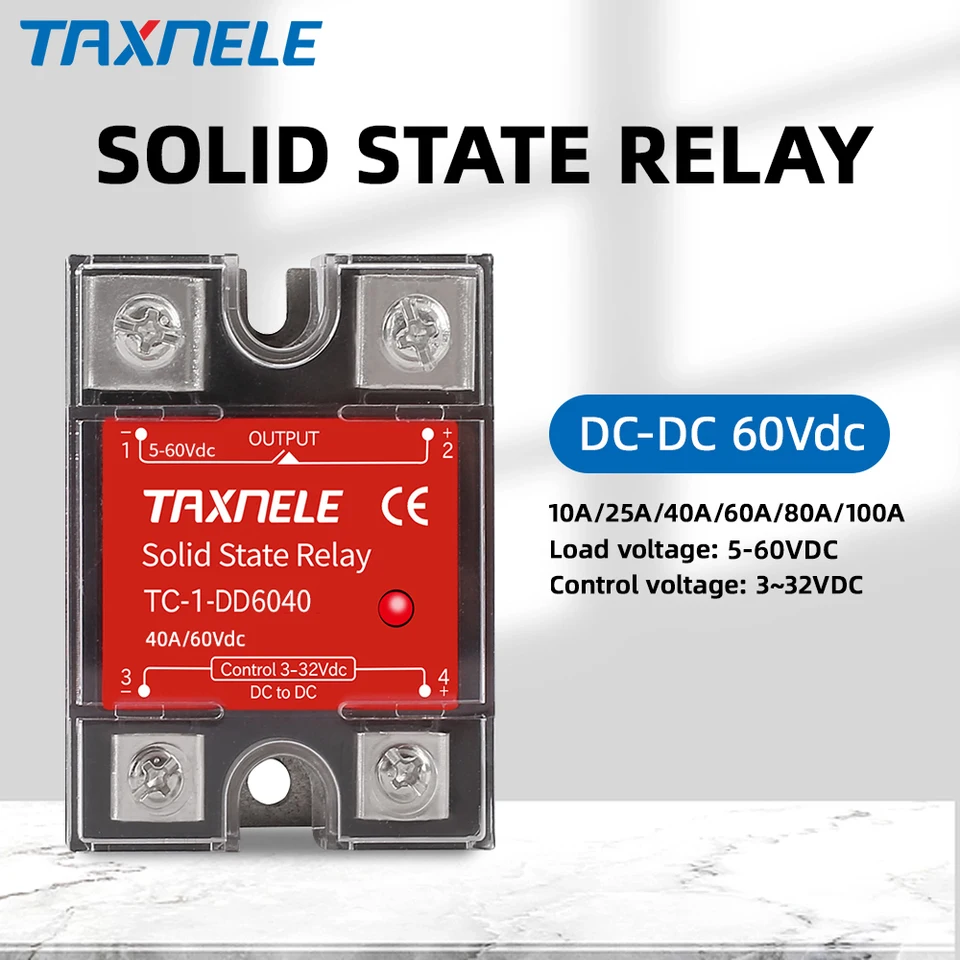
TC-1-DD6040 Single Phase DC Control Heat Sink 3-32VDC 60VDC 10A-100A Solid State Relay
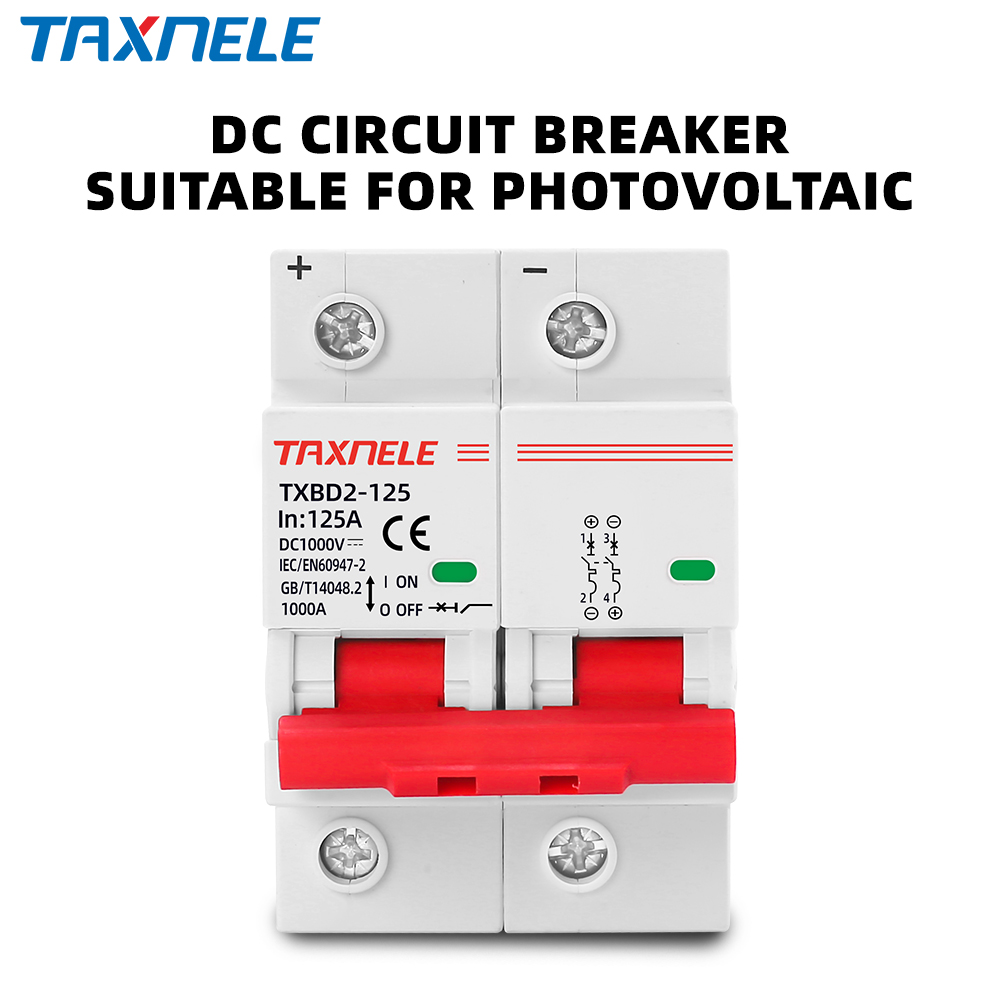
2P DC 1000V Solar Mini Circuit Breaker Battery Switch 125A 100A DC MCB for Photovoltaic System
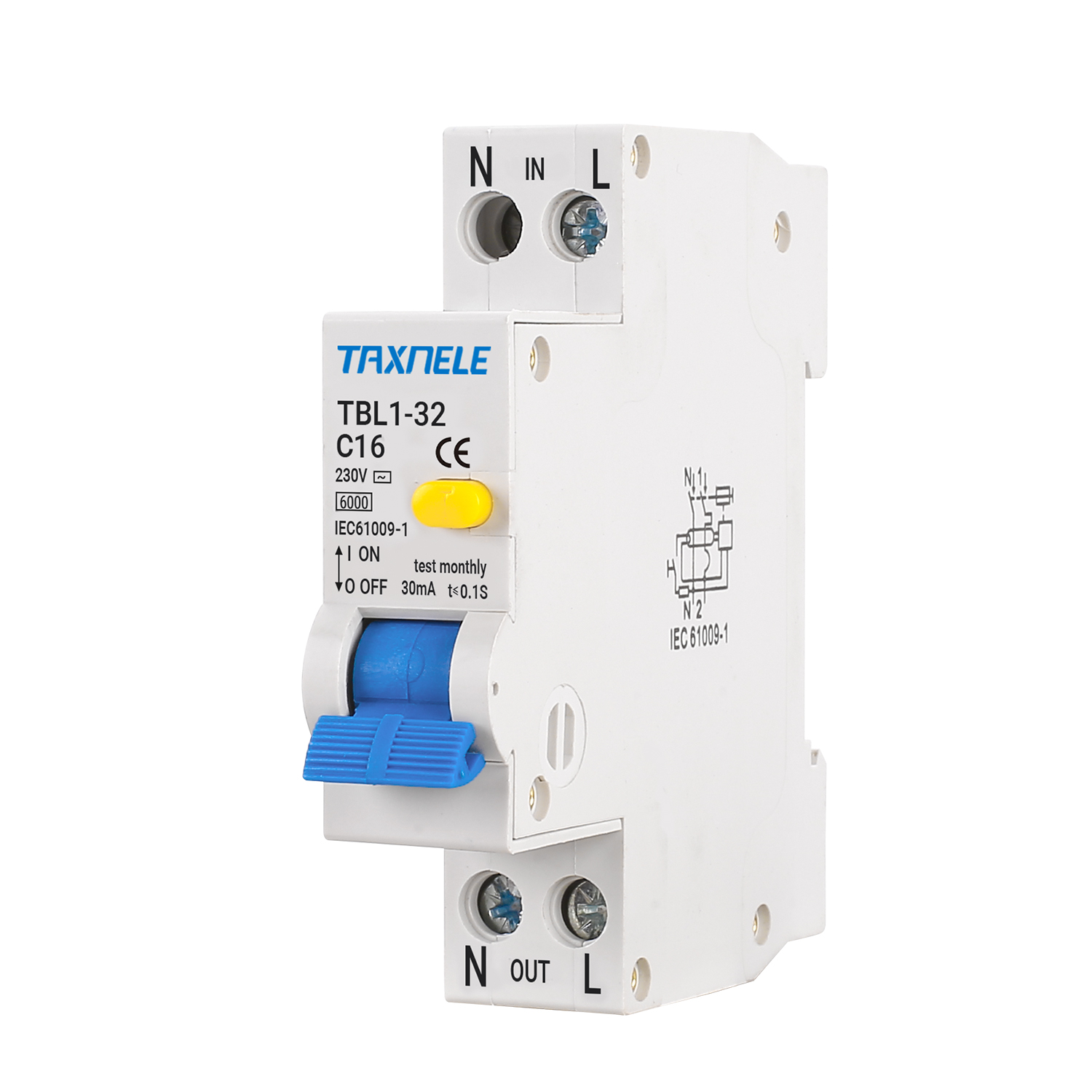
RCBO 1P+N 6KA Residual Current Differential Automatic Circuit Breaker Overcurrent Leakage Protection

SPD 2P Surge Protector Low Voltage AC Distribution Household Lightning Protection Device 20KA 40KA 60KA
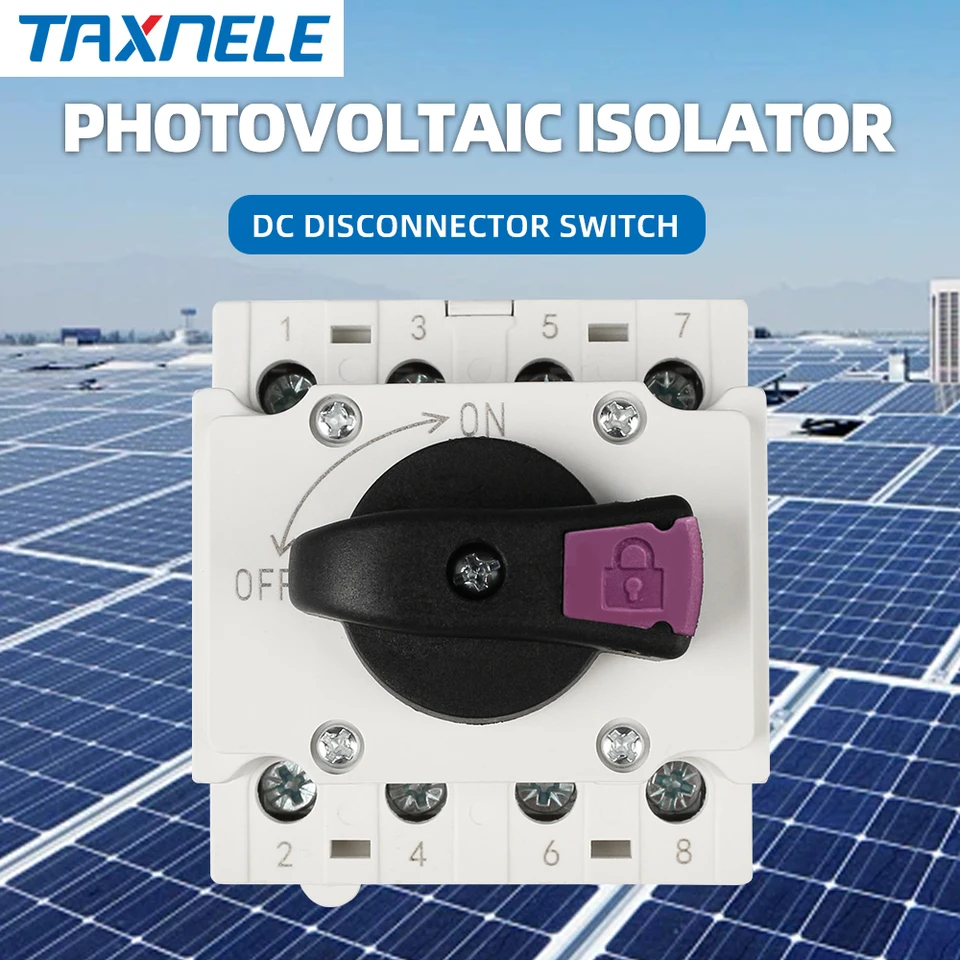
PV Photovoltaic DC 1200V 32A Mini Solar Rotating Handle Isolator Rotary Switch Disconnector Din Rail 4P
1. Global Market Landscape: The Shift to Specialized DC Miniature Circuit Breakers
The global energy transition has driven an unprecedented surge in commercial, industrial, and residential solar photovoltaic (PV) installations, alongside utility-scale battery energy storage systems (BESS). In low-voltage DC power distribution networks, the reliable interruption of direct current presents physical challenges fundamentally distinct from conventional alternating current (AC) grids. As a leading manufacturing hub, China produces over 70% of the world's low-voltage circuit protection hardware, with Yueqing (Wenzhou) acting as the global epicenter for electrical innovation.
For B2B procurement managers, electrical wholesalers, and solar EPC system integrators, selecting a qualified China DC Miniature Circuit Breaker supplier is no longer merely a cost-reduction exercise—it is a critical safety and risk-mitigation strategy. Unlike AC current, which naturally passes through a zero-voltage point 100 or 120 times per second (allowing easy arc extinction), DC current maintains a continuous voltage potential without natural zero-crossings. Consequently, a DC breaker must forcefully extinguish electric arcs using internal permanent magnetic blowouts, extended arc chute grids, and specialized contact geometry.
Zero-Cross Absence
DC arcs do not self-extinguish. Specialized arc chutes and internal permanent magnets are mandatory to stretch and cool the ionized gas plasma instantly.
Non-Polarized Security
Modern PV systems experience bidirectional power flows during battery charge/discharge cycles. Non-polarized DC MCBs prevent catastrophic thermal runaway caused by reverse wiring.
Thermal & Short-Circuit Icu
Rated ultimate short-circuit breaking capacities (Icu) reaching 6kA to 10kA at up to 1000V DC ensure compliance with IEC 60947-2 international standards.
2. Engineering Depth: Arc Extinction Physics, Polarity & Thermal Derating
To establish true Information Gain for electrical engineering teams, we must evaluate the core physics governing DC circuit interruption. When contacts separate under load in a 1000V DC PV circuit, an electric arc forms instantly, reaching plasma temperatures exceeding 6,000°K. Without immediate suppression, this arc will melt the breaker casing, weld contacts together, or initiate catastrophic electrical fires.
2.1 Magnetic Blowout Technology & Arc Chute Geometry
Engineered DC MCBs manufactured by top China factories like Yueqing Favreau Electric Co., Ltd. incorporate high-coercivity permanent magnets adjacent to the silver-alloy contact tips. The Lorentz force generated by these magnets forces the charged arc column away from the contacts and pushes it rapidly into a multi-blade copper-plated arc splitter chamber (arc chute). Within the chute, the arc is subdivided into multiple smaller series arcs, cooled down, and de-ionized within milliseconds.
2.2 Non-Polarized vs. Polarized DC Breakers
Historically, low-cost DC breakers were strictly polarized (marked with + and - terminals). If an installer accidentally wired a battery or solar string in reverse polarity, the internal permanent magnet would pull the arc away from the arc chute into the mechanism chamber, leading to immediate breaker destruction. Advanced B2B procurement now demands Non-Polarized DC Circuit Breakers. Utilizing bidirectional magnetic blowout arrangements, non-polarized breakers extinguish arcs with equal efficacy regardless of power flow direction, significantly reducing site installation errors.
2.3 Ambient Temperature & Thermal Derating Calculations
Solar combiner boxes and inverter enclosures often operate in high-ambient-temperature outdoor environments (ranging from 45°C to 65°C internal enclosure temperatures). Standard nominal current ratings ($I_n$) are calibrated at 30°C per IEC standards. When specifying DC MCBs for desert or tropical PV installations, electrical engineers must apply a thermal derating factor ($K_t$) to prevent nuisance tripping.
| Breaker Rated In (A) | 30°C Operating | 40°C Derated (0.93) | 50°C Derated (0.86) | 60°C Derated (0.78) | Recommended Cable Cross-Section |
|---|---|---|---|---|---|
| 16 A | 16.0 A | 14.88 A | 13.76 A | 12.48 A | 2.5 mm² Solar Cable |
| 25 A | 25.0 A | 23.25 A | 21.50 A | 19.50 A | 4.0 mm² Solar Cable |
| 32 A | 32.0 A | 29.76 A | 27.52 A | 24.96 A | 6.0 mm² Solar Cable |
| 50 A | 50.0 A | 46.50 A | 43.00 A | 39.00 A | 10.0 mm² Copper Cable |
| 63 A | 63.0 A | 58.59 A | 54.18 A | 49.14 A | 16.0 mm² Copper Cable |
3. Industry & Future Procurement Trends in Low-Voltage DC Sourcing (2025–2030)
As global buyers refine their supply chain strategies, several key industry trends are reshaping how B2B buyers source low-voltage protection components from Chinese suppliers:
Trend 1: Evolution Towards 1500V DC Architecture
Commercial & Industrial (C&I) as well as utility-scale PV plants are rapidly migrating from 1000V DC string topologies to 1500V DC. Higher voltage reduces line transmission losses ($I^2R$) and saves on copper cabling costs. Consequently, suppliers are engineering multi-pole cascaded DC MCBs and molded case circuit breakers (MCCBs) capable of interrupting 1500V DC fault currents up to 10kA or 15kA without increasing footprint size.
Trend 2: Smart IoT-Connected Breakers with Micro-Telemetry
The convergence of power electronics and digital control has created high demand for Tuya WiFi Smart Circuit Breakers and RS485 Modbus-enabled protection devices. B2B buyers are integrating smart breakers into energy management systems (EMS) to monitor real-time voltage, active current, power factor, power consumption (kWh), temperature rise, and earth-leakage current. Remote trip and auto-reclose features enable off-grid solar sites and telecom base stations to be maintained without expensive field service visits.
Trend 3: Environmental Standards & Flame-Retardant Polymer Housings
Strict European and North American regulations (such as REACH, RoHS 3.0, and UL94-V0 flame retardance) require OEMs to eliminate hazardous flame retardants (like polybrominated diphenyl ethers) and heavy metals. Leading manufacturers utilize high-rigidity halogen-free PA66 nylon casing reinforced with fiberglass, guaranteeing zero fire propagation and structural integrity up to 950°C glowing wire test standards.
Trend 4: Low-MOQ Flexibility & Direct Factory White-Labeling
Traditional B2B procurement required multi-container commitments for custom-branded circuit breakers. Today's dynamic market favors suppliers like Favreau Electric that offer direct OEM/ODM customization—including laser marking, custom trip threshold adjustments, and customized localized box designs—starting from accessible minimum order quantities (MOQ as low as 10 pieces per model).
Critical Procurement Checklist for DC Breaker Quality Audit
When inspecting factory samples or evaluating prospective OEM partners in Yueqing/Wenzhou, verify the following 4 engineering benchmarks:
- Silver Contact Content: Ensure contact rivets contain at least 85% to 90% AgCdO or AgSnO2 alloy to prevent contact welding under short-circuit conditions.
- Arc Chute Blade Count: High-quality 1000V DC MCBs should feature a minimum of 9 to 13 copper-plated steel blades per pole to guarantee fast arc splitting.
- Bimetallic Strip Calibration: The thermal-magnetic tripping mechanism must undergo 100% automated current injection testing to verify Type B, C, or D trip curve adherence.
- Third-Party Audit: Verify SGS, TÜV, or Intertek factory audit reports confirming ISO 9001 quality management compliance.
4. Enterprise Manufacturing & OEM Sourcing Advantages: Favreau Electric
Located in the heart of China's electrical apparatus capital—Sulu Industrial Zone, Yueqing, Wenzhou—Yueqing Favreau Electric Co., Ltd. stands out as a high-integrity manufacturer and global exporter of low-voltage electrical protection, solar DC components, and smart energy meters.
Integrated Ecosystem
Direct proximity to raw material suppliers, precision stamping facilities, and mold-making centers allows us to maintain strict cost control and ultra-fast R&D turnaround times.
SGS Audited & CE Certified
Our manufacturing facility and product lines are independently verified on-site by SGS Group. Product series carry complete CE, RoHS, and ISO 9001 documentation.
Low Sample MOQ & OEM Support
We welcome sample orders starting from just 10 pieces. Full custom private labeling, laser pad printing, special voltage parameter tuning, and branded packaging are available.
Whether you require standard 2P 1000V 63A DC MCBs for solar PV combiners, AC surge arresters, ATS automatic dual power switches, or advanced Tuya smart circuit breakers, Favreau Electric provides an end-to-end protection chain for modern electrical distribution boards.
5. Frequently Asked Questions (FAQ) for Global Buyers & Importers
AC breakers rely on the natural zero-voltage point of alternating current (occurring 100–120 times per second) to extinguish arcs. DC current does not cross zero, so a DC breaker requires internal permanent magnets, specialized arc splitter chutes, and larger contact gaps to stretch and extinguish the arc safely without burning out the device.
It is strongly discouraged. In battery storage systems where power flows in one direction during charging and the opposite during discharging, polarized DC breakers can fail catastrophically if tripped during reverse flow. For battery lines and hybrid inverters, always specify Non-Polarized DC Miniature Circuit Breakers like Favreau's 2P 1000V series.
Our standard MOQ for standard DC MCBs, surge arresters, and smart circuit breakers is only 10 pieces per model, making initial sample evaluation effortless. For custom logo printing, custom packaging, or localized trip curve adjustments, OEM production lead times typically range from 7 to 15 business days depending on volume.
Favreau Electric provides full CE conformity certificates, Low Voltage Directive (LVD) & Electromagnetic Compatibility (EMC) test reports, RoHS compliance documentation, and factory ISO 9001 certificates. Complete SGS on-site factory audit reports are also available upon request.
Select a DC MCB with a rated operating voltage ($U_e$) equal to or greater than the maximum string open-circuit voltage ($V_{oc}$) calculated at the lowest expected ambient site temperature. The rated current ($I_n$) should be sized at least 1.25 times the string short-circuit current ($I_{sc}$), adjusting for thermal derating inside the enclosure.
We offer flexible incoterms including FOB Ningbo/Shanghai, CIF, CFR, EXW, FCA, DDP, and DDU. Accepted payment methods include T/T (Telegraphic Transfer), L/C at sight, Western Union, PayPal, and Credit Card.
Partner with a Trusted China DC Circuit Breaker Manufacturer
Looking for reliable DC MCBs, solar surge arresters, smart WiFi breakers, or ATS switches? Request factory-direct pricing, technical datasheets, and certificate copies today.
Send an Inquiry