Featured Commercial & Industrial PV Protection Range
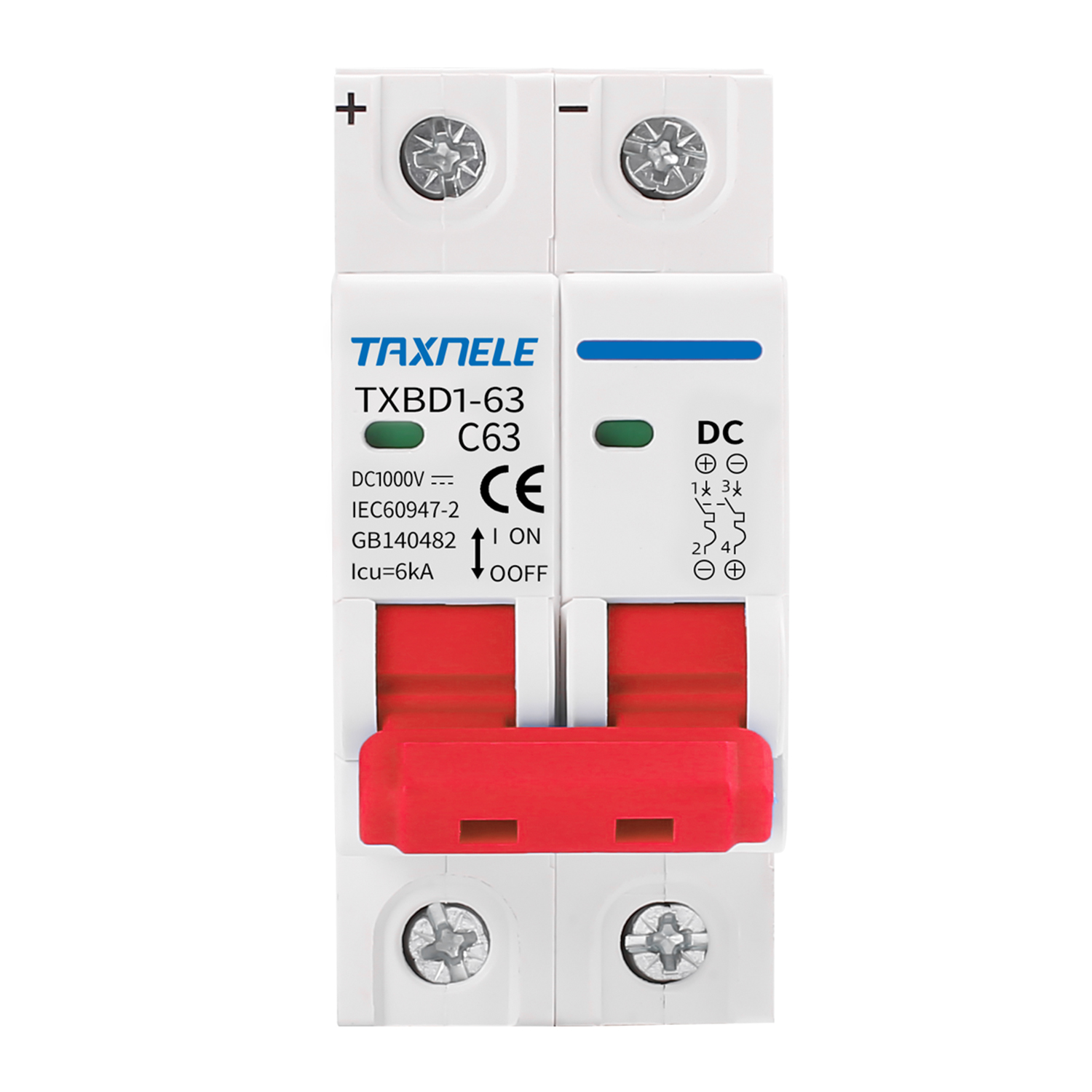
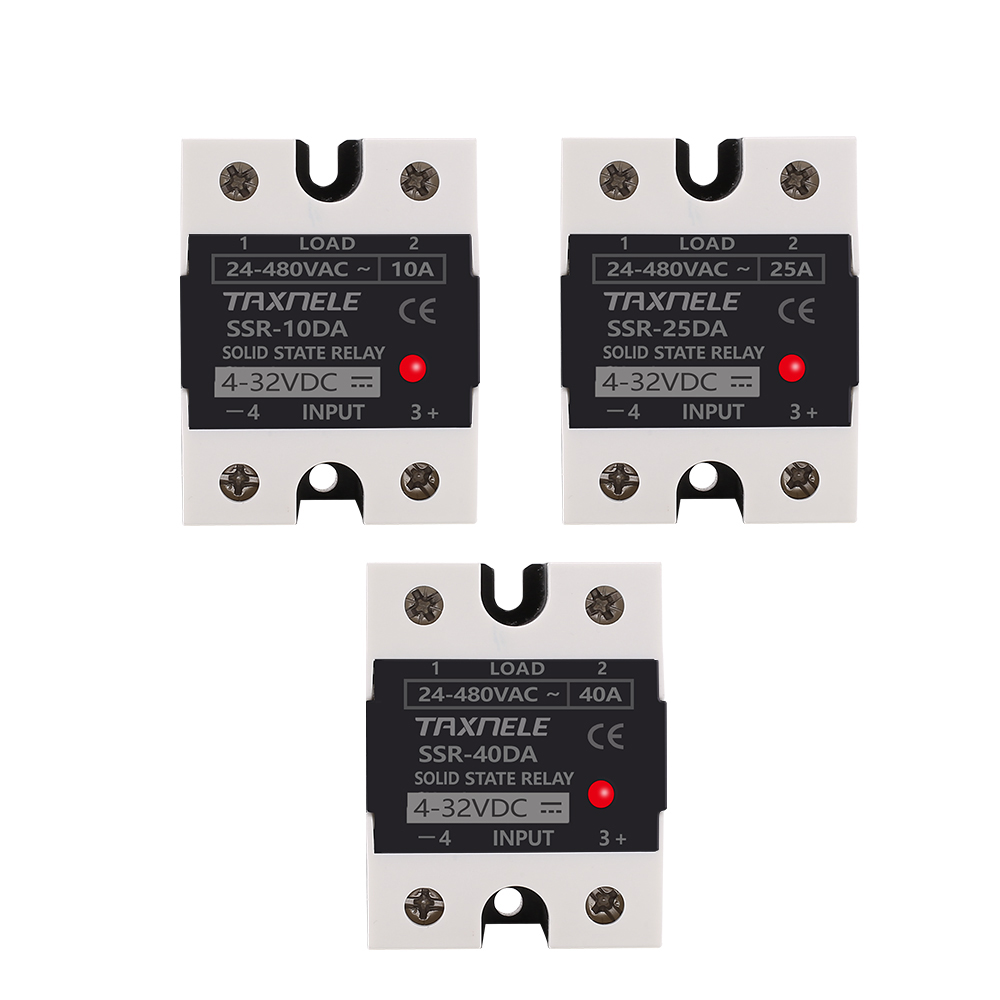
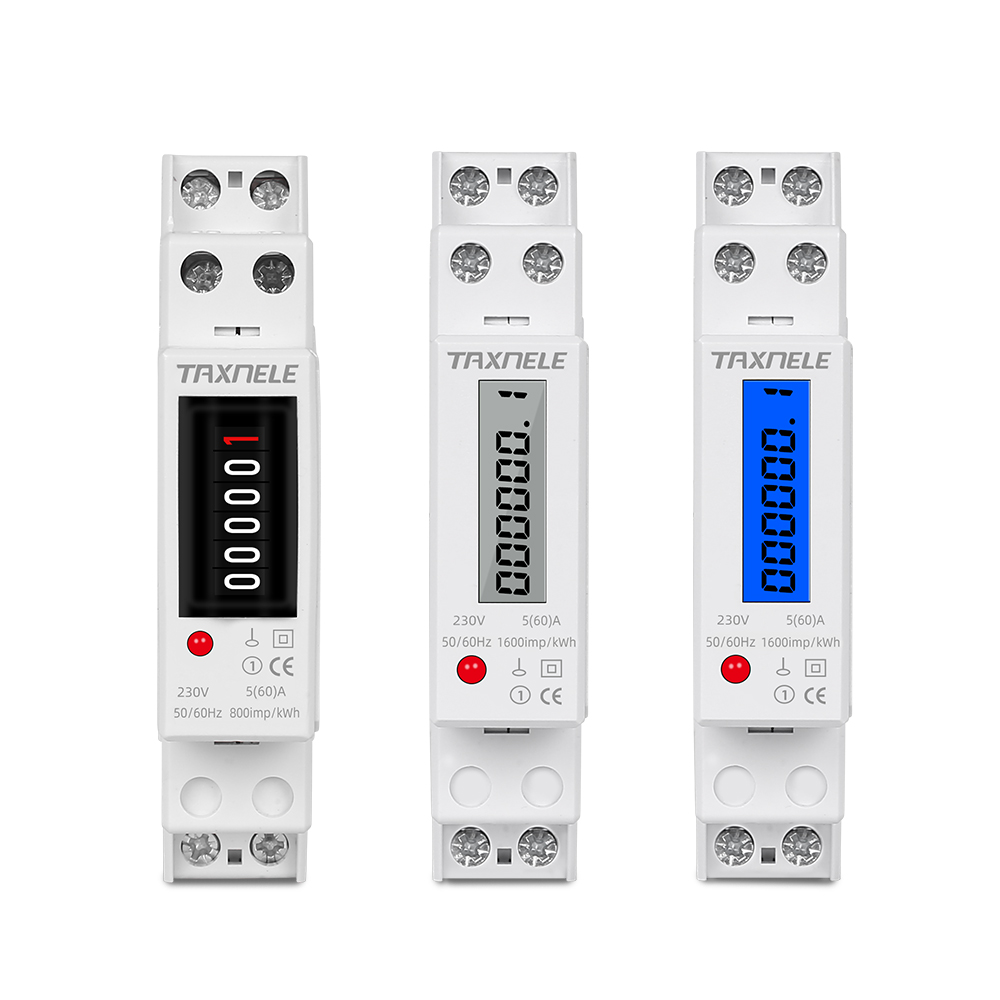
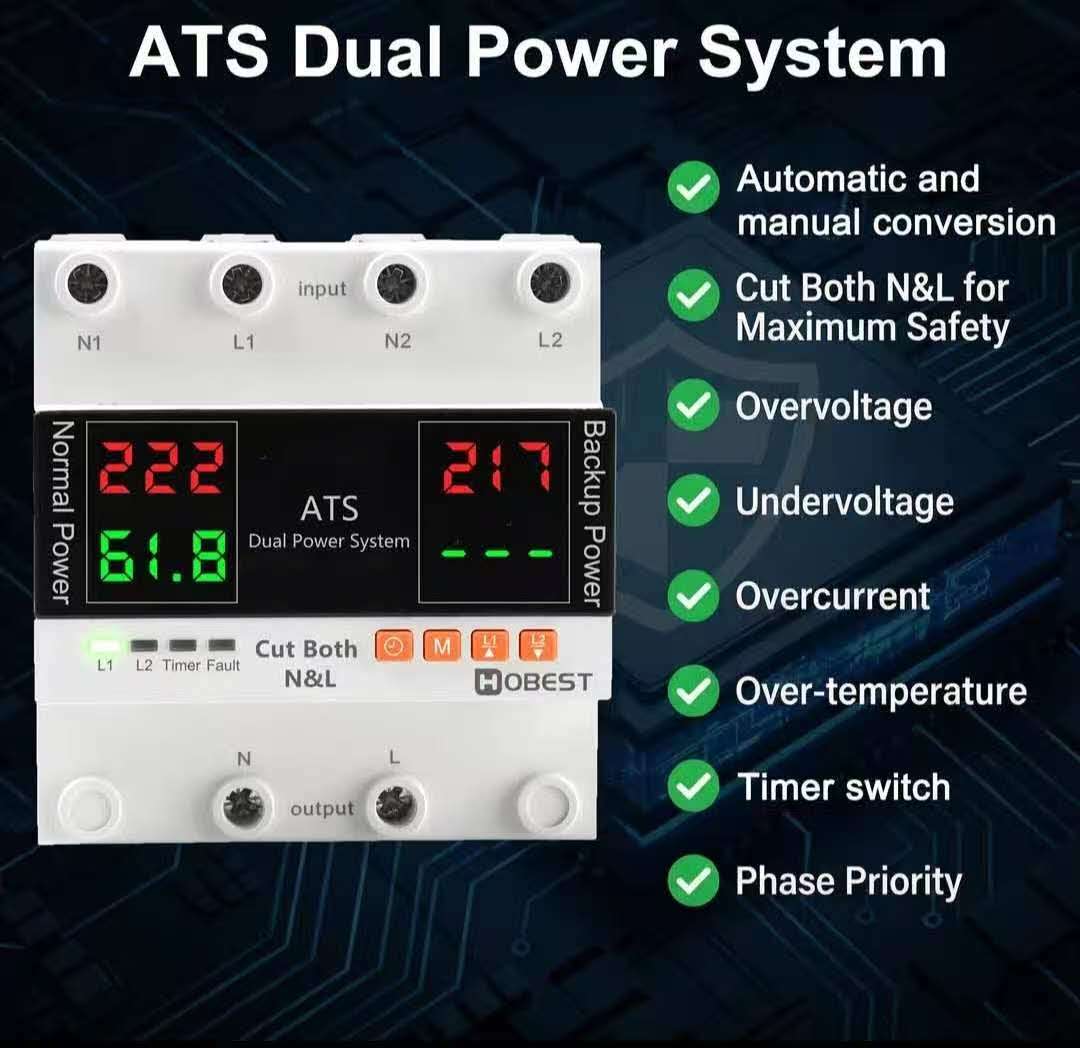
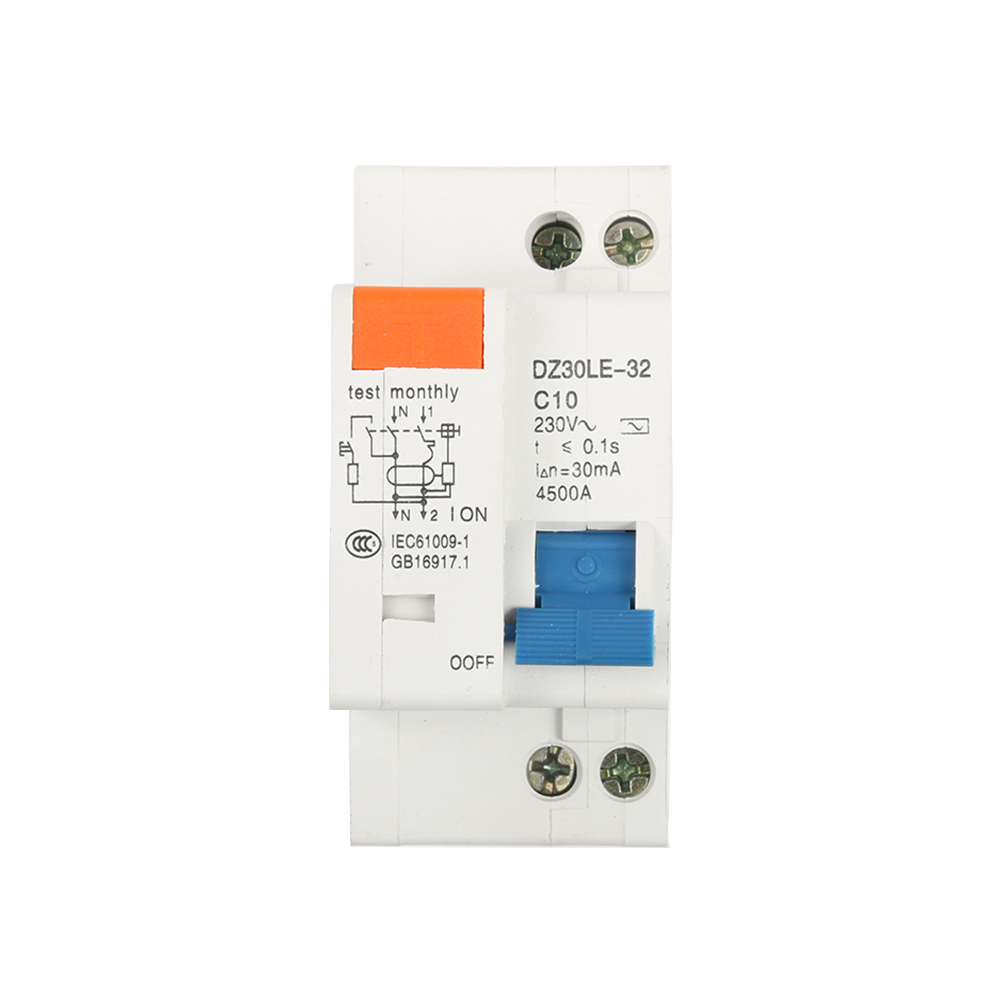
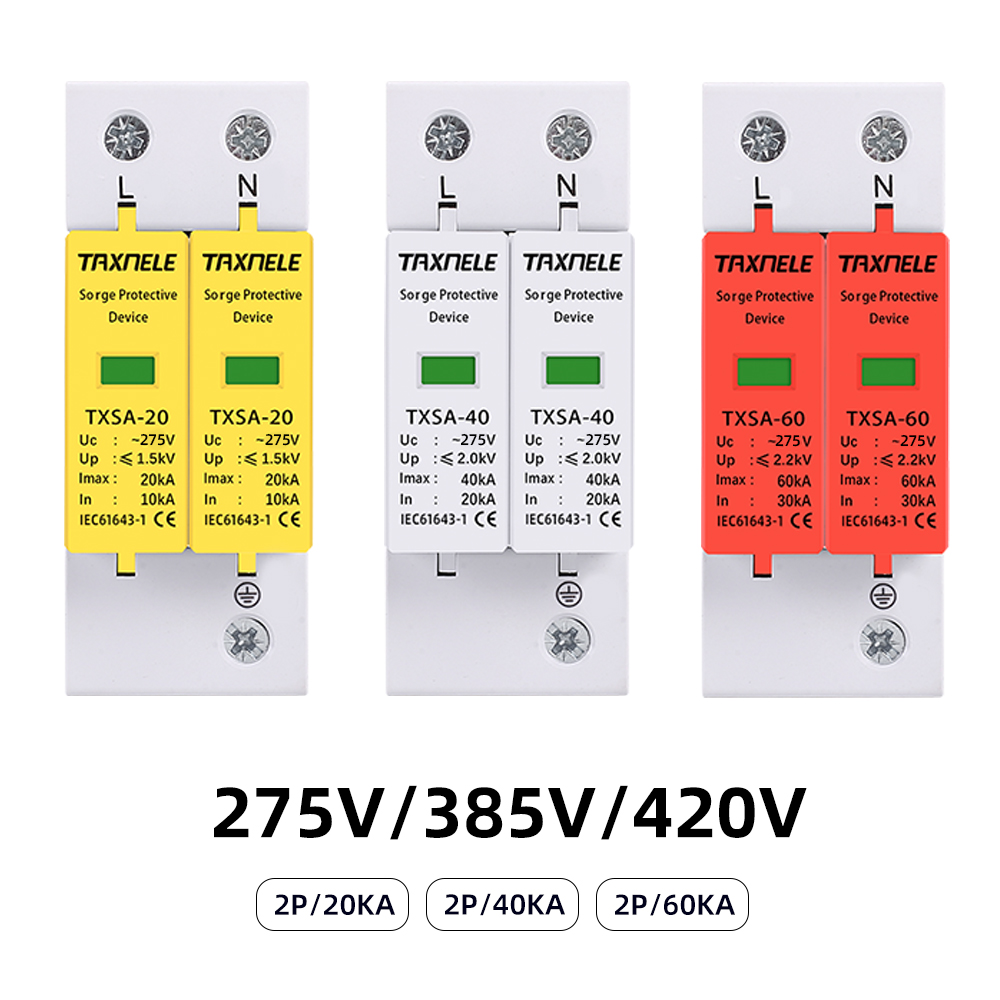
Direct from verified production lines: High-precision DC MCBs, solid-state relays, smart energy meters, automatic transfer switches, and surge protective devices manufactured under strict ISO 9001 and CE quality management.

1. Executive Blueprint: Why DC MCCB Architecture Dictates Solar & Battery Energy Storage Systems (BESS) Safety
In modern high-capacity renewable energy systems, the direct-current (DC) Molded Case Circuit Breaker (MCCB) represents the primary line of defense protecting megawatt-scale photovoltaic (PV) arrays, central inverters, electric vehicle (EV) supercharging hubs, and Battery Energy Storage Systems (BESS). Unlike traditional alternating-current (AC) distribution networks where current periodically passes through a zero-voltage crossing point 100 or 120 times per second—allowing electric arcs to extinguish naturally—DC current flows continuously. This physical property makes DC electric arcs notoriously stubborn, high-energy, and capable of generating sustained plasma temperatures exceeding 6,000°C if not interrupted instantaneously.
Engineering a robust DC MCCB requires specialized internal geometry. When a short circuit or overcurrent fault occurs, the internal thermal-magnetic or electronic trip units trigger contact separation. The breaker must force the resulting DC arc into specially designed arc chute chambers using permanent magnets and magnetic blow-out coils. These components stretch, cool, and segment the arc into smaller series arcs until the total arc voltage exceeds the system operating voltage, forcing the current flow to collapse to zero within milliseconds.
As solar PV systems shift from 1000V DC string topologies to 1500V DC centralized and high-power string inverter architectures, procurement officers, OEM panel builders, and EPC contractors must evaluate suppliers based on breaking capacity ($I_{cu}$ / $I_{cs}$), thermal derating curves at elevated site temperatures (45°C to 60°C), magnetic arc suppression mechanisms, and long-term contact resistance stability.
2. Comprehensive Evaluation: Top 10 Global DC MCCB Factories & Suppliers Benchmark
To provide actionable intelligence for global B2B buyers, distributors, and engineering teams, the following benchmark synthesizes manufacturing volume, technical compliance, customization capability (OEM/ODM), pricing competitiveness, and quality assurance frameworks across the leading 10 international suppliers.
1. Yueqing Favreau Electric Co., Ltd.
SGS Verified OEM LeaderHeadquartered in the Sulu Industrial Zone of Yueqing, Wenzhou—China's flagship hub for electrical engineering—Favreau Electric stands as an agile, high-precision manufacturer specializing in low-voltage protection, DC solar breakers, AC/DC surge protective devices, and smart metering devices.
- Core Competency: Flexible OEM/ODM production lines for DC MCCBs, 2P/4P DC MCBs (up to 1000V/1500V DC), ATS, and Tuya Smart IoT breakers.
- Factory Credentials: ISO 9001 certified, SGS-assessed premises, CE & RoHS compliant testing.
- B2B Advantage: Ultra-flexible MOQs starting at 10 pcs, custom trip parameter calibration, custom private-label front panel artwork, and direct engineering support.
2. ABB Group
European Tier-1 TierA global pioneer in power and automation technologies. ABB's Sace Tmax PV and Sace Emax DC series are widely specified in tier-1 utility-scale solar farms and commercial microgrids globally.
- Core Range: High-voltage DC MCCBs up to 1500V DC, 160A to 1600A rated current.
- Market Position: Premium engineering brand with extensive international certifications (UL, IEC, CCC). Higher price tier and rigid lead times.
3. Schneider Electric
Global Industrial GiantFrench multinational renowned for electrical distribution equipment. Schneider's Compact NSX DC series provides comprehensive protection for DC distribution networks, marine, and solar installations.
- Core Range: 1P to 4P DC Molded Case Circuit Breakers, integrated trip units, and digital communication add-ons.
- Strengths: Global distribution footprint and standardized accessories; highly restricted OEM customization for mid-tier brands.
4. Siemens AG
German EngineeringGermany-based technological power house offering Sentron 3VA series DC breakers designed for complex industrial automation, data center DC busways, and PV string switching.
- Core Range: Advanced electronic trip units, high breaking capacity up to 100kA under DC-rated conditions.
- Target Sector: Large European and North American infrastructure and EPC enterprise projects.
5. Eaton Corporation
North American StandardA major player in power management solutions. Eaton's Power Defense and Bussmann series cater to stringent UL 489B DC solar and industrial battery protection requirements.
- Core Range: Heavy-duty industrial DC MCCBs with high magnetic blow-out capabilities.
- Strengths: Strong presence in North American grid infrastructure; longer procurement cycles for international buyers.
6. Chint Electrics Co., Ltd.
Mass Manufacturing HubOne of China's largest electrical equipment manufacturers, supplying the NXM DC series for mass-market residential and commercial PV combiners.
- Core Range: Economy-to-mid range 2P/4P DC MCCBs up to 1250V DC.
- Market Dynamics: High volume production; rigid standard packaging with minimum order quantities required for custom branding.
7. Sungrow Power Supply Co.
PV System IntegratorPrimary focus on solar inverters and energy storage systems, producing integrated DC switching modules optimized for direct inverter pairing.
- Core Focus: Turnkey DC combiners, high-current DC isolators, and proprietary BESS protection panels.
- Target Audience: Major utility-scale solar project developers and system integrators.
8. LS ELECTRIC Co., Ltd.
South Korean LeaderSouth Korea's leading electrical apparatus manufacturer, offering Susol DC MCCBs recognized for compact design and fast response trip mechanisms.
- Core Range: Susol & Metasol DC breaker lines engineered for industrial sub-stations and energy storage units.
- Strengths: High quality control and reliable performance across Asia-Pacific markets.
9. Mitsubishi Electric
Precision ManufacturingJapanese electrical engineering titan producing NF-ND series DC breakers tailored for railway systems, telecommunication DC power plants, and specialized solar sites.
- Core Focus: High reliability under extreme vibration and heavy cyclic loading conditions.
- Market Niche: Critical infrastructure and high-end industrial power protection.
10. Timsun Electric Co., Ltd.
Specialized SwitchingZhejiang-based electrical specialist focusing on custom industrial circuit breakers, molded case switch-disconnectors, and specialized DC components.
- Core Range: Custom DC molded case isolators and thermal-magnetic circuit breakers up to 800A.
- Market Strategy: Supporting regional importers and panel shops across Eastern Europe and Southeast Asia.
3. Technical Development & Evolutionary Trends in DC MCCB Manufacturing
Driven by the global energy transition, grid modernization, and high-density battery energy storage, DC circuit breaker engineering is undergoing rapid technological evolution. Importers, product directors, and system engineers must monitor four critical technical shifts when selecting a long-term supply partner:
Migration from 1000V to 1500V DC architectures in solar farms reduces balance-of-system (BOS) cabling costs by 20%. Next-generation DC MCCBs utilize multi-chamber series arcing channels to safely interrupt higher DC system voltages.
Combining mechanical contact separation with solid-state semiconductor switches and permanent neodymium magnetic blow-out units enables arc quenching speeds under 5 milliseconds, drastically lowering contact erosion.
Integration of real-time current, voltage, and contact temperature sensing via Modbus-RTU and wireless protocols (Tuya/Zigbee) allows predictive maintenance before thermal breakdown occurs in distribution boards.
Modern DC MCCB enclosures utilize high-grade, halogen-free, flame-retardant thermoplastics (UL94 V-0 rated) to prevent smoke toxicity and environmental degradation during high-temperature operations.
4. Future B2B Procurement Trends & Global Supply Chain Dynamics
The global market for DC circuit breakers is expanding rapidly, projected to grow at a CAGR exceeding 8.5% through 2030. Sourcing executives face distinct supply chain dynamics that demand strategic supplier evaluation:
A. Demand for Low-MOQ Customization and Private Labeling
Overseas distributors and regional electrical brand owners are shifting away from rigid multi-container minimum order commitments. Importers require manufacturers capable of offering small-batch OEM/ODM customization (e.g., MOQs from 10 to 100 units), custom laser-engraved branding, region-specific voltage calibrations, and localized packaging to test emerging regional solar markets without tying up excess working capital.
B. Dual-Sourcing & Supply Chain Risk Mitigation
While tier-1 European brands provide high brand awareness, extended lead times (often 16 to 26 weeks) and high price premiums have pushed global EPCs to establish qualified dual-sourcing partnerships with direct manufacturers in China's Yueqing/Wenzhou industrial cluster. Verified factories equipped with SMT lines, automated wave-soldering, and 100% full-load functional testing provide equivalent technical compliance at significantly reduced lead times (2 to 4 weeks).
C. Mandatory Certification Bundling for Fast Custom Clearance
Regulatory bodies across Europe (CE, RoHS), South America (INMETRO), the Middle East (SASO), and Southeast Asia strictly enforce low-voltage compliance. Sourcing managers must mandate that suppliers provide complete, verifiable test report packages (LVD, EMC, IEC 60947-2) for every shipment batch prior to container dispatch.
5. Engineering Selection Matrix & DC Breaker Sizing Guidelines
To assist system integrators and panel builders in selecting the appropriate DC protective device, use the standardized engineering criteria and mathematical verification methods below:
$$I_{n} \ge I_{sc\_string} \times 1.25 \times N_{strings}$$ Where $I_{sc\_string}$ is the array short-circuit current and $1.25$ represents the continuous duty safety factor per IEC 62548.
| Application Scenario | Recommended Device Type | Voltage & Current Range | Critical Engineering Parameter |
|---|---|---|---|
| Solar PV String Combiner Box | 2P DC MCB / Mini Breaker | 500V – 1000V DC | 6A – 63A | Non-polarity sensitive, fast arc chute response |
| Central Inverter DC Main Input | DC Molded Case Breaker (MCCB) | 1000V – 1500V DC | 100A – 800A | High breaking capacity ($I_{cu} \ge 25\text{kA}$), adjustable thermal trip |
| Battery Energy Storage System (BESS) | 2P / 4P High-Current DC MCCB | 250V – 1000V DC | 150A – 400A | Bi-directional fault current interruption capability |
| EV Fast Charging Station Busway | Electronic Trip DC MCCB | 750V – 1000V DC | 250A – 630A | Short-time delay protection ($I_{sd}$) & telemetry interface |
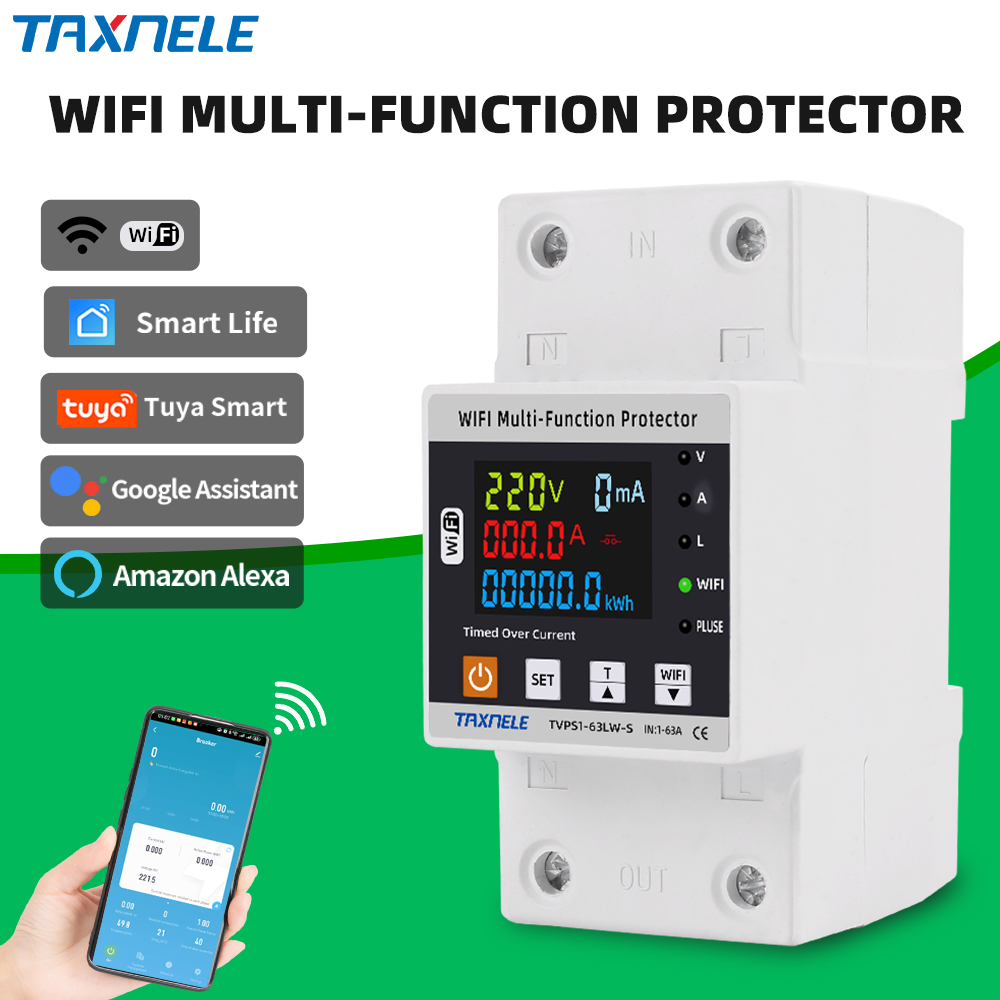
| Residential PV Micro-Inverter / AC Grid | WiFi Smart Breaker / RCBO | 220V AC / 1000V DC | 16A – 63A | Tuya app monitoring, over/under voltage & leakage protection |
6. Yueqing Favreau Electric: Direct Factory Capabilities & OEM Advantages
As detailed in our benchmark, Yueqing Favreau Electric Co., Ltd. has established itself as a trusted partner for global B2B buyers seeking factory-direct pricing, fast production turnarounds, and rigorous quality assurance.
Situated in Yueqing, Wenzhou—China's low-voltage electrical capital—giving direct access to top-tier raw materials, precision molding, and certified testing facilities.
Production facilities, assembly lines, testing equipment, and trade capacities independently audited and verified onsite by SGS Group.
Full customization: Private label artwork, customized trip curves, tailored terminal block configurations, and bespoke retail box designs from 10 pcs.
Every single DC breaker undergoes automated thermal calibration, magnetic trip verification, contact resistance check, and high-voltage dielectric testing.
7. Exhaustive B2B Sourcing FAQ (User Intent Mining)
Clear answers to common technical and commercial queries faced by importers, electrical engineers, and purchasing officers when procuring DC MCCB units:
Accelerate Your Low-Voltage Electrical Sourcing
Partner directly with Yueqing Favreau Electric Co., Ltd. Get instant access to factory-direct wholesale pricing, comprehensive datasheets, CE/RoHS test reports, and customized OEM samples for your market.