Featured Electrical Protection & Smart Metering Lineup
Factory-direct circuit breakers, surge protectors, energy meters, and smart relays compliant with IEC/EN international standards.
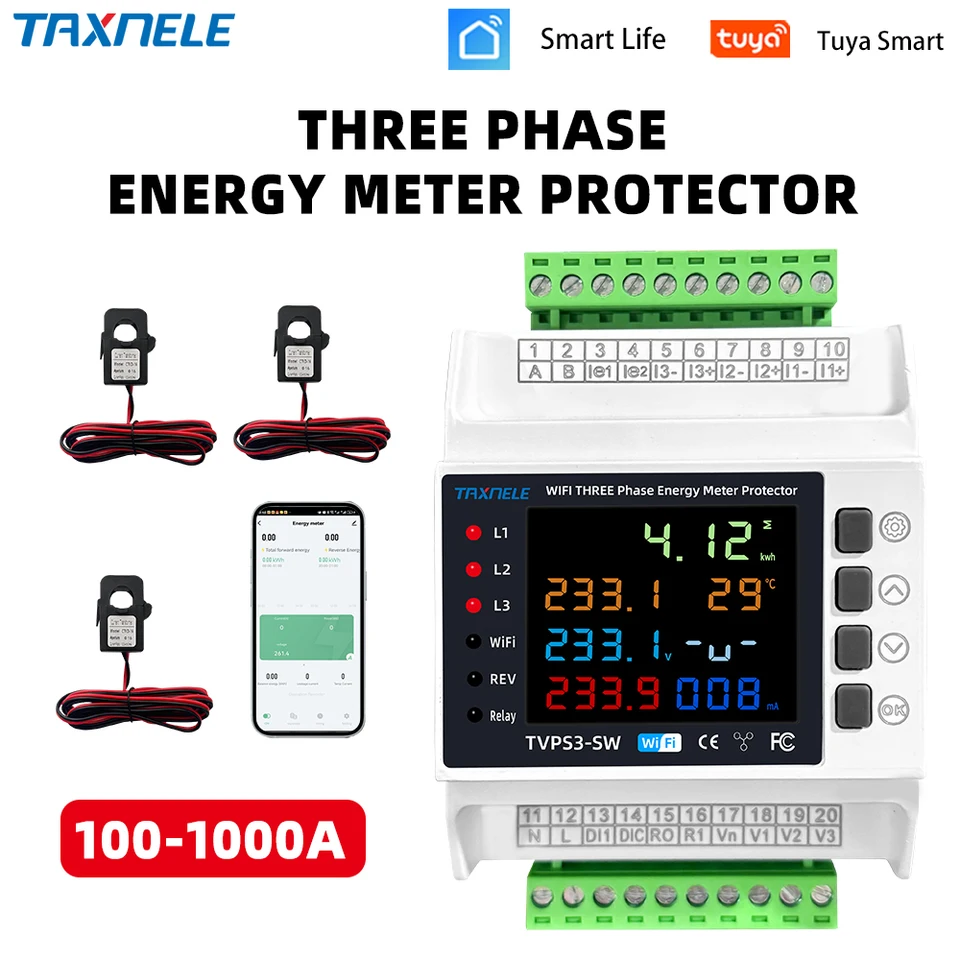
• Over/Under Voltage Relay
• Real-time kWh Net Metering
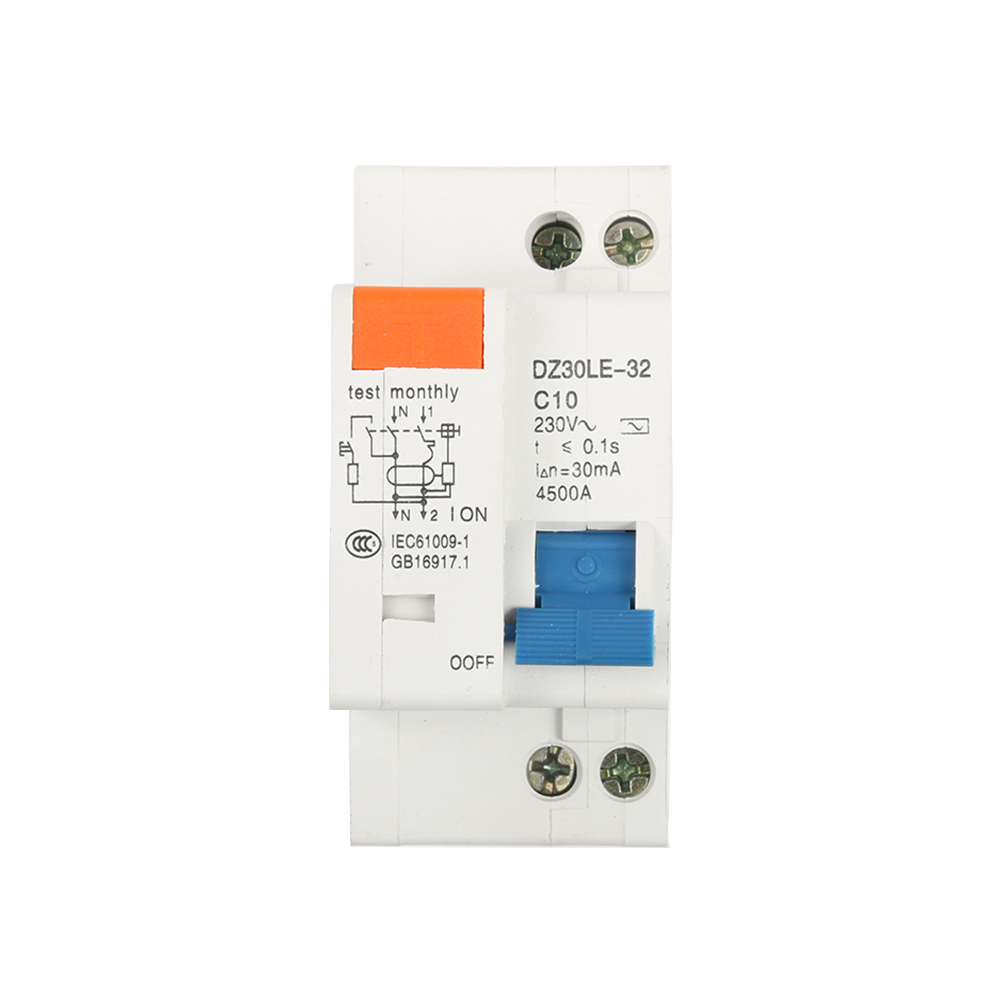
• Overcurrent & Leakage Protection
• Rated Current up to 32A
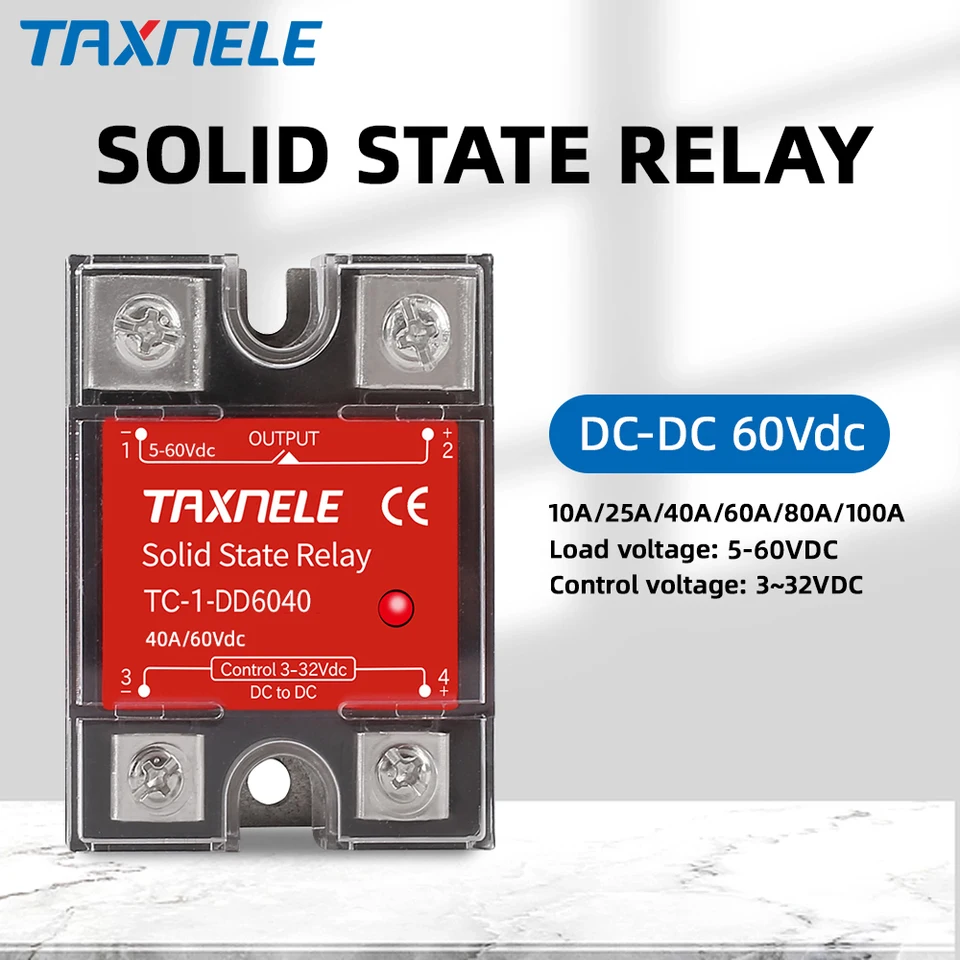
• Fast Solid-State Switching
• High Thermal Dissipation
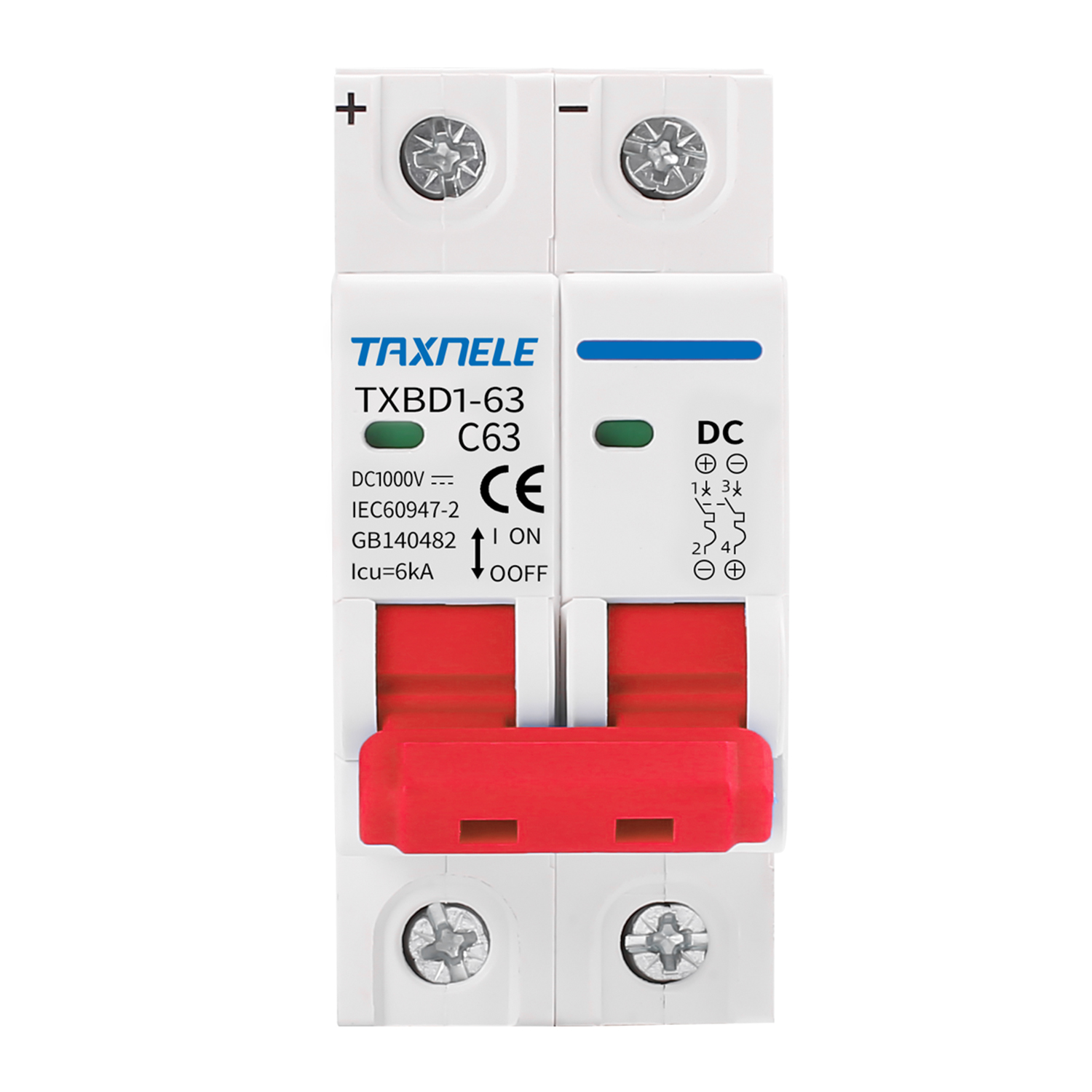
• Arc Quenching Magnetic Blowout
• IEC 60947-2 Standard
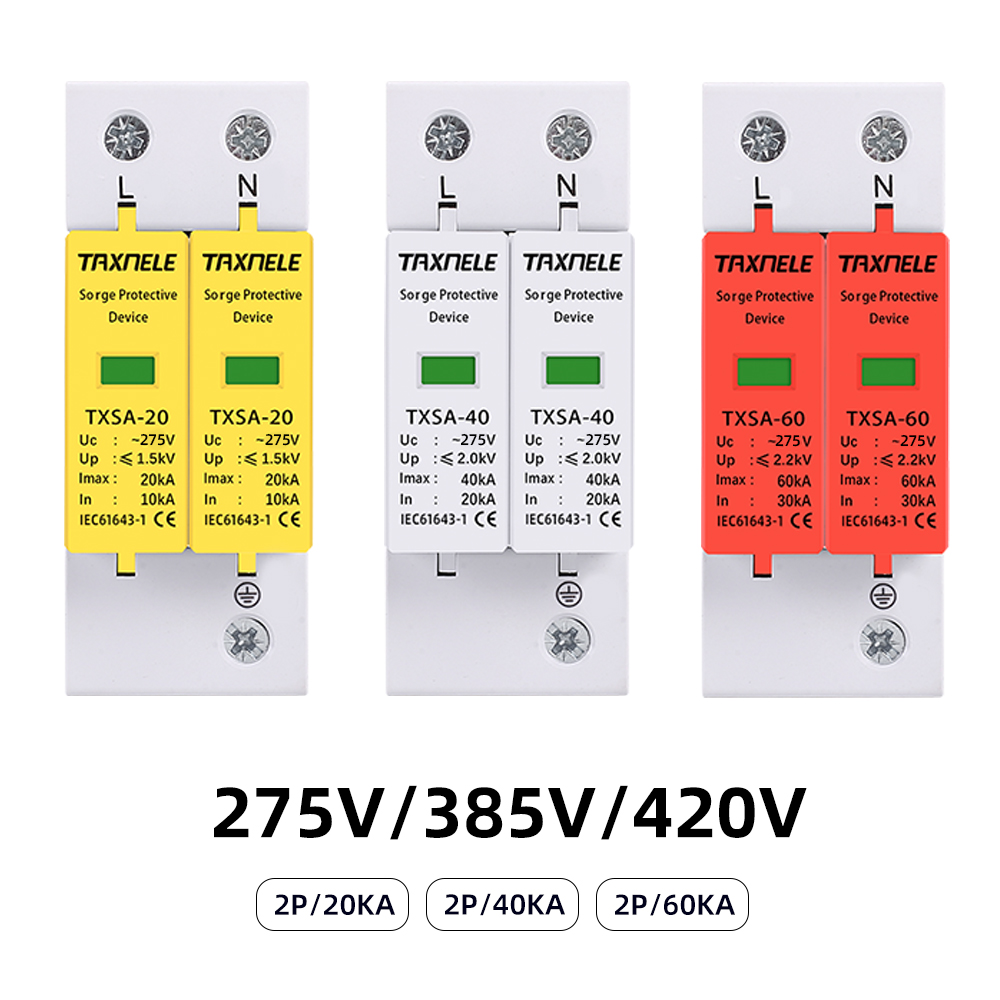
• DIN Rail Quick Mount
• Modular Replaceable Cartridge

• Response Time < 25ns
• Thermal Disconnector Built-in
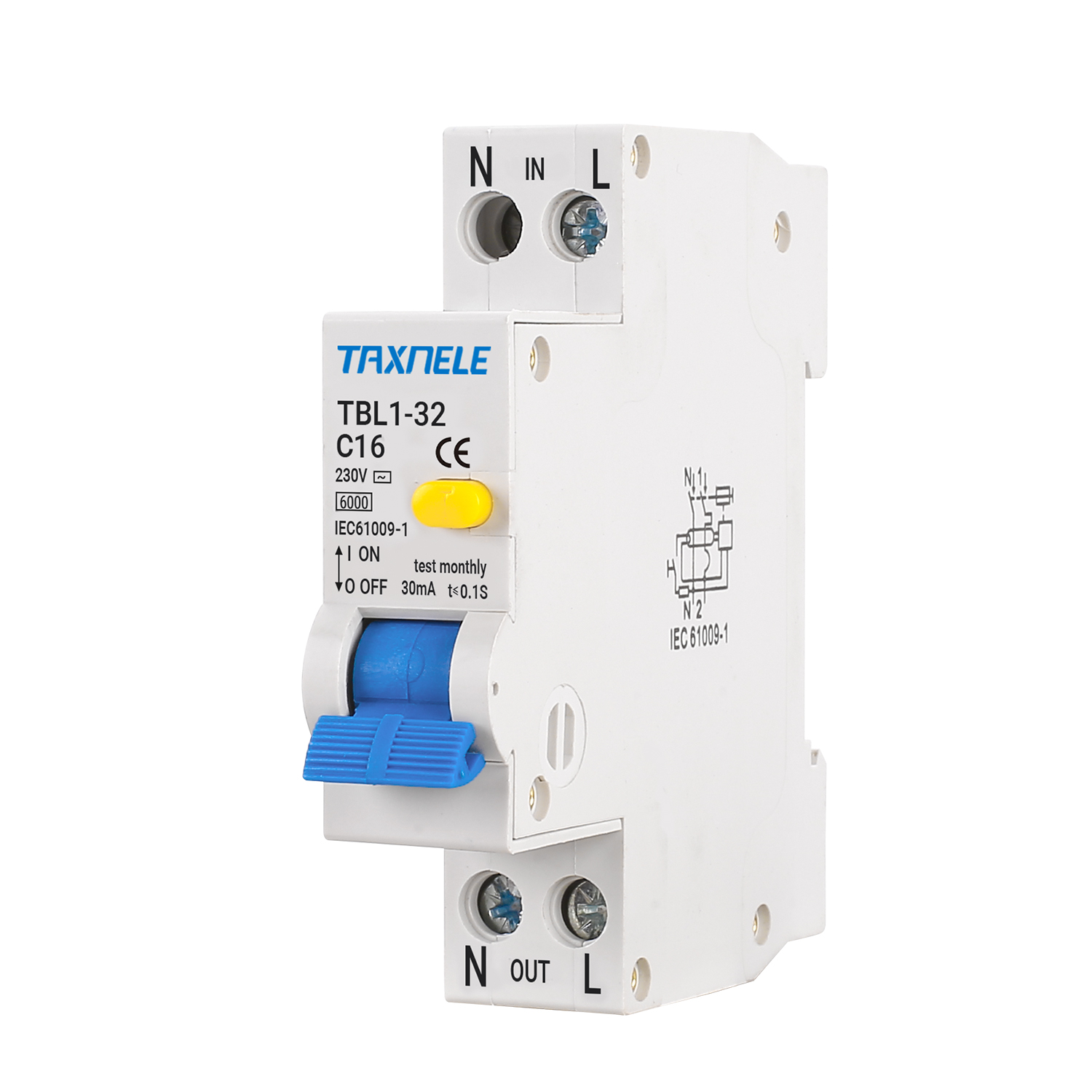
• Slimline 18mm Module
• 50/60Hz Dual Frequency

• Automated Voltage Cut-off
• Real-time Energy Monitoring
1. Engineering Whitepaper: DC Breaking Mechanics in Renewable Energy Networks
The global transition toward solar photovoltaic (PV) generation, battery energy storage systems (BESS), and electric vehicle (EV) charging infrastructure has driven unprecedented demand for high-performance Direct Current Miniature Circuit Breakers (DC MCBs). Unlike Alternating Current (AC) systems where the voltage waveform naturally passes through zero volts sixty times per second (a physical phenomenon known as zero-crossing), Direct Current maintains a continuous magnitude and direction. This structural difference creates a significant technical challenge: continuous electric arcs do not extinguish naturally upon contact separation.
When a fault current occurs in a 1000VDC solar string, separating the breaker contacts draws a sustained plasma arc that can reach temperatures exceeding 4,000°C. To successfully extinguish this arc, modern DC MCB designs employ permanent magnetic blowout fields paired with arc chutes comprising specialized splitter plates. The magnetic field exerts a Lorentz force on the charged particles in the arc, rapidly forcing the plasma into the arc chute where it is stretched, cooled, and segmented into harmless series micro-arcs until the dielectric strength of the air gap exceeds the system voltage.
| Electrical Characteristic | AC Circuit Breakers (Standard MCB) | DC Circuit Breakers (Solar PV Specialized) |
|---|---|---|
| Arc Extinction Mechanism | Relies on natural sinusoidal zero-crossing point. | Requires active permanent magnets and magnetic blowout chutes. |
| Polarity Sensitivity | Non-polarized (Bi-directional AC waveform). | Often polarized (must follow positive/negative terminal markings) or specially built non-polarized. |
| Breaking Capacity (Icu) | Typically rated at 230V/400V AC up to 10kA. | Rated at 250VDC per pole up to 1000VDC 2P/4P configurations. |
| Primary Standards | IEC 60898-1 / EN 60898-1 | IEC 60947-2 / EN 60947-2 & IEC 60898-2 |
2. Global Procurement Benchmarking: Top 10 DC MCB Factories & Suppliers
Navigating the global supply chain for low-voltage electrical protection requires evaluating factories across technical capability, manufacturing automation, quality control compliance, OEM flexibility, and total cost of ownership (TCO). Below is an authoritative comparative matrix evaluating the top 10 global manufacturers and suppliers of DC MCBs and related distribution equipment.
1. Yueqing Favreau Electric Co., Ltd.
Headquarters: Wenzhou, Zhejiang, China
Core Strengths: Specializes in high-efficiency DC mini circuit breakers up to 1000VDC, PV surge protectors, and Tuya-integrated IoT smart breakers. Offers exceptionally flexible OEM/ODM terms with low minimum order quantities (10 pcs).
Best For: B2B Importers, PV Installers, and Switchboard Assemblers seeking high price-to-performance ratio and customized parameter tripping curves.
2. ABB Ltd.
Headquarters: Zurich, Switzerland
Core Strengths: Industry-benchmark S200M UC series designed for both DC and AC applications. Uncompromising quality control and extensive global utility certifications.
Best For: Utility-scale solar infrastructure and heavy industrial automation projects with unlimited procurement budgets.
3. Schneider Electric
Headquarters: Rueil-Malmaison, France
Core Strengths: Acti9 C60PV-DC range engineered specifically for multi-string photovoltaic installations. High mechanical endurance and seamless integration with EcoStruxure platforms.
Best For: Commercial enterprise buildings and standardized European electrical distribution grids.
4. Eaton Corporation
Headquarters: Dublin, Ireland / USA
Core Strengths: Heavy-duty molded case and miniature DC protection built for commercial energy storage, EV fast-charging stations, and industrial microgrids.
Best For: North American UL 489B compliant solar installations and heavy manufacturing plants.
5. CHINT Electrics
Headquarters: Zhejiang, China
Core Strengths: Large-scale mass production of standard NB1-63DC series circuit breakers. Massive global distribution footprint with quick lead times for standard stock.
Best For: High-volume standard residential construction contracts demanding brand recognition.
6. Siemens AG
Headquarters: Munich, Germany
Core Strengths: 5SY5 series DC MCBs designed for higher operating voltages and severe environmental conditions. Outstanding short-circuit breaking capacity and thermal endurance.
Best For: Railway electrical systems, marine installations, and high-spec industrial control cabinets.
7. Zhejiang Benyi Electrical
Headquarters: Wenzhou, China
Core Strengths: Focused exclusively on solar PV protection components, including DC isolators, DC MCBs, and pre-wired combiner boxes up to 1500VDC.
Best For: Specialized solar EPC contractors seeking dedicated PV string components.
8. Sunsree Electric / DeXiang
Headquarters: Yueqing, China
Core Strengths: Industrial-grade manufacturing of low-voltage switchgear, specialized in high amperage DC molded case breakers (MCCB) and DIN-rail isolators.
Best For: Battery cabinet manufacturers needing high-current DC disconnect switches.
9. Tongou Electrical
Headquarters: Wenzhou, China
Core Strengths: Development of Tuya-enabled smart breakers, energy management relays, and residential earth-leakage protective hardware.
Best For: Smart home system integrators and IoT energy management solutions.
10. Delixi Electric
Headquarters: Wenzhou, China
Core Strengths: Extensive production of general AC and DC distribution products targeting emerging market infrastructure and residential upgrades.
Best For: Cost-sensitive regional hardware distributors and general trade suppliers.
3. Future Procurement Trends in Solar DC & Smart Circuit Protection
As global power grids decentralize and incorporate distributed energy resources (DERs), procurement directors must align their supply chains with four critical technological shifts expected over the next decade:
A. Transition from 1000VDC to 1500VDC Architecture
In utility-scale solar installations, operating at 1500VDC allows longer string lengths, which reduces the total number of combiner boxes, cabling volume, and overall Balance of System (BOS) costs by up to 12%. Component manufacturers are actively redesigning DC MCBs with wider internal contact gaps and multi-stage arc chutes to handle higher dielectric stresses without increasing the physical DIN-rail footprint.
B. IoT-Enabled Circuit Protection & Cloud Diagnostics
Traditional circuit breakers act as passive safety devices that trip only when a catastrophic fault occurs. Next-generation breakers—such as the Tuya WiFi Smart Miniature Circuit Breakers offered by Favreau Electric—integrate real-time metering microchips, voltage monitoring relays, and wireless communication protocols. System operators can remotely monitor current draw, track bidirectional energy flow from battery systems, receive predictive overload alerts, and reset breakers remotely via mobile apps.
C. Hybrid Solid-State Circuit Breakers (SSCB)
Solid-state semiconductor switches eliminate moving mechanical contacts entirely, switching fault currents in microseconds rather than milliseconds. While pure solid-state switches produce higher thermal losses during normal operation, hybrid designs combining mechanical contacts for low conduction losses with semiconductor switches for ultra-fast arc-free interruption represent the future of critical DC microgrid protection.
D. Arc Fault Circuit Interrupter (AFCI) Integration
DC micro-arcing caused by loose connectors or damaged PV wiring remains a primary cause of solar rooftop fires. Global safety mandates (such as NEC 690.11 in North America and expanding EN standards in Europe) are driving the integration of AFCI algorithms directly into smart circuit protection assemblies and combiner boxes.
4. Enterprise Manufacturing Profile: Yueqing Favreau Electric Co., Ltd.
Located in the heart of China’s electrical equipment manufacturing hub—the Sulu Industrial Zone, Yueqing, Wenzhou, Zhejiang—Yueqing Favreau Electric Co., Ltd. operates as a specialized manufacturer and exporter of low-voltage electrical protection, switching, and automation equipment.
Favreau Electric combines advanced production lines with comprehensive quality control systems operating under ISO 9001 quality management standards. Facilities feature automated surface-mount technology (SMT), automatic wave soldering, precision calibration rigs, and high-voltage breakdown test benches.
- SGS Verified Onsite: Factory premises, production capabilities, and corporate records are independently verified on-site by SGS Group.
- Low OEM Minimum Order Quantity: Protect your cash flow with trial order MOQs starting at just 10 pieces for standard DC breakers, voltage protectors, and smart kWh meters.
- Certified Product Quality: Full compliance with CE (LVD/EMC) and RoHS directives. Certificate copies are provided prior to shipment.
- Comprehensive Portfolio: One single supply chain source for the entire switchboard protection chain: DC MCBs, AC MCBs, RCBOs, Surge Protectors (SPD), Automatic Transfer Switches (ATS), Digital Timer Switches, and Tuya Smart Meters.
5. Frequently Asked Procurement & Engineering Questions (FAQ)
Partner directly with a Verified DC MCB Manufacturer
Request product catalogs, complete electrical datasheets, sample units, and direct factory pricing for your market.
Contact Us