


1. The Evolution of China’s Circuit Breaker Manufacturing: Why Yueqing Rules the Global Market
The global electrical power distribution landscape is undergoing a monumental shift. As electrification intensifies across residential, commercial, industrial, and renewable sectors, the demand for high-reliability low-voltage protective devices has reached unprecedented levels. China has solidified its standing as the world's primary engine for circuit protection hardware, producing over 70% of the world's miniature circuit breakers (MCBs), residual current breakers with overcurrent protection (RCBOs), molded case circuit breakers (MCCBs), and solar DC protective switches.
At the center of this industrial supremacy is the Yueqing Industrial Cluster in Wenzhou, Zhejiang Province. Recognized globally as the "Electrical Capital of China," Yueqing provides an ecosystem characterized by complete supply-chain integration—from silver-alloy contact stamping and flame-retardant polyamide (PA66) injection molding to automated calibration laboratories and high-voltage arc-chute testing centers. Sourcing directly from Yueqing-based tier-1 manufacturers like Yueqing Favreau Electric Co., Ltd. offers global B2B buyers distinct competitive advantages: optimized production costs, rapid prototyping, and adherence to international standards including IEC/EN 60947-2, IEC/EN 60898-1, and UL 489.
2. Core Engineering Principles of Low-Voltage Circuit Protection
Circuit breakers serve as the primary defensive line in electrical infrastructure. Their fundamental role is to detect fault conditions—overloads, short circuits, ground leakages, and overvoltage spikes—and isolate the affected section within milliseconds to prevent fire hazards, equipment destruction, and lethal electrical shocks.
A. Thermal-Magnetic Arc Interruption Dynamics
Standard Miniature Circuit Breakers (MCBs) employ a dual-tripping mechanism:
- Thermal Overload Protection: Utilizes a calibrated bimetallic strip. Sustained overcurrent causes differential thermal expansion, bending the strip to trip the mechanical latch. This inverse-time delay characteristic ensures temporary inrush currents (e.g., motor startup) do not cause nuisance tripping.
- Magnetic Short-Circuit Protection: Employs an electromagnetic solenoid. High-magnitude fault currents generate an intense magnetic field, driving a plunger instantaneously against the trip lever (typically within <10 milliseconds).
- Arc Quenching Chamber: During contact separation under load, an electric arc is formed reaching temperatures above 4000°C. Modern Chinese breakers incorporate multi-plate de-ion arc chutes that stretch, split, and cool the arc, extinguishing it before catastrophic failure occurs.
B. DC Solar Circuit Protection Engineering (Photovoltaic & Storage Systems)
Unlike AC currents, which naturally cross zero potential 100 or 120 times per second (facilitating arc suppression), Direct Current (DC) maintains a continuous voltage potential. Extinguishing a DC arc generated by a 1000V DC solar array or energy storage system (BESS) requires specialized breaker architecture:
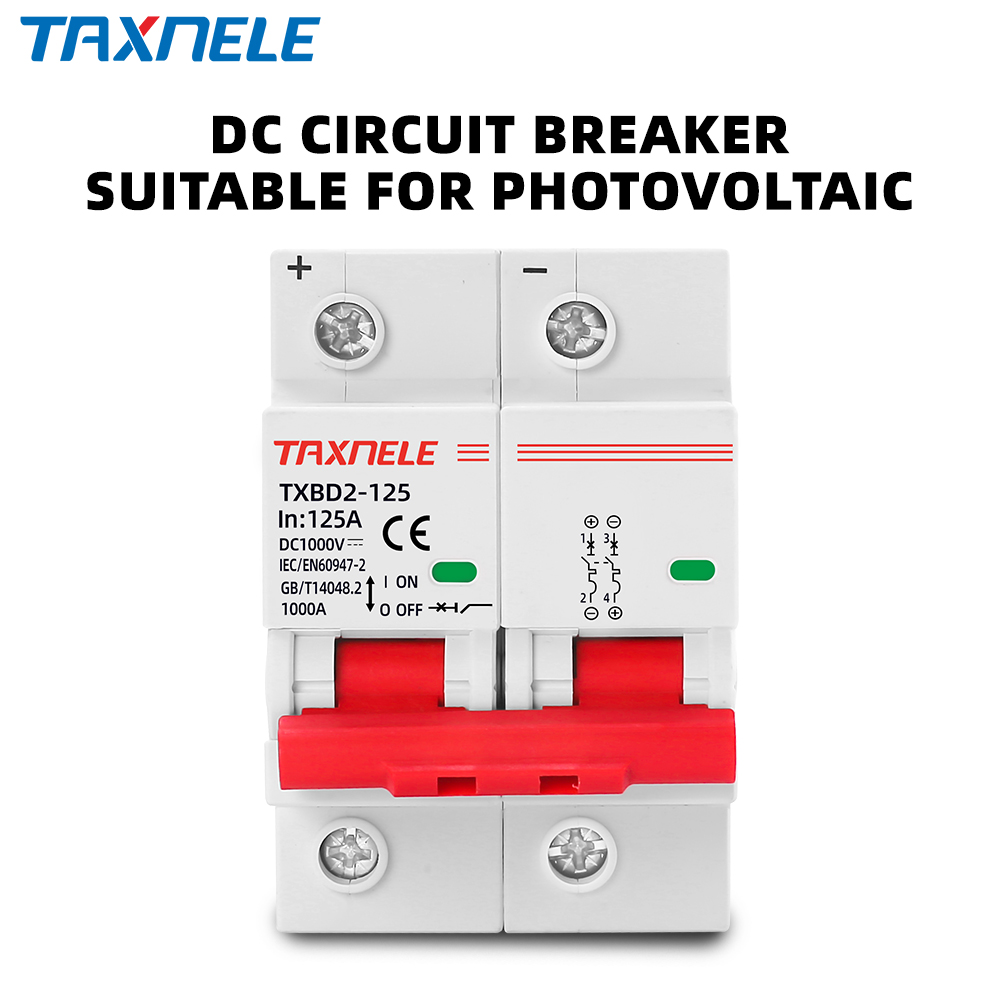
- Permanent Magnet Blow-out Coils: Integrated magnetic fields force the DC arc away from silver contacts and deep into the arc splitter plates.
- Extended Contact Distance & Multi-Pole Series Wiring: Internal poles are connected in series to divide the total system voltage across multiple arc gaps (e.g., 250V DC per pole, totaling 1000V DC across 4 poles).
- Polarity Sensitivity: Modern solar installations require strict adherence to directional positive (+) and negative (-) polarity markings on the breaker, preventing reverse magnetic repulsion during trip execution.
| Category | Relevant IEC Standard | Rated Voltage (Ue) | Breaking Capacity (Icu) | Primary Application |
|---|---|---|---|---|
| AC MCB (Miniature Breaker) | IEC / EN 60898-1 | 230V / 400V AC | 4.5kA / 6kA / 10kA | Residential & Commercial Distribution Boards |
| DC Solar MCB | IEC / EN 60947-2 | 250V - 1000V DC | 6kA / 10kA | Solar PV Combiner Boxes, Inverters, Battery Bank Isolators |
| RCBO (Residual Current Breaker) | IEC / EN 61009-1 | 110V / 230V AC | 6kA | Personal Protection against Earth Leakage & Overcurrent |
| Surge Protective Device (SPD) | IEC / EN 61643-11 | 275V AC / 1000V DC | In: 20kA / Imax: 40kA - 60kA | Lightning Voltage Surge Suppression & Grid Protection |
| Tuya Smart WiFi Breaker | IEC 60947-2 + CE RED | 90V - 280V AC | 6kA | Remote IoT Management, Energy Telemetry, Smart Microgrids |
3. Interactive Product Sourcing Matrix & Enterprise Capabilities
When selecting industrial circuit breakers for international distribution or turnkey projects, engineering buyers must match physical grid specs with breaker parameters. At Yueqing Favreau Electric Co., Ltd., our production line encompasses the full spectrum of modern circuit management devices:
DC Photovoltaic MCB & MCCB
Specially engineered for high-voltage DC isolation in solar arrays up to 1000V DC. Ratings from 6A to 125A in DIN-rail MCB frame, and up to 250A in Molded Case Circuit Breaker (MCCB) frames for heavy battery storage banks.
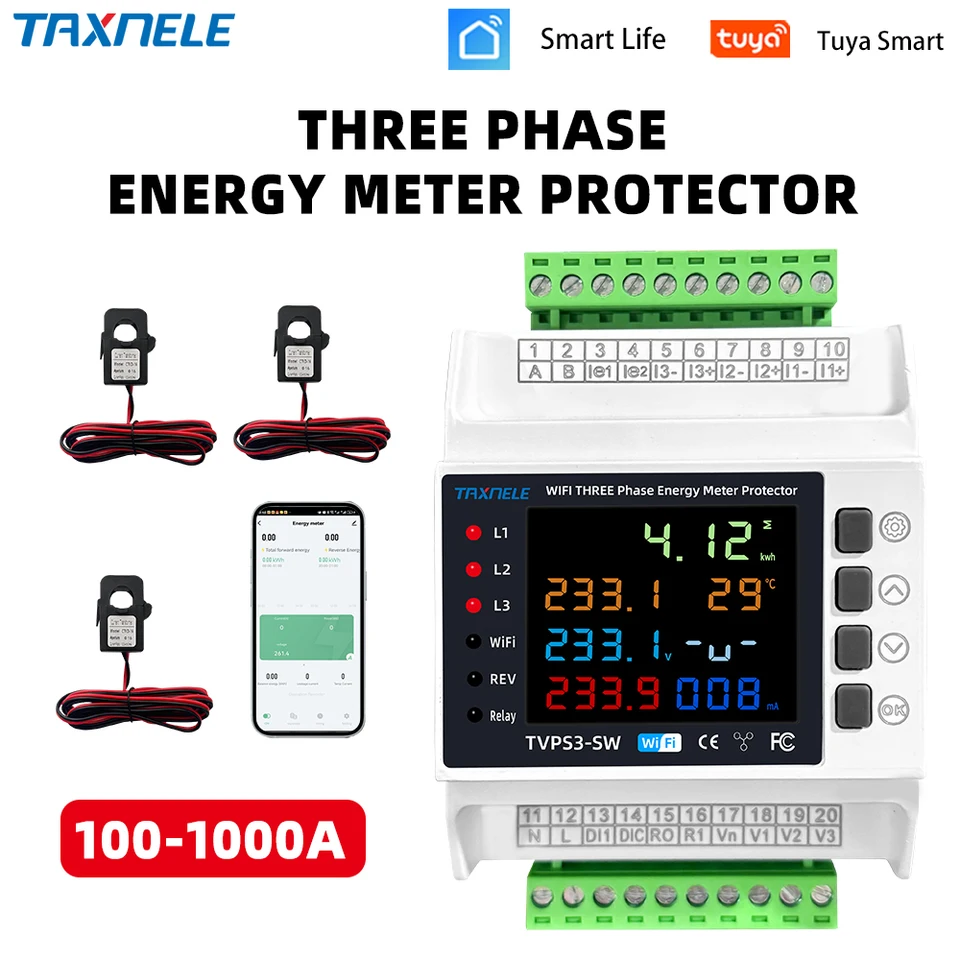
Smart IoT WiFi Circuit Breakers
Integrating Tuya and Smart Life platforms for remote telemetry, real-time kWh metering, and automated scheduled switching. Features digital over/under-voltage protection relays with customizable auto-reclosure delay timers.
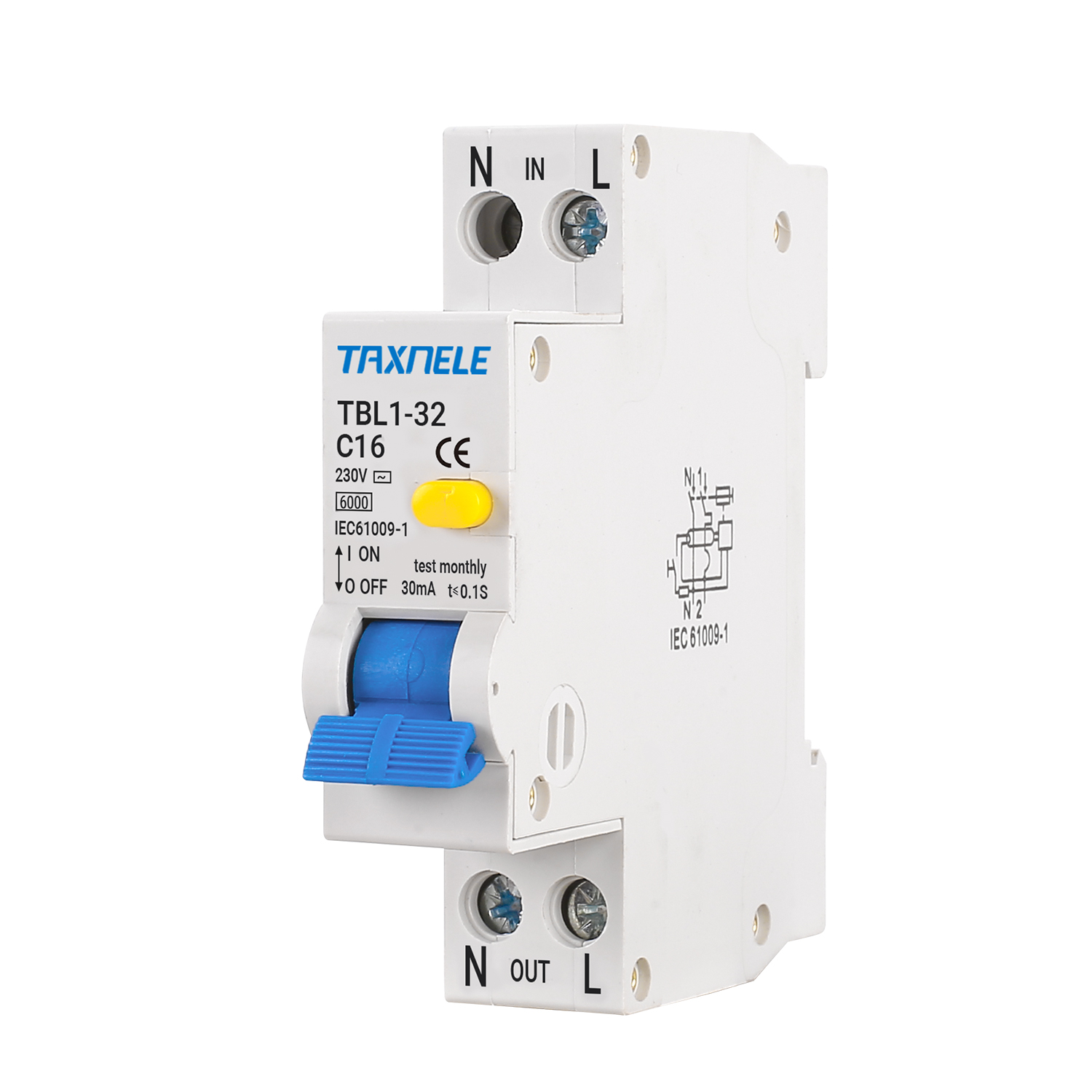
Residual Current Protection (RCBO / RCCB)
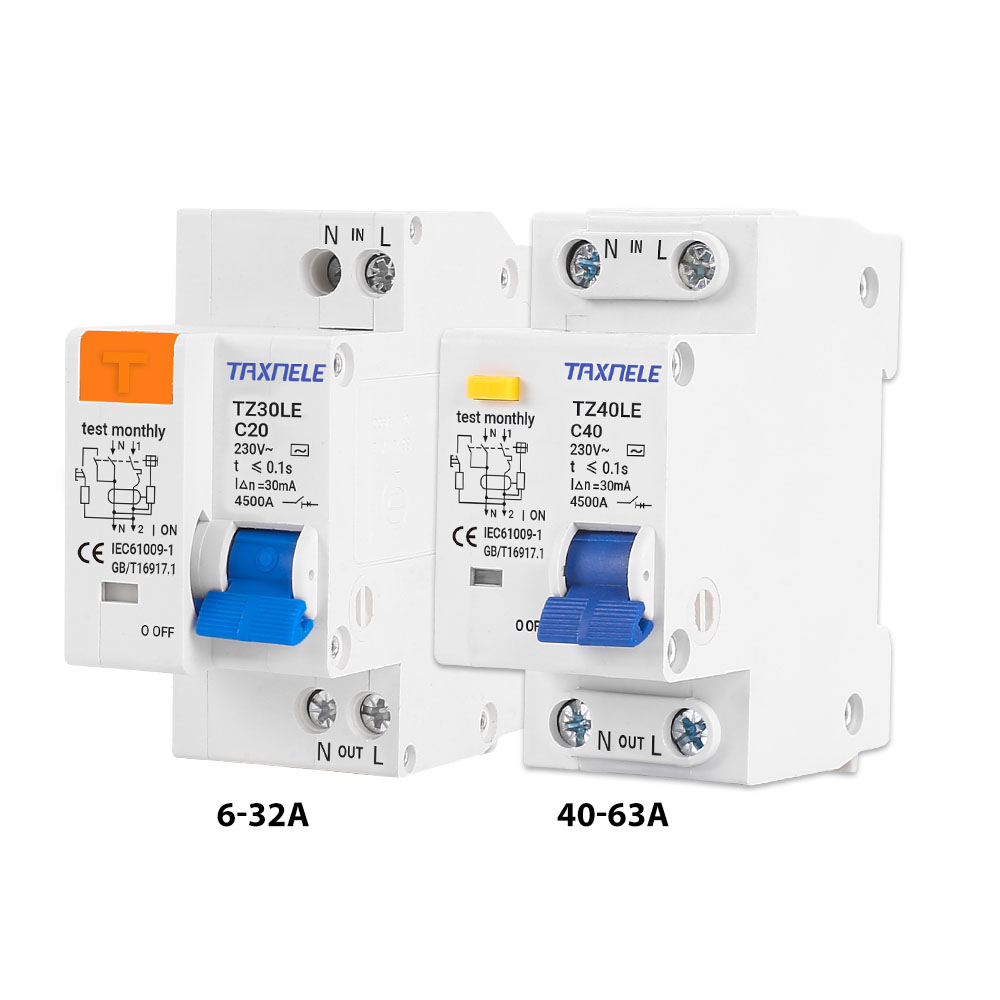
Slim 18mm single-module space-saving 1P+N RCBOs. Provides high-sensitivity Type AC and Type A 30mA ground leakage detection to eliminate electrocution hazards while offering full overcurrent and short-circuit protection.
4. Manufacturing Rigor & Quality Control at Favreau Electric
Yueqing Favreau Electric Co., Ltd. operates under strict ISO 9001 quality control management systems. As an independently verified manufacturer (assessed onsite by SGS Group), we enforce rigorous quality checkpoints across the manufacturing pipeline:
- Incoming Raw Material Inspection (IQC): Ultrasonic conductivity testing of copper busbars, silver-cadmium contact purity checks, and thermal resistance testing of flame-retardant VO-grade plastic resins.
- Automated SMT & Calibration: Precision surface-mount technology for internal electronic sensing boards (smart meters, overvoltage protection circuits) followed by automated dual-point calibration.
- 100% End-of-Line Testing: Every single circuit breaker off our assembly line undergoes dielectric voltage withstand testing, thermal trip calibration at 1.13x and 1.45x rated current, and instant magnetic trip simulation.
- Global Compliance Certification: All product series carry CE certificates, RoHS compliance documentation, and full test reports ready for customs clearance and municipal grid authority submittals.
5. Procurement & Technological Trends: Sourcing Strategy for 2025–2030
The global low-voltage equipment market is undergoing rapid evolution driven by grid decentralization and green energy mandates. B2B importers and project contractors should align their inventory strategy with three primary future trends:
Trend 1: Smart Microgrid Integration & Bidirectional Metering
Residential solar installations are moving rapidly toward self-consumption and grid feed-in export. Traditional unidirectional protection is obsolete. Demand is surging for bidirectional smart meters and IoT breakers capable of independently calculating imported grid power vs exported solar energy while executing instantaneous disconnects during grid outages to prevent dangerous islanding.
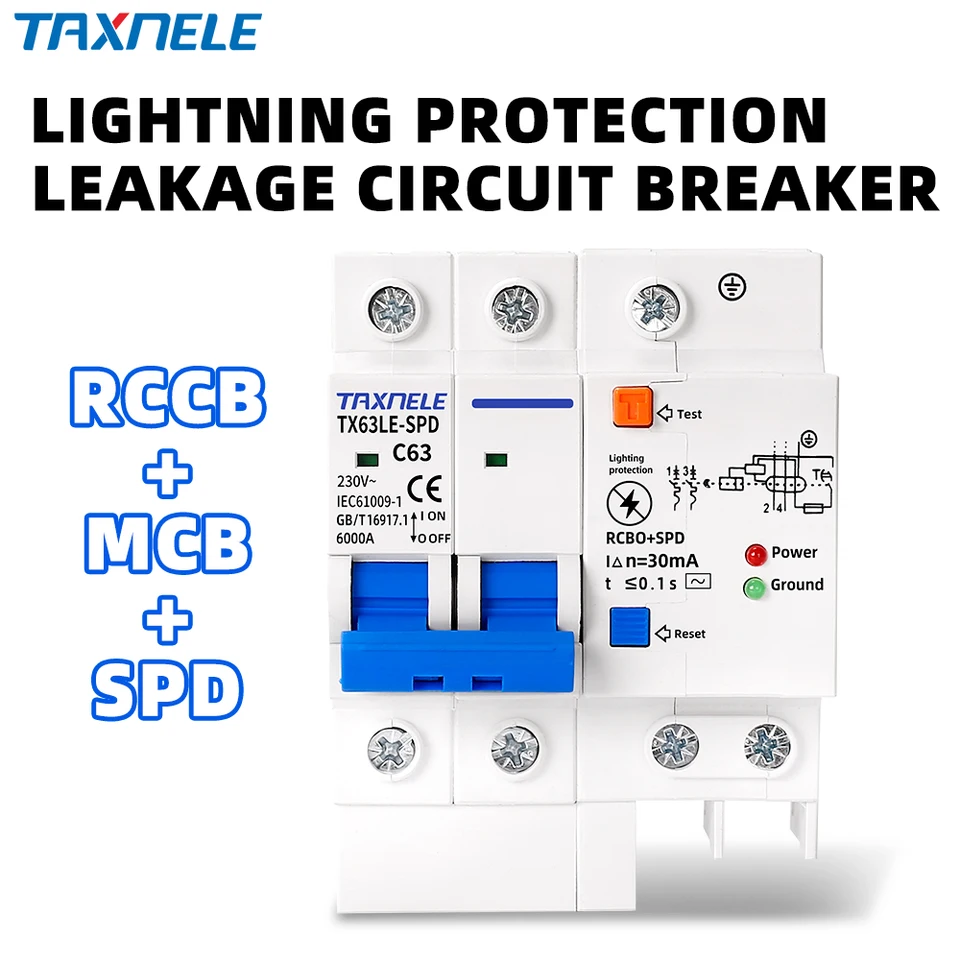
Trend 2: Compact & Hybrid Protection Modules (RCBO + SPD Integration)
Panel board space is at a premium. Modern European and South American building codes mandate surge protection alongside earth leakage protection. The market is shifting heavily toward combined RCBO + SPD units housed within standard DIN-rail footprints, reducing installation labor and cabinet sizing requirements.
Trend 3: Solid-State & Ultra-Fast Electronic Trip Units
While mechanical contacts remain dominant for isolation, electronic sensing modules embedded inside traditional breaker cases allow adjustable current trip thresholds (e.g., set a 63A frame to trip at 40A, 50A, or 63A via front dip switches). This reduces SKU requirements for distributors while offering customized line protection for installers.