CE Certified Low Voltage Electrical Protection Series
Explore our export-ready range of RCBOs, ATS switches, DC PV mini circuit breakers, and solid-state relays manufactured under rigorous ISO9001 protocols.

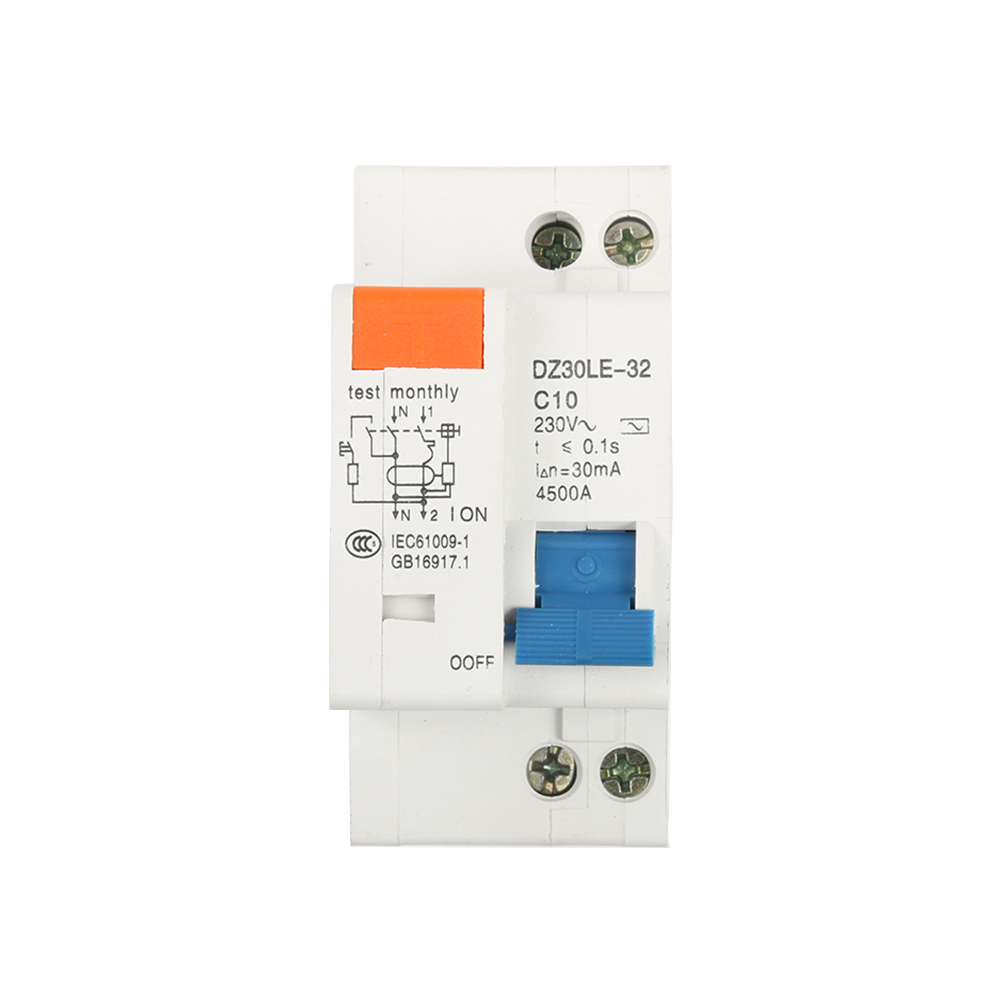
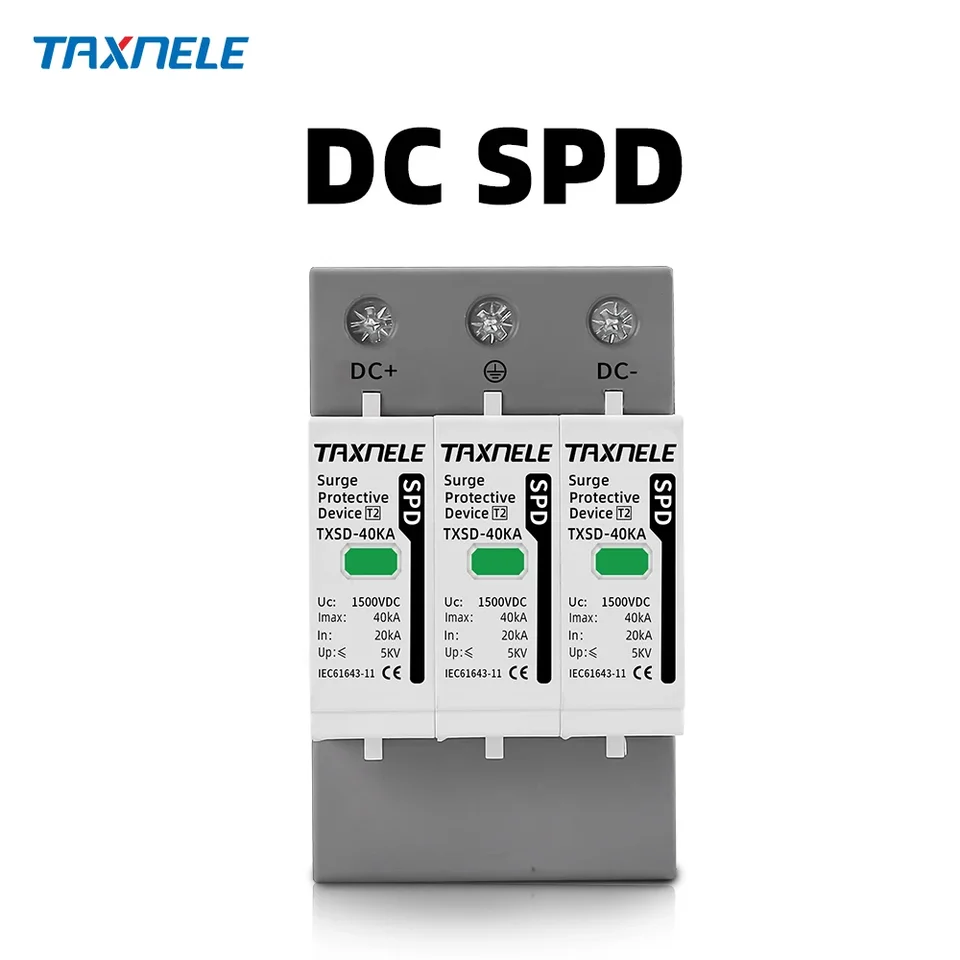
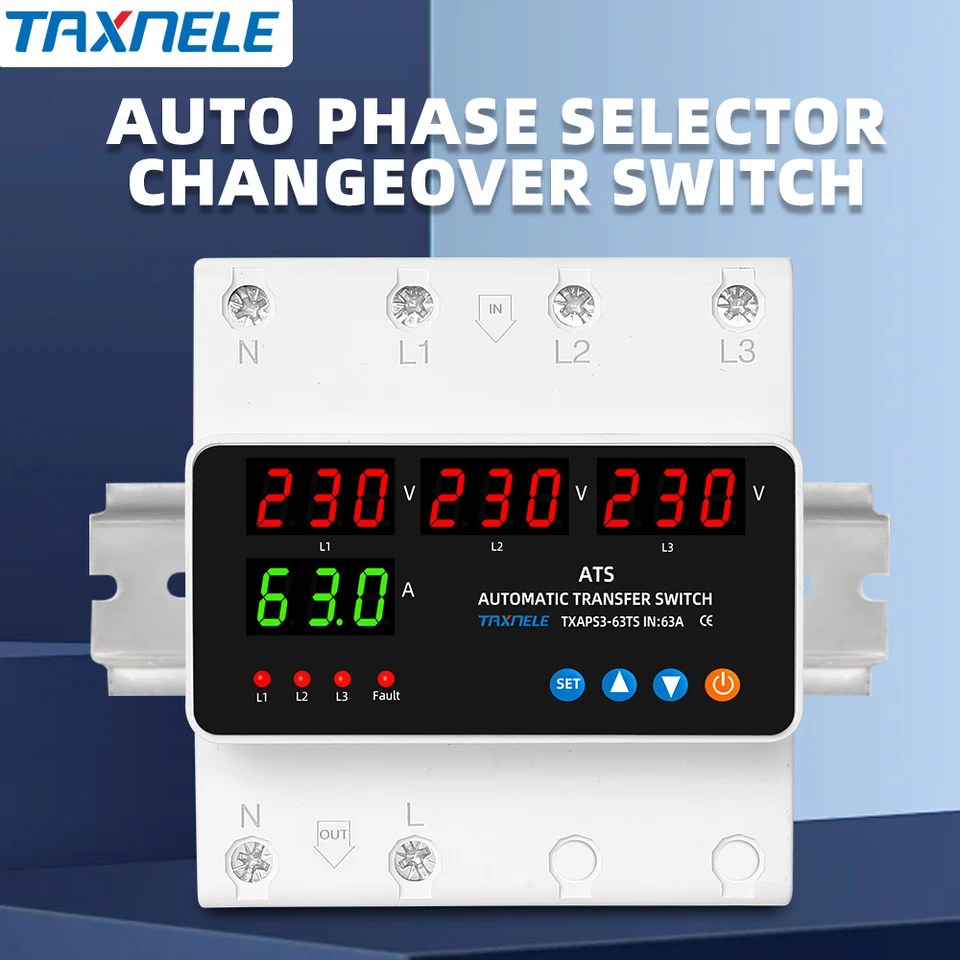
Why Sourcing Professionals Trust Yueqing Favreau Electric
Headquartered in Wenzhou’s world-renowned electrical cluster, Yueqing Favreau Electric Co., Ltd. combines specialized low-voltage engineering with SGS-audited manufacturing operations.
CE & RoHS International Compliance
Every three phase circuit breaker, RCBO, and solar DC MCB undergoes rigorous dielectric strength testing, temperature rise evaluations, and short-circuit verification to meet EN 60947-2 and IEC 60898-1 benchmarks.
Sample-Based & Full OEM/ODM Service
We empower global B2B buyers with private-label brand customization, front-panel laser printing, customized trip curves (B, C, D curves), and specialized local voltage calibration from low minimum order quantities (MOQ 10 pcs).
Strict Quality Control & Traceability
Utilizing high-precision automated SMT lines, wave-soldering equipment, and 100% automated calibration stations to maintain zero-defect standards across thermal-magnetic tripping and electronic leakage protection modules.
Engineering Architecture of CE Certified Three Phase Circuit Breakers
An in-depth analysis of low-voltage protection dynamics, phase synchronization, thermal-magnetic tripping physics, and smart power distribution compliance.
Core Physics of Three Phase Low Voltage Circuit Interruption
Three-phase alternating current (AC) electrical infrastructure forms the backbone of commercial, industrial, and heavy residential installations. Protecting these networks requires three-phase circuit breakers (3P and 3P+N) that execute instantaneous, simultaneous arc suppression across all active phases during overcurrent, short-circuit, or phase-asymmetry events.
In high-capacity industrial environments operating at 380V, 400V, or 415V AC, a fault on a single phase—such as a line-to-ground fault or insulation breakdown—can induce extreme phase imbalance, severe voltage sags, and catastrophic phase-to-phase short-circuits. Standard single-pole miniature circuit breakers (MCBs) fail to provide coherent protection for multi-phase loads like induction motors and heavy HVAC compressors. When a single phase trips independently while others remain energized, the motor suffers from single-phasing, resulting in excessive rotor heating, insulation breakdown, and fire hazards.
A CE-certified three-phase circuit breaker integrates a unified mechanical trip bar and de-ion arc chute assemblies. When an overcurrent threshold is exceeded on any phase, the internal bimetallic element (for inverse time-delay thermal protection) or electromagnetic plunger (for instant magnetic short-circuit protection) forces the mechanical latch mechanism to open all three contacts simultaneously in under 10 milliseconds.
Key Engineering Metrics for Sourcing Engineers
- Rated Breaking Capacity (Icn / Icu): The maximum short-circuit current a breaker can interrupt safely without permanent damage or explosive arcing. Our factory standard ranges from 6kA to 15kA according to EN 60947-2 testing protocols.
- Thermal-Magnetic Trip Curves: B Curve (3-5 In for sensitive electronic protection), C Curve (5-10 In for standard commercial loads), and D Curve (10-20 In for high inrush inductive motor starting).
- Dielectric Insulation & Clearing Distance: Minimum contact gap separation engineered to withstand 6kV impulse withstand voltages (Uimp), preventing arcing across open contacts during transient atmospheric lightning surges.
Technical Specification & Selection Matrix for Industrial Breakers
To assist procurement managers, EPC contractors, and OEM panel builders in choosing the optimal circuit protection architecture, the following engineering matrix summarizes critical operational parameters across our primary low-voltage categories:
| Category | Voltage Rating (Ue) | Current Range (In) | Trip Mechanism | Primary Application |
|---|---|---|---|---|
| 3P / 3P+N Industrial MCB | 230V / 400V AC | 6A – 125A | Thermal-Magnetic (C/D Curve) | Factory switchgear, commercial sub-panels, motor circuits |
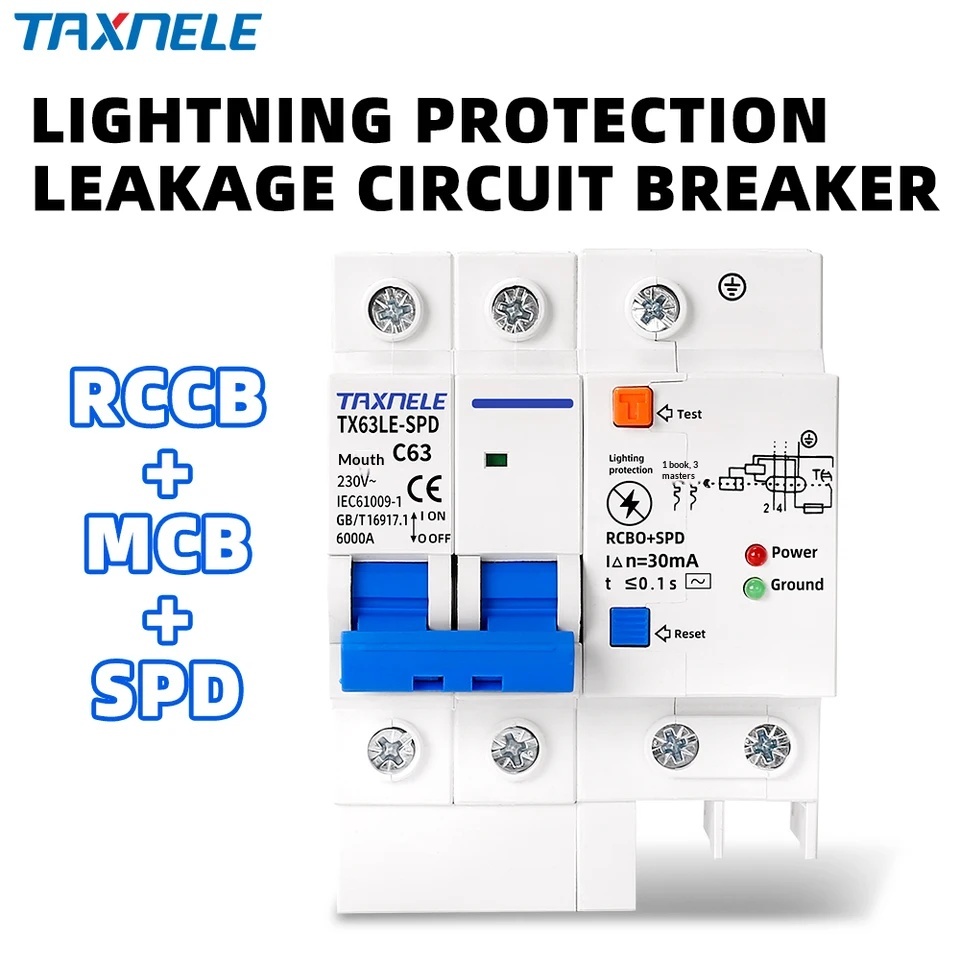
| 1P+N / 3P+N RCBO Series | 220V / 380V AC | 10A – 63A | Magnetic + Ground Fault RCD | Personal shock prevention, equipment earth leakage protection |
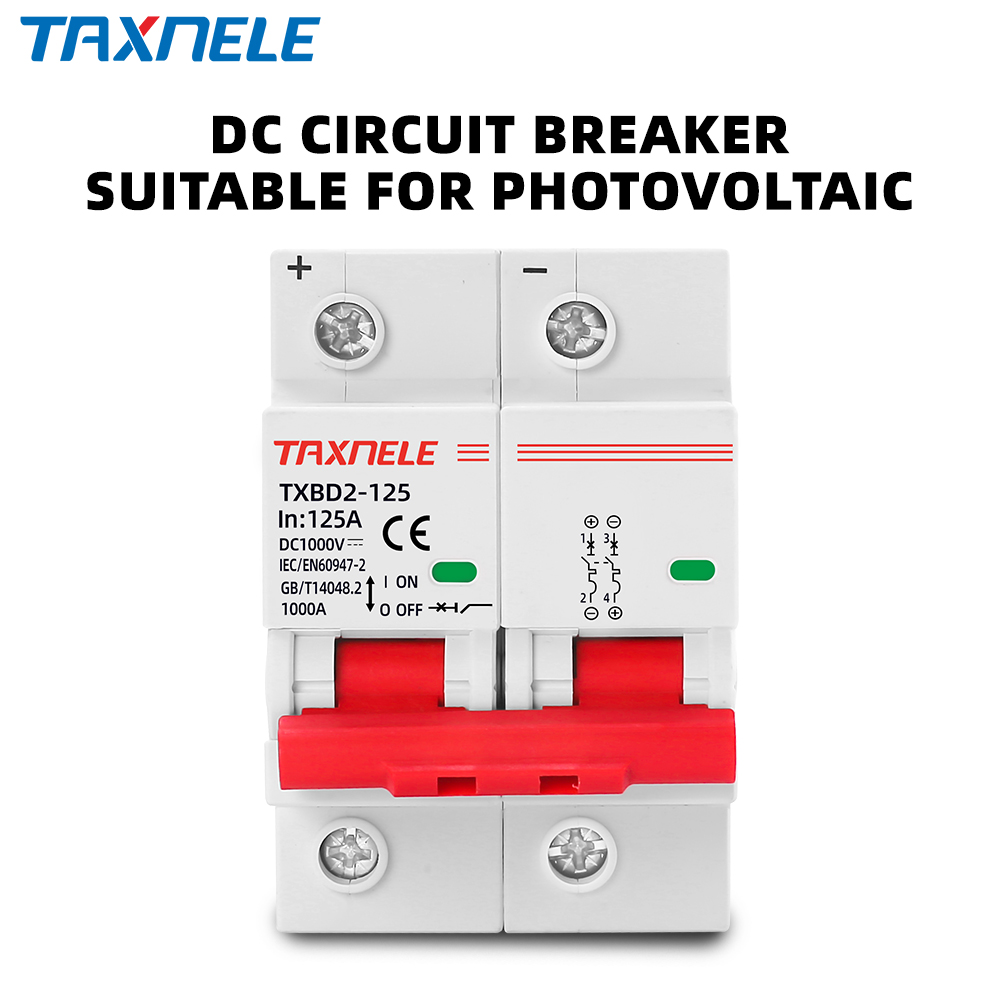
| Photovoltaic DC Breakers | 500V – 1000V DC | 6A – 125A | Polarized DC Arc Chute | Solar PV string boxes, energy storage systems (ESS), battery isolates |
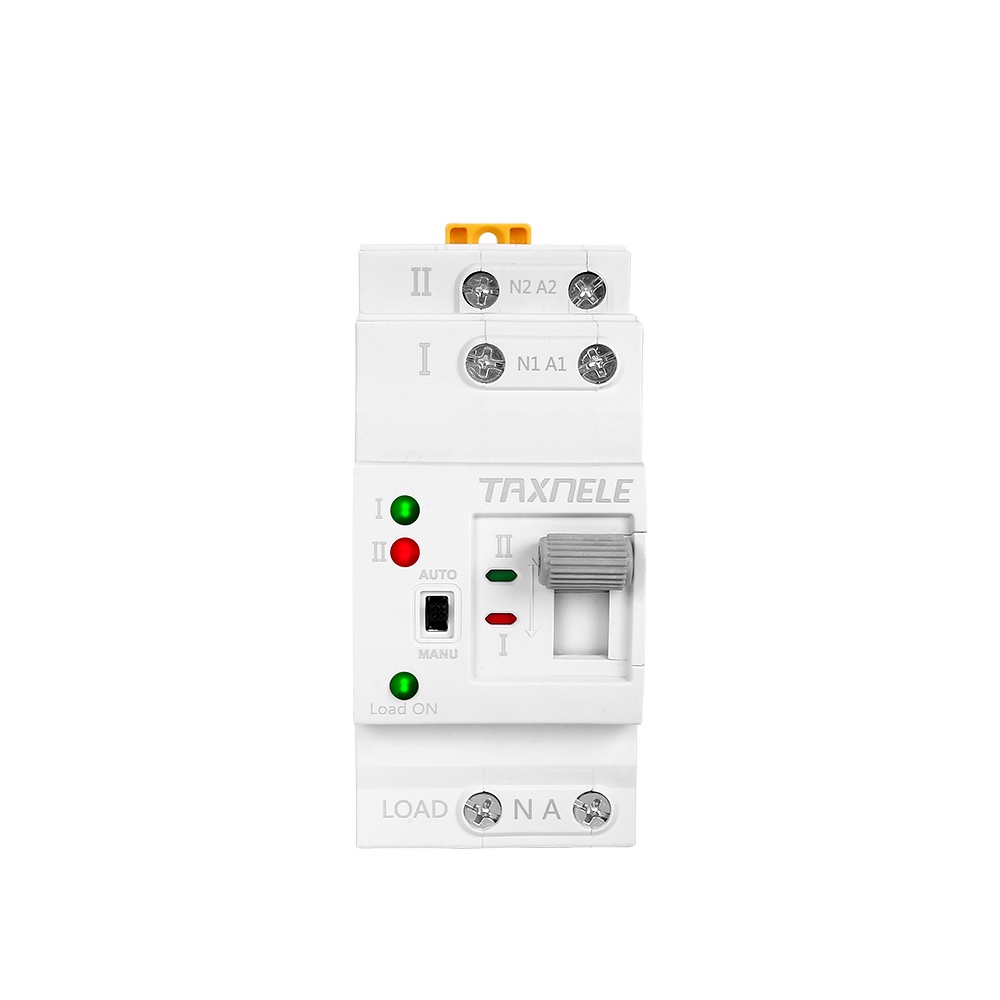
| Automatic Transfer Switch (ATS) | 220V / 400V AC | 63A – 100A | Motorized Double Throw | Main grid to standby diesel generator automatic switching |
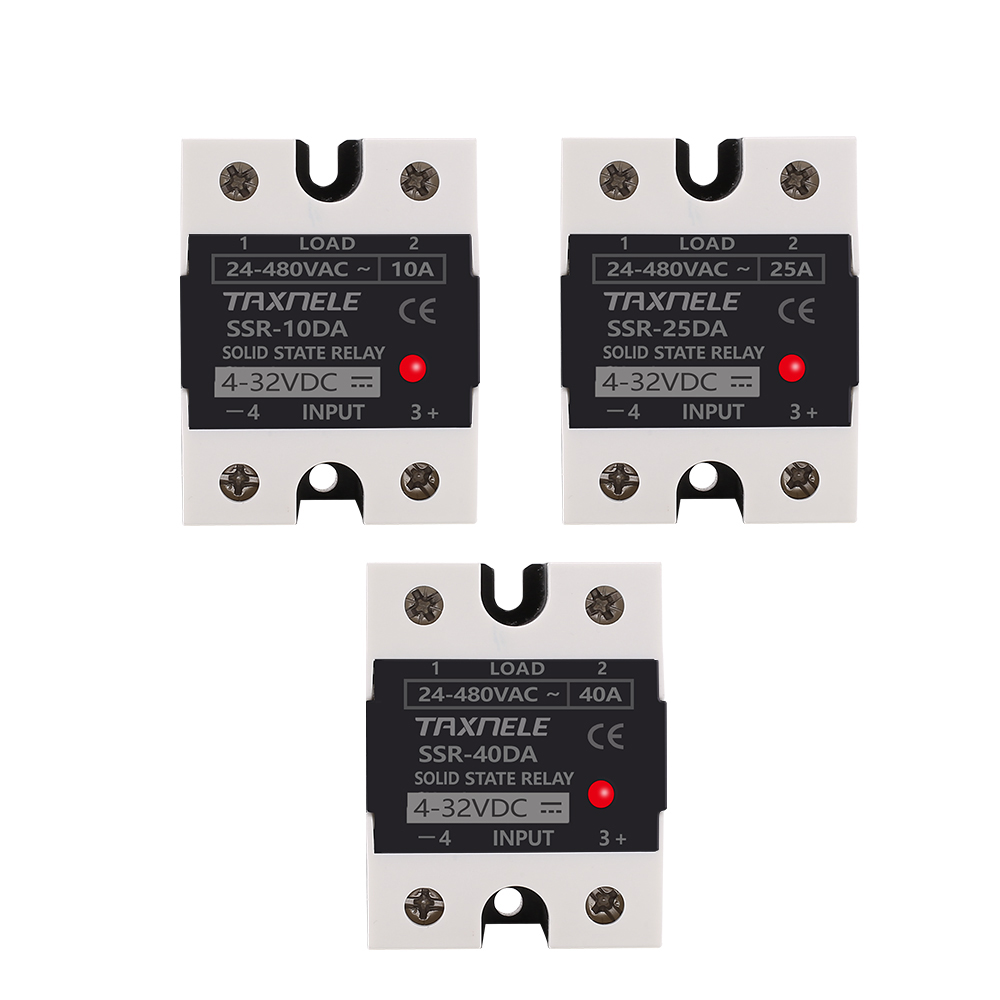
| Smart IoT Telemetry Breakers | 110V – 380V AC | 1A – 80A (Adjustable) | Microprocessor & Solid State | Tuya / Modbus remote telemetry, energy monitoring, cloud automation |
Future Procurement & Sourcing Trends in Circuit Protection
Analyzing global market shifts toward renewables integration, digitalized switchgear, and resilient supply chain partnerships.
Integration of Microprocessor-Based IoT Telemetry
Modern electrical distributors are transitioning away from passive mechanical breakers toward digitalized circuit protection. Global buyers increasingly demand three-phase breakers with built-in Wi-Fi, RS485 Modbus, or Tuya IoT protocols capable of real-time power measurement (kWh, V, A, PF) and remote trip resets via mobile apps.
Higher DC Voltage Ratings for Solar & Battery Energy Storage (BESS)
With solar PV string voltages scaling from 600V to 1000V DC and 1500V DC, traditional AC breakers are insufficient due to continuous DC arcing characteristics. Strategic buyers are sourcing specialized 2P and 4P DC mini circuit breakers equipped with permanent magnet arc chutes designed for non-zero crossing DC current interruption.
Unified Protection: Over-Voltage + Under-Voltage + ATS Integration
In developing power grids across Southeast Asia, the Middle East, and South America, unannounced voltage sags, spikes, and neutral line disruptions are common. Procurement teams are prioritizing multifunction units that combine automatic transfer switching (ATS) with adjustable over/under-voltage protection relays in a single DIN-rail module.
Frequently Asked Sourcing & Technical Questions
Essential guidance for B2B procurement managers, electrical wholesalers, and system integrators.
What is the minimum order quantity (MOQ) for OEM/ODM private-label customization?
Unlike rigid industrial conglomerates, Yueqing Favreau Electric offers low MOQ thresholds starting from 10 pieces per model for standard DIN-rail breakers, voltage protectors, and ATS switches. Customized artwork, local language laser engraving, and custom packaging options are available for trial bulk orders.
How do CE certification and ISO9001 audit standards protect global importers?
CE certification confirms that our three-phase breakers satisfy mandatory European Low Voltage Directives (LVD 2014/35/EU) and Electromagnetic Compatibility (EMC 2014/30/EU). Our ISO9001 quality system ensures rigorous batch traceability, raw material flame-retardance testing (UL94-V0 standard), and consistent trip curve accuracy across every batch shipped from Wenzhou.
What is the technical difference between 3P and 3P+N three-phase circuit breakers?
A 3P circuit breaker interrupts only the three live phase conductors (L1, L2, L3) and is engineered for balanced three-phase delta connected loads, such as AC induction motors. A 3P+N breaker includes an additional neutral pole (either protected or switched neutral) designed for star-connected 4-wire systems where single-phase loads are connected between phase and neutral lines, ensuring total system isolation upon fault detection.
How should procurement engineers select the right breaking capacity (Icu)?
Breaking capacity should be calculated based on the prospective short-circuit current (PSCC) at the installation point. If the transformer proximity yields a potential fault current of 8kA, a breaker with an Icu rating of at least 10kA must be specified. Using an under-rated breaker risks contact welding or catastrophic housing destruction during severe short-circuit events.