Top-Ranked Circuit Protection & Switchgear Assemblies
Explore our export-certified direct current circuit breakers, surge protective devices, solid-state relays, and intelligent dual-power transfer systems designed for rigorous international power grids.
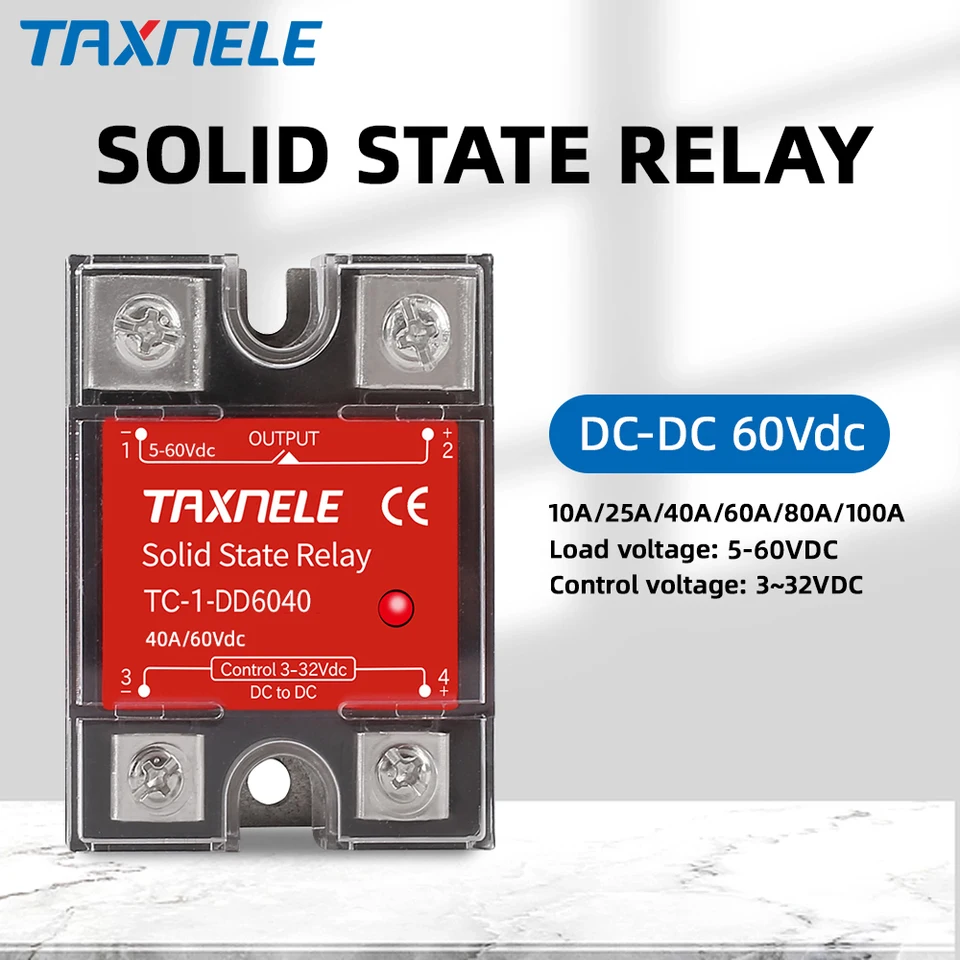
TC-1-DD6040 Single Phase DC Control Heat Sink 3-32VDC 60VDC 10A-100A Solid State Relay
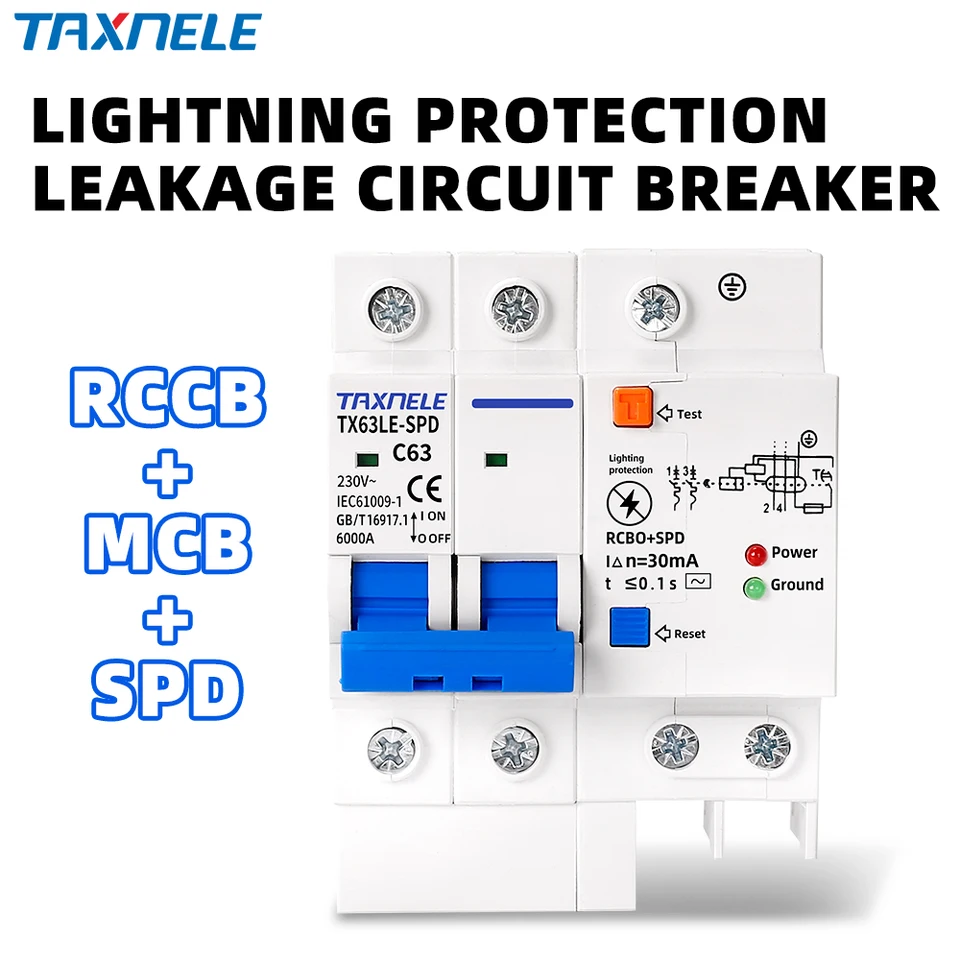
Residual Current Circuit Breaker 220V RCBO SPD Lightning Protection Earth Leakage 10A-63A
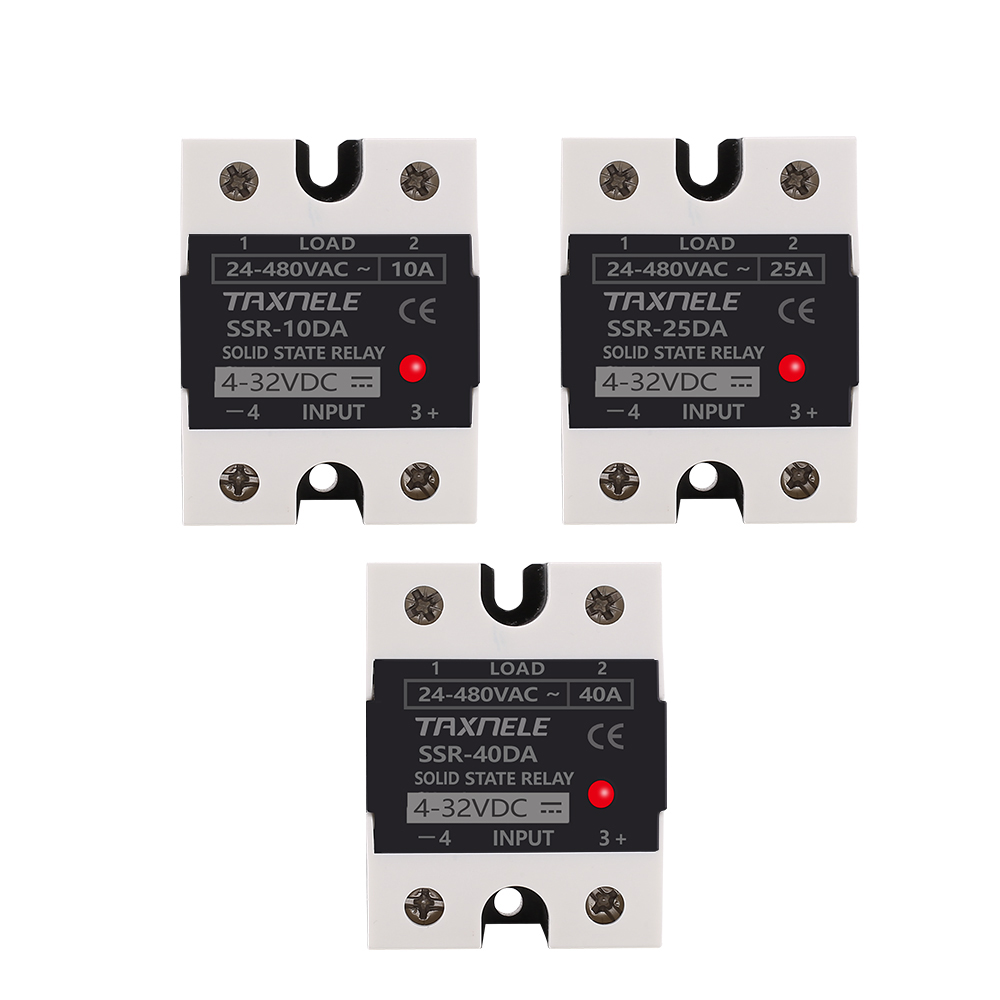
DC to AC SSR-40DA SSR 25DA 10DA Solid State Relay 4-32VDC Input 24-480VAC Output Industrial
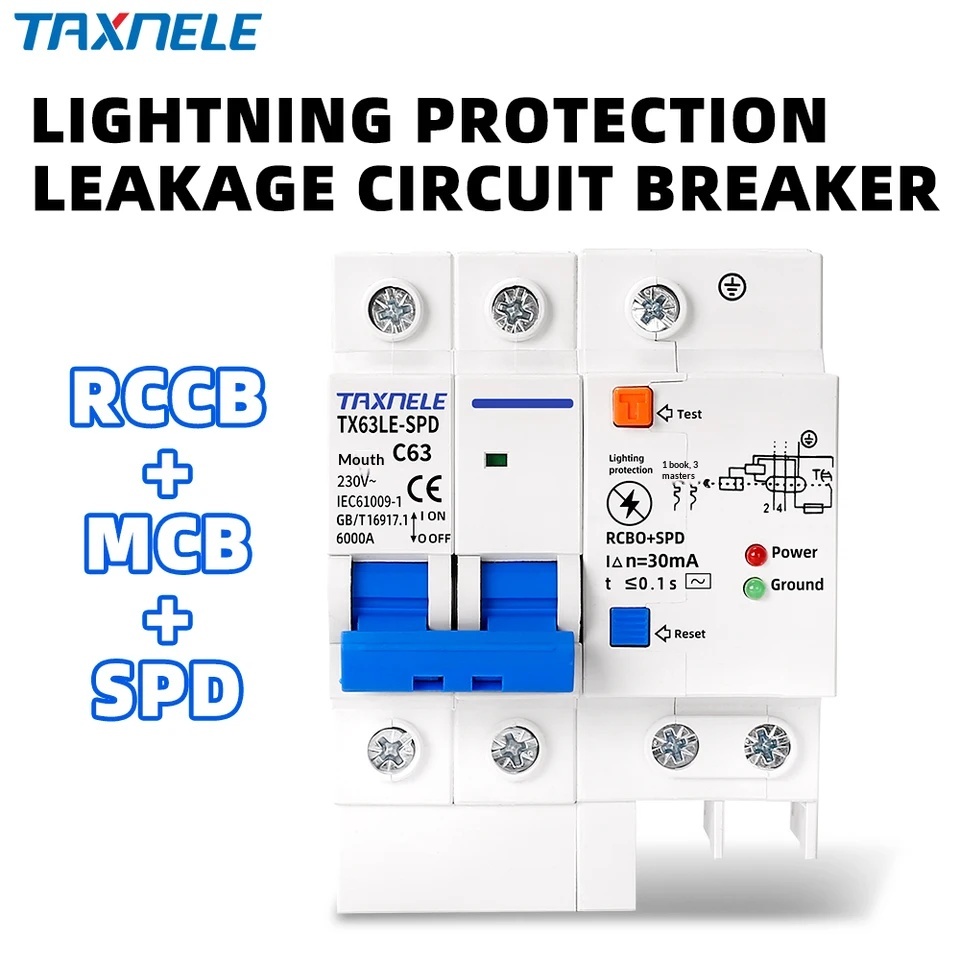
TAXNELE Residual Current Circuit Breaker 220V RCBO with SPD Lightning Protection Earth Leakage
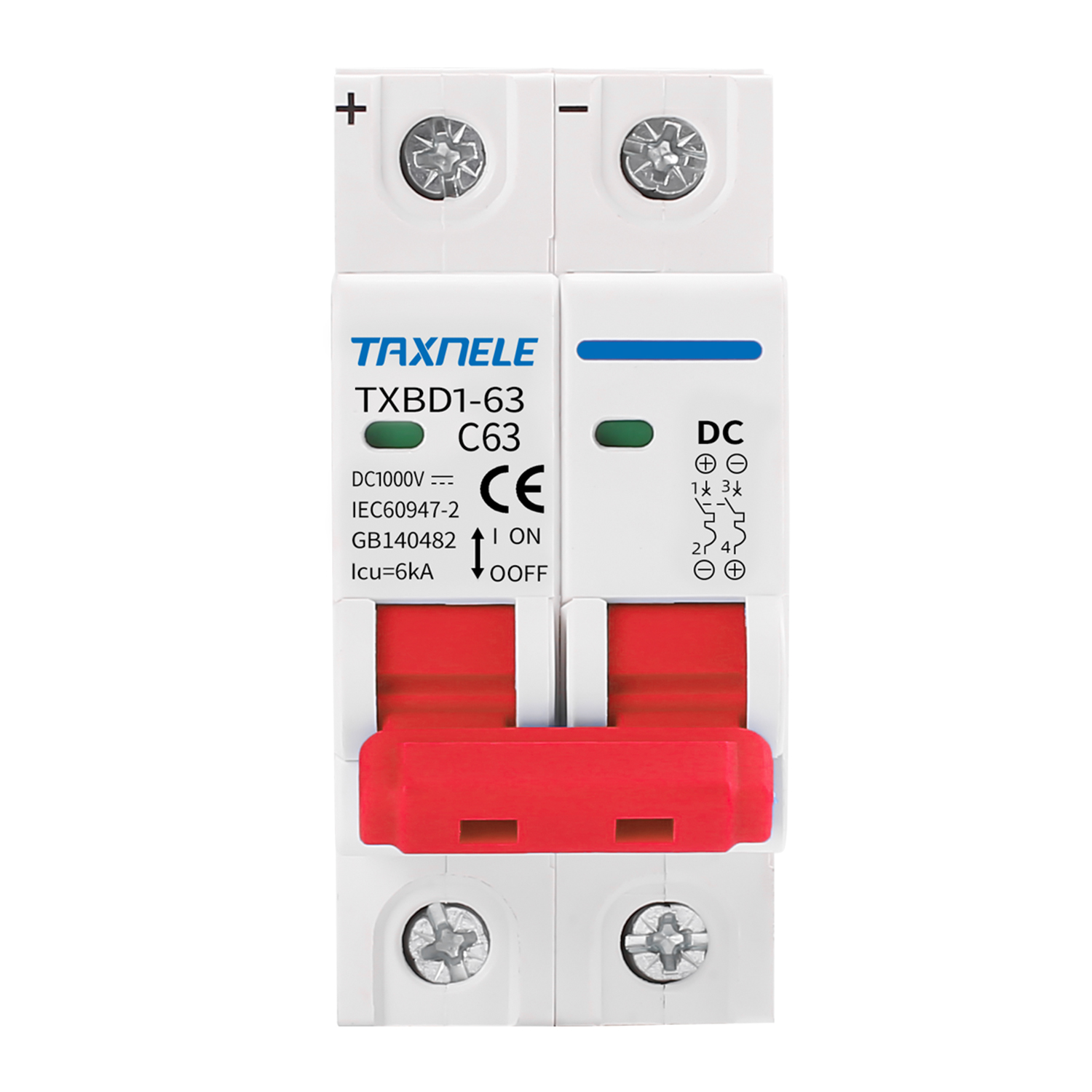
2P DC 1000V Solar Mini Circuit Breaker Battery Switch 6A to 63A DC MCB for Photovoltaic PV
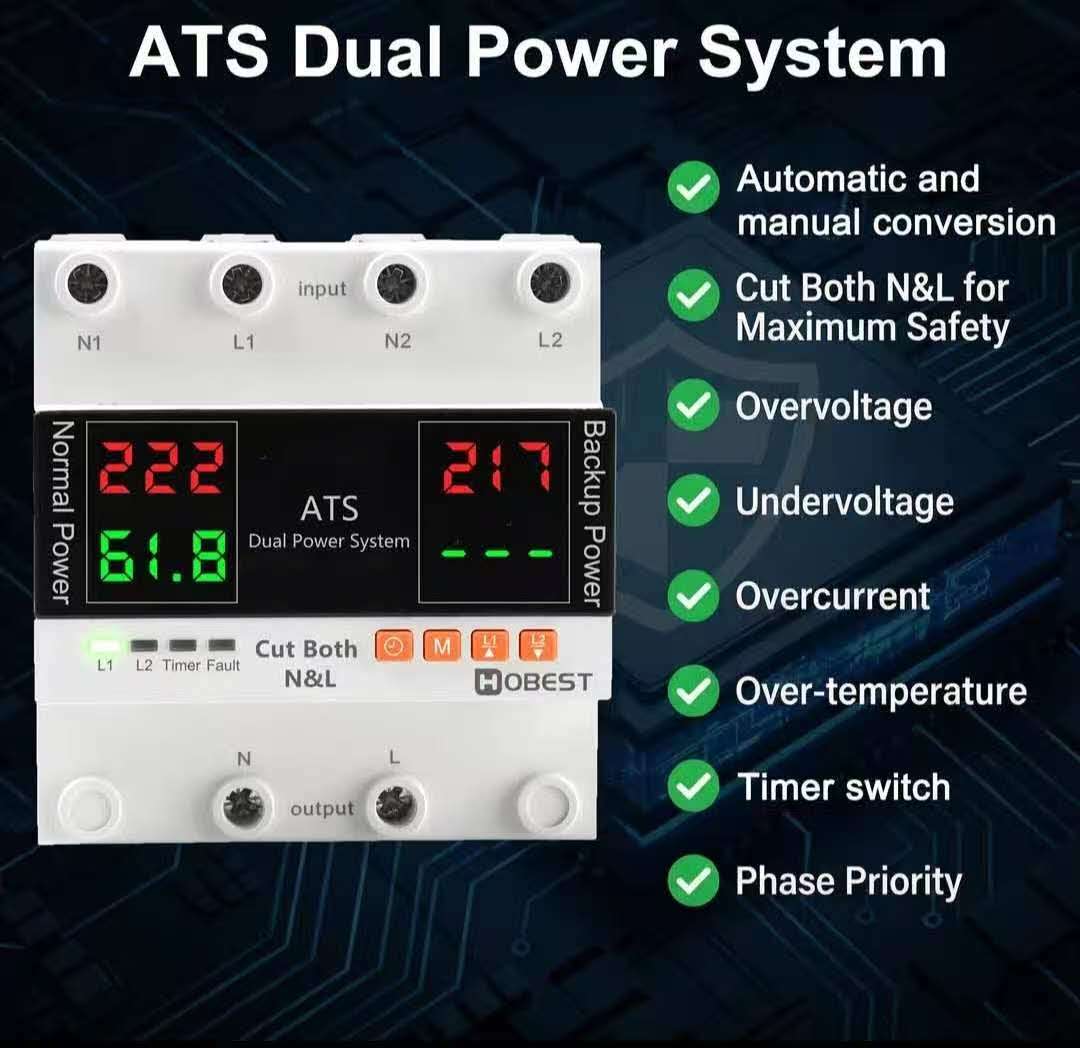
Automatic Transfer Switch Voltage Protector ATS for Grid Solar Generator Switchover System
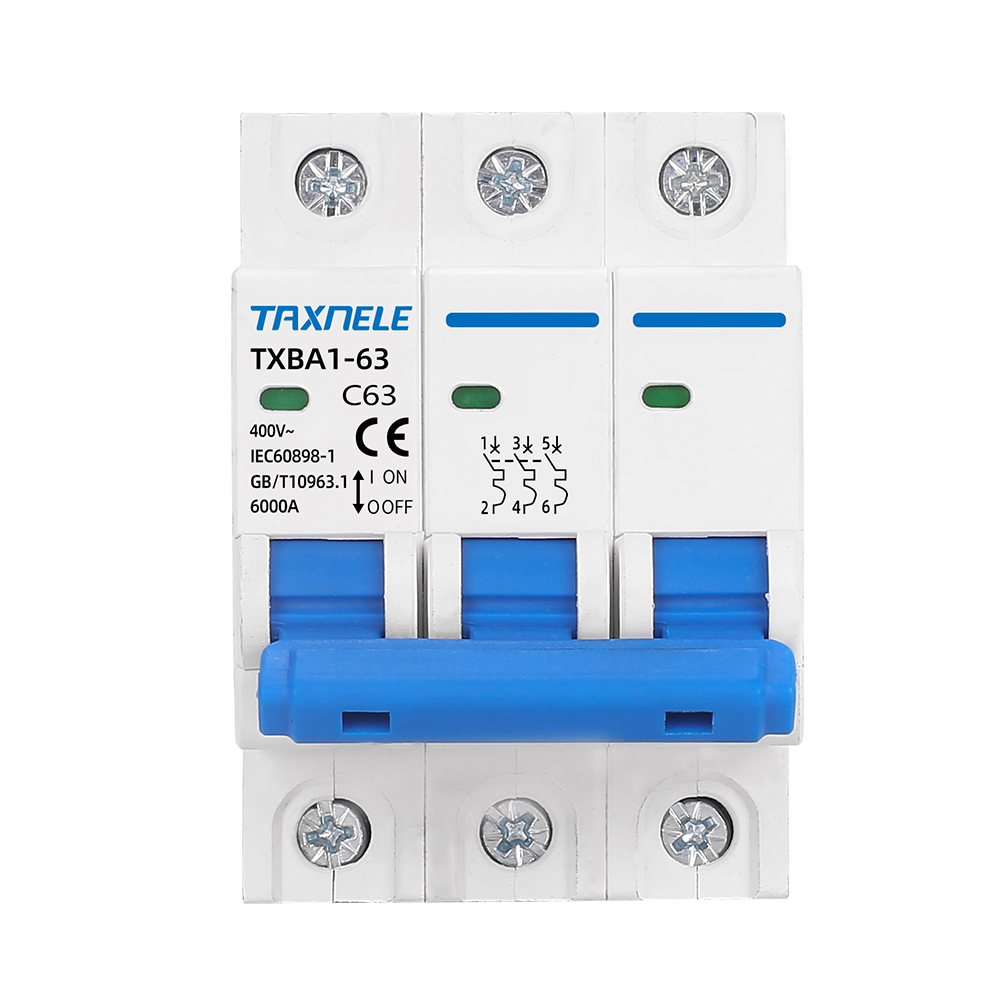
AC MCB 3P 230V 400V 6KA Mini Circuit Breaker Air Switch 6A-63A Overload Short Circuit Protector
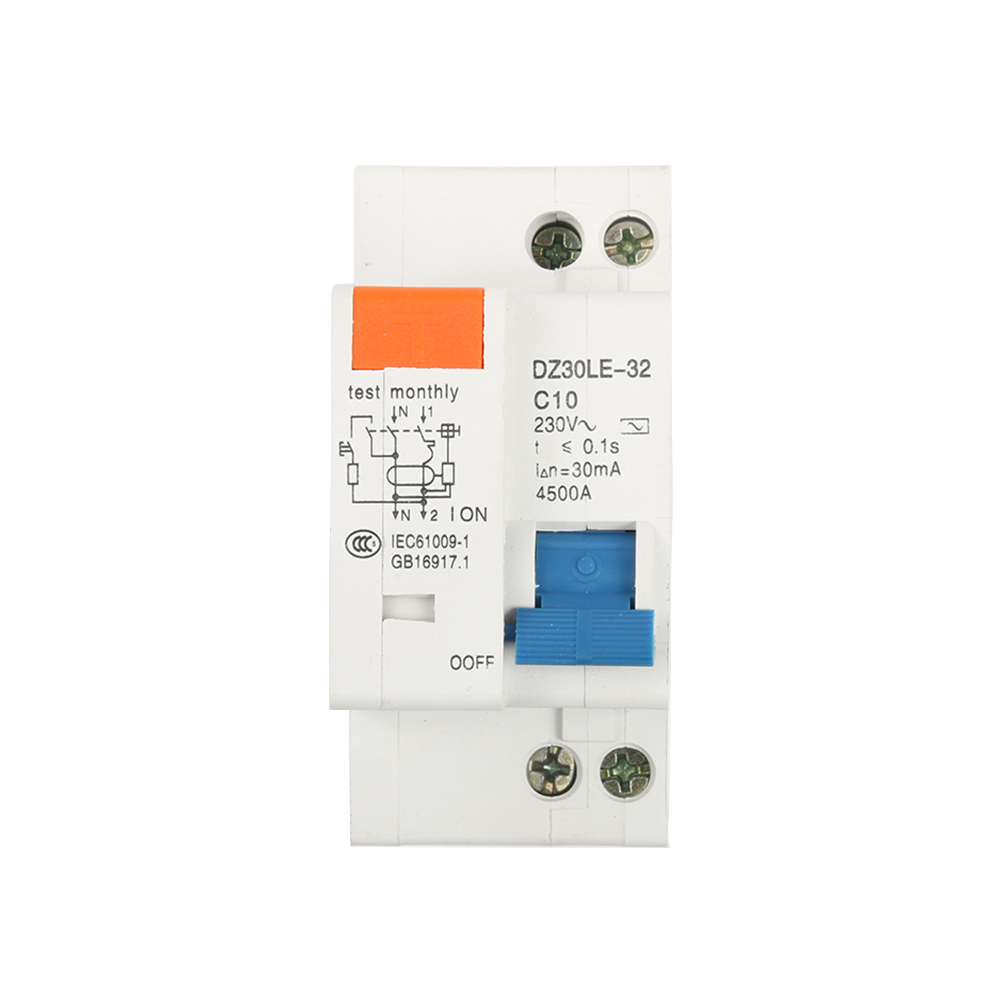
DZ30LE-32 1P+N 230V 220V Residual Current Circuit Breaker With Over Current & Leakage Protection
Engineering Fundamentals: Arc Extinction & Physics of DC Molded Case Circuit Breakers
A comprehensive analysis for B2B electrical engineers, PV system integrators, and switchgear OEM importers.
In high-voltage electrical protection systems, direct current (DC) circuit interruption presents vastly more complex physical challenges than alternating current (AC) interruption. Understanding the physical mechanics of DC arc extinction is essential when selecting a reliable CE Certified DC Molded Case Circuit Breaker (DC MCCB) factory and exporter for photovoltaic arrays and Battery Energy Storage Systems (BESS).
1. The Physics of DC Arc Extinction vs. AC Zero-Crossing
Alternating current naturally crosses the zero-voltage axis twice per cycle (every 10ms in a 50Hz grid). This natural zero-crossing gives AC circuit breakers a brief window where the plasma arc self-extinguishes as dielectric strength recovers in the contact gap. In contrast, direct current provides continuous voltage and unidirectional current flow without a natural zero-crossing point. When contacts separate under direct current load, an intense electric arc ignites and persists, fueled by thermal ionization of the surrounding medium.
To interrupt continuous DC fault currents—ranging from 100A up to 250A or 630A at voltages exceeding 1000VDC to 1500VDC—a high-performance DC Molded Case Circuit Breaker must actively generate artificial zero-current states. This is accomplished through three integrated electro-physical mechanisms:
- Magnetic Arc Blowout Coils: Internal permanent magnets or electromagnetic coils generate a transverse magnetic field perpendicular to the arc column. By Lorentz force ($F = I \cdot L \times B$), the electrical arc is forcefully driven laterally into the arc chute array.
- De-ion Arc Chute De-segmentation: The arc is driven into a stack of nickel-plated steel splitter plates. These plates stretch the arc length, cool the plasma gas, and split a single high-voltage arc into dozens of series-connected micro-arcs, dramatically raising the cumulative arc voltage ($V_{arc}$) above the system supply voltage ($V_{sys}$).
- Polarized vs. Non-Polarized Arc Chamber Architecture: Polarized DC MCCBs require strict current directionality (+ to -) to ensure the Lorentz force pushes the arc toward the splitter plates rather than into internal insulating walls. Advanced non-polarized DC MCCBs utilize symmetric dual-directional magnetic blowout configurations, accommodating bidirectional current flows typical of modern battery energy storage systems (BESS).
2. Structural Differentiation: DC MCB vs. DC MCCB
Procurement professionals often confuse DC Miniature Circuit Breakers (DC MCB) with DC Molded Case Circuit Breakers (DC MCCB). While both deliver overcurrent and short-circuit protection, their mechanical, thermal, and interruption thresholds vary substantially:
| Electrical & Physical Parameter | DC Miniature Circuit Breaker (DC MCB) | DC Molded Case Circuit Breaker (DC MCCB) |
|---|---|---|
| Rated Current Spectrum ($I_n$) | 0.5A up to 63A / 125A | 100A, 160A, 250A, 400A, up to 800A |
| Ultimate Breaking Capacity ($I_{cu}$) | 6kA to 10kA | 15kA, 25kA, 36kA, up to 50kA |
| System Voltage Compatibility ($U_e$) | Single-pole up to 250VDC; 2P/4P up to 1000VDC | Multi-pole series arrangements up to 1500VDC |
| Trip Unit Technology | Fixed Thermal-Magnetic Bi-metal & Shunt Coil | Adjustable Thermal-Magnetic & Microprocessor Electronic Trips |
| Enclosure Construction | Standardized 18mm DIN-Rail Modular Housing | High-Strength Glass-Fiber Reinforced Thermosetting Resin Case |
| Primary Target Application | PV Residential Strings, Low-Cap Battery Isolation | PV Central Inverters, Re-combiner Boxes, Commercial BESS |
Future Procurement Trends in DC Switchgear & Circuit Breaker Technology
Key technological transformations driving global supply chains and regulatory compliance standards.
1. Transition to 1500VDC Architecture
Utility-scale solar farms and industrial energy storage systems are rapidly transitioning from 1000VDC to 1500VDC architecture. Higher operational voltages reduce balance-of-system (BOS) cabling costs and minimize resistive power dissipation ($I^2R$). Consequently, importers are prioritizing 1500V DC MCCBs that maintain strict clearance/creepage distances according to IEC 60947-2 standards.
2. Microprocessor Electronic Trip Units
Traditional bimetallic thermal trips are being replaced by solid-state electronic trip units (ETU). Electronic tripping offers digitally adjustable current protection curves, instant trip delay settings, and immunity to ambient temperature fluctuations inside unconditioned outdoor combiner enclosures.
3. IoT Communication & Smart Grid Integration
Modern B2B buyers require circuit protection devices equipped with RS485 Modbus-RTU, Wi-Fi, or Tuya IoT connectivity. Smart DC MCCBs allow remote monitoring of continuous load currents, contact temperature rise, contact wear indexing, and remote trip control for automated grid management.
Strategic Direct-Sourcing Trends for B2B Procurement Officers
As global demand for clean energy infrastructure accelerates, global procurement managers are shifting away from intermediate distributors toward direct sourcing relationships with verified Chinese manufacturing clusters. Yueqing in Zhejiang Province represents over 60% of China's total low-voltage electrical production. Importers who partner directly with audit-tested manufacturing facilities gain crucial competitive advantages:
- Reduced Total Cost of Acquisition (TCA): Eliminating multi-tier distributor markups provides a 25% to 40% cost reduction on project BOM (Bill of Materials).
- Agile OEM Customization: Factory-direct partnerships allow custom calibration of trip curves, specialized shunt releases (ST), undervoltage releases (UVT), auxiliary contacts (AX), and alarm contacts (AL).
- Compliance and Quality Traceability: Direct access to ISO 9001 quality management records, batch test logs, dielectric withstand verification, and official CE/RoHS certification dossiers.
How to Specify & Size a High-Voltage DC MCCB
A step-by-step mathematical and electrical sizing methodology for project design engineers.
Correctly sizing a DC Molded Case Circuit Breaker requires strict adherence to system parameters to avoid nuisance tripping or catastrophic insulation failure during short-circuit clearing. Follow this 4-step engineering protocol:
Step 1: Calculate Minimum Voltage Rating ($U_e$)
For photovoltaic string protection, the rated operational voltage ($U_e$) of the DC breaker must exceed the maximum open-circuit voltage ($V_{oc}$) of the solar array adjusted for the lowest expected ambient site temperature ($T_{min}$):
U_e ≥ V_{oc\_array\_max} = N \times V_{oc\_STC} \times [ 1 + \alpha_{Voc} \times (T_{min} - 25) ]
Where $N$ is the number of modules per string, $V_{oc\_STC}$ is module open-circuit voltage under STC, and $\alpha_{Voc}$ is the voltage temperature coefficient (%/°C).
Step 2: Calculate Continuous Rated Current ($I_n$)
In continuous duty applications like solar PV arrays, circuit breakers must be derated by 125% per National Electrical Code (NEC) / IEC standards to prevent thermal saturation under continuous peak load:
I_n ≥ 1.25 \times I_{sc\_string}
For battery storage systems (BESS), ensure the nominal current rating handles maximum continuous inverter discharge current plus transient charge spikes.
Step 3: Evaluate Ultimate Short-Circuit Breaking Capacity ($I_{cu}$)
The short-circuit current delivered by lithium-ion battery banks or central solar inverters can reach tens of thousands of amperes within microseconds. The chosen DC MCCB must have an ultimate breaking capacity ($I_{cu}$) that exceeds the calculated maximum prospective short-circuit fault current ($I_{psk}$) at the point of installation:
I_{cu} > I_{psk\_max}
Why Partner with Yueqing Favreau Electric Co., Ltd.
Combining specialized electrical engineering expertise, certified manufacturing quality, and flexible OEM export services.
Located in the heart of China’s electrical capital—the Sulu Industrial Zone of Yueqing, Wenzhou, Zhejiang—Yueqing Favreau Electric Co., Ltd. stands as a premier manufacturer and exporter of low-voltage electrical protection, switching, and smart metering products. Established in 2018, our company has rapidly scaled to become an audited leader in high-performance DC protection switchgear and automatic power transfer systems.
SGS Onsite Audited
Our manufacturing facility, automated assembly lines, and operational capabilities have been independently audited on-site and verified by SGS Group. Complete verification video reports and audited product ratings are fully accessible for global B2B buyers.
International Certification
All product lines carry fully tested CE (Low Voltage Directive LVD & Electromagnetic Compatibility EMC) and RoHS compliance certificates, supported by an internal ISO 9001 quality management framework governing incoming component inspection to final packing.
Flexible B2B OEM / ODM
We lower international procurement barriers by offering low Minimum Order Quantities (MOQ starting at just 10 pcs for major circuit breaker and voltage protector lines), private label printing, front panel artwork adjustments, and localized packaging solutions.
State-of-the-Art Manufacturing & Testing Infrastructure
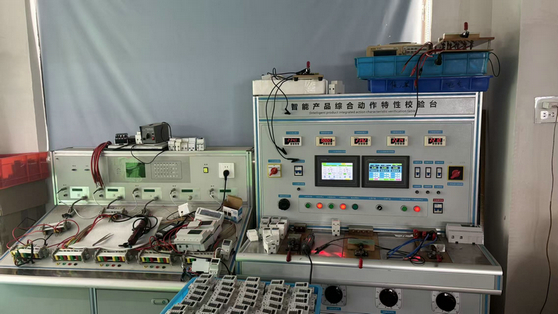
Favreau Electric operates automated Surface Mount Technology (SMT) lines, precision wave-soldering units, automatic terminal crimping systems, and computer-controlled trip calibration stations. Every DC Molded Case Circuit Breaker, AC MCB, Voltage Protector, and Power Meter undergoes 100% full-function electrical and dielectric testing prior to export dispatch.
 Automated Assembly Workshop
 100% Function & Dielectric Testing
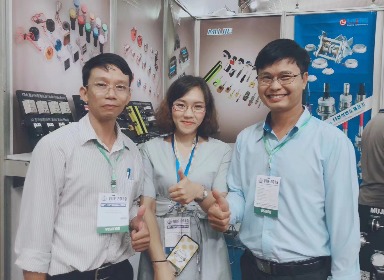 SGS Verified Production Premises
 CE / RoHS Quality Assurance
Frequently Asked Questions (FAQ) for Importers & Engineers
Clear, direct answers regarding technical parameters, export compliance, order terms, and factory capability.
Why is a CE Certified DC Molded Case Circuit Breaker required for solar PV installations?
CE certification confirms that a DC Molded Case Circuit Breaker (DC MCCB) strictly meets European safety and low-voltage electrical standard EN/IEC 60947-2. Solar PV arrays generate continuous direct current that does not contain natural zero-crossing points. AC breakers lack the specialized magnetic blowout mechanisms required to extinguish high-voltage DC arcs, creating extreme fire hazards. Using CE-certified DC MCCBs guarantees that the switchgear has passed rigorous thermal, short-circuit interruption, and dielectric strength tests.
What is the Minimum Order Quantity (MOQ) for OEM/ODM requests?
Yueqing Favreau Electric Co., Ltd. provides highly flexible procurement terms for international clients. Most standard circuit breakers, DC solar MCBs, surge protectors, voltage protectors, and smart energy meters carry a minimal starting MOQ of 10 pieces per model. Compact panel-mount indicators start at just 2 pieces, allowing engineering firms and importers to conduct low-risk sample evaluation before executing full container orders.
How does factory auditing by SGS Group protect international B2B buyers?
SGS is a globally recognized independent inspection agency. SGS on-site audit verification confirms that Favreau Electric’s production facility, physical equipment, manufacturing workflows, employee headcount, and registered export trade capacity exist as claimed. This eliminates trading company misrepresentation and provides international importers full transparency regarding factory authenticity, product testing rig integrity, and quality management standards.
What is the difference between a polarized DC MCCB and a non-polarized DC MCCB?
A polarized DC MCCB relies on fixed positive (+) and negative (-) terminal wiring to ensure internal magnetic arc blowout coils push the arc correctly into the arc chute. If wired in reverse, the arc is driven away from the chute, leading to breaker destruction during a fault. A non-polarized DC MCCB utilizes symmetric magnetic fields and dual-direction arc chutes, allowing power feed from either top or bottom regardless of current flow direction—making non-polarized breakers mandatory for bidirectional Battery Energy Storage Systems (BESS).
What payment and international delivery terms (Incoterms) are supported?
We support versatile financial and logistical options for global B2B customers. Accepted payment methods include Telegraphic Transfer (T/T), Letter of Credit (L/C at sight), D/P, D/A, Western Union, MoneyGram, PayPal, Credit Card, and Trade Escrow. Delivery options cover FOB (Free on Board), CFR, CIF, EXW (Ex Works), FCA, CPT, CIP, DDP (Delivered Duty Paid), DDU, and express air freight couriers.
Can Favreau adjust trip parameters and customize branding for localized electrical grids?
Yes. Our in-house engineering and R&D team provides comprehensive sample-based and parametric customization. We can adjust over-voltage/under-voltage trip limits, re-connect delay times, nominal current calibrations, laser-engraved brand logos, front panel layout artwork, localized user manuals, and customized bulk packaging according to regional utility specifications in Eastern Europe, the Middle East, Southeast Asia, South America, and Africa.
Request Engineering Datasheets & Wholesale OEM Quotations
Connect directly with Yueqing Favreau Electric's application engineers. Obtain complete product catalogs, certified IEC test reports, single-line diagram consultation, and factory-direct pricing for your next project.